

Portugal Private Luxury Travel: What You Should Know Before You Go





Known for its diverse beauty, food and wines as well as distinctive landscapes, it is little wonder Portugal is among the most popular tourist destinations in Europe
Magical Private Travel designs private Portugal journeys for American travelers who want a custom itinerary shaped around their interests, pace, hotels, guides, and access — not a generic route dressed up with nicer rooms.
A memorable Portugal trip depends on decisions most travelers cannot fully see online: which regions to include, what to leave out, where to slow down, which guides to trust, and when private access actually changes the experience. What follows is what we think every American traveler should consider before planning a serious private trip to Portugal.
Why Portugal is More Complex Than Most Travelers Expect
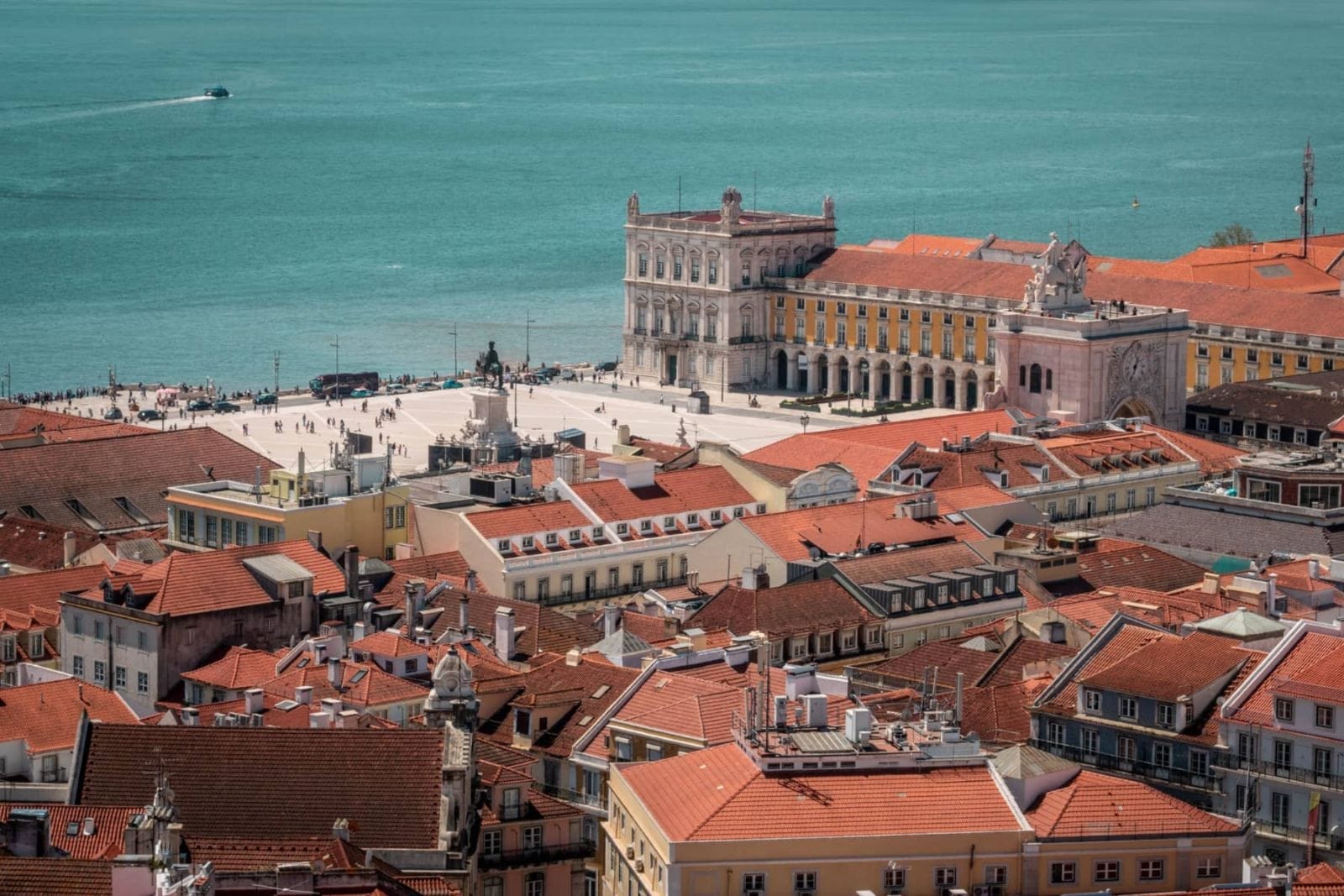
Lisbon serenades visitors with fado and historic yellow trams, neighborhoods of azulejo tiles and baroque facades where the afternoon light changes every hour, and tables that may not even appear on TripAdvisor. Porto, to the north, answers with cobblestones, port wine cellars along the river, and the Atlantic energy of a port city that predates the country it belongs to.
Beyond, Portugal surprises most first-time visitors: the medieval hill towns and cork forests of the rustic Alentejo; the pastel-colored palaces of Sintra and the coastal riviera of Cascais and Estoril; the vine-terraced hillsides of the Douro Valley; and in the far south, romantic sunsets from the reddish cliffs of the Algarve. Further out in the Atlantic, the Azores deliver nine volcanic islands where restaurants cook underground in geothermal heat; Madeira rises from the same ocean, with landscapes that exist almost nowhere else on earth.
Portugal does not reveal itself all at once. It rewards the traveler who arrives prepared to find more than they planned for.
The difference between a Portugal trip that passes through you and one that stays with you for decades is decided in the planning: which regions, what experiences, which guides, in what sequence, at what pace, and with what kind of access. Most of that is invisible online.
Magical Private Travel has been planning private Portugal journeys since 2002 from the Iberian Peninsula. We know which experiences deliver what they promise, and which guides, winemakers, chefs, and local figures will make you and your favorite people feel like esteemed guests rather than mass-market tourists.
What follows are the planning decisions American travelers should understand before building a private Portugal itinerary.

For First-Time Portugal Visitors: Where to Start
If you are planning Portugal for the first time, here is the practical sequence.
Decide how many nights you have. Fourteen is ideal and covers the country properly; ten is workable if you focus; seven is possible but requires choosing between the north and the south. Then decide what matters most: wine and food, history and architecture, coastal scenery, or a combination. Those two decisions — nights available and primary interests — shape everything else.
Most first-time visitors to Portugal choose between three broad structures. A Lisbon-centered trip with Sintra and the Alentejo as extensions works well for seven to ten days and delivers the cultural depth most Americans are looking for. A north-to-south arc from Porto through the Douro Valley to Lisbon and the Alentejo takes twelve to fourteen days and covers the full country in a logical geographic sequence. Adding Madeira, the Azores, or the Algarve requires at minimum two additional days per destination and rewards the traveler who builds in the time to slow down.
The planning essentials section below covers timing, length, and cost specifically. The regional sections walk through each area with the detail required to choose correctly. If you have a specific question, the FAQ section at the bottom of the page addresses the questions American travelers ask us most. Or skip directly to the contact form — a thirty-minute conversation with our team is still the most efficient way to answer the question that applies specifically to you.
Why Portugal Rewards Private Luxury Travel More than You Expect
Portugal resists the generic itinerary more effectively than most destinations its size. Unlike countries where the headline experiences are concentrated in one or two cities, Portugal distributes its most compelling moments across wildly different landscapes, cultures, and historical registers — many of which require genuine local knowledge to access at all. The Fado traditions of Lisbon’s Alfama neighborhood bear no resemblance to the wine terraces of the Douro Valley. The Roman temple in Évora belongs to the same country as the tea fields of São Miguel and the volcanic lava pools of Pico, yet each requires a different framing, a different guide, and a different pace to understand correctly.
The sequence matters. The pacing matters. And the guide matters enormously — not just for what they know, but for how they read your group on any given day. A private guide in Lisbon who can sense when the third museum is one too many, and who knows a tile workshop three streets away that changes the whole afternoon, is the difference between an itinerary executed and a trip felt.
American travelers also bring a specific set of constraints that most European-based agencies do not fully appreciate: shorter vacation windows, a preference for logistical confidence over improvisation, and the expectation that the trip will perform. We understand those constraints because we share them. And we have spent more than twenty years learning how to work within them on a specific peninsula, with specific people, in specific places.
A private luxury Portugal tour, planned correctly, is not a more expensive version of a group tour. It is a fundamentally different experience: a custom Portugal itinerary built around who you actually are, what you actually want, and how you want your days to feel.
What Most Americans Get Wrong About Planning Portugal
Most travelers do not struggle because Portugal lacks options. They struggle because it has too many good ones and some overtourism. The hard part is knowing what to leave out, what deserves private access, where two nights are enough, and where one more day changes the entire trip.
The mistakes we see most often:
- Trying to do too much: Lisbon, Porto, Sintra, the Douro Valley, Alentejo, Algarve, Madeira, and the Azores in one trip.
- Treating Sintra as a easy half-day add-on when crowd timing, pre-booked entrance tickets, palace selection, and routing can determine the entire experience.
- Visiting the Douro Valley as a day trip from Porto when an overnight stay on or near the river often delivers the more memorable version.
- Assuming the Algarve is the right choice year-round, when its appeal is strongly seasonal and outdoor-dependent.
- Choosing hotels by star rating instead of neighborhood, access, atmosphere, and itinerary flow.
- Underestimating how much restaurants, winery visits, private guides, and special-access experiences need to be booked and sequenced in advance.
- Treating Portugal as a checklist when its greatest luxury is often the relaxed meal, the unscheduled hour, the second glass, and the guide who knows when not to add another stop just for you.
This is where a private Portugal luxury tour becomes more than a convenience. It becomes protection against wasting the days you cannot get back.
Portugal at a Glance
The nine regions we most frequently build private luxury Portugal tours around. Use this as your starting map for a custom Portugal itinerary — then decide which regions belong in your trip, in what order, and at what pace. How many to include, with how many days in each, is one of the first and most consequential planning decisions. The answer is different for every traveler.
| Region | Known for | Strongest for | Typical days |
| Lisbon & Surroundings | Manueline architecture, Alfama Fado, azulejo tile art, Atlantic cuisine | First-time visitors, history, food culture | 3–5 |
| Porto & the North | UNESCO riverfront, port wine lodges, Braga & Aveiro day trips, Super Bock culture | City travelers, architecture, food | 3–4 |
| Douro Valley | UNESCO terraced vineyards, port wine quintas, N222 scenic road, harvest season | Wine travelers, scenic landscapes | 2–4 |
| Sintra & the Estoril Coast | Romantic-era palaces, UNESCO Cultural Landscape, Cascais, Guincho Atlantic coast | Couples, architecture, coastal scenery | 2–3 |
| Alentejo | Évora UNESCO, cork oak plains, megalithic monuments, wine & olive oil estates | Discovery travelers, wine, slow travel | 2–4 |
| Algarve | Atlantic cliffs, Ponta da Piedade, medieval Tavira, Sagres, Ria Formosa | Outdoor, coastal, Andalusia connection | 3–5 |
| Madeira | Levada walks, Belmond Reid's Palace, subtropical gardens, Coral beer, Madeira wine | Decompression, nature, Atlantic scenery | 2–4 |
| Minho & Green Portugal | Vinho Verde, Guimarães birthplace of Portugal, Lima valley, Peneda-Gerês National Park | Uncrowded history, green landscapes | 2–3 |
| Azores | Volcanic crater lakes, whale watching, Furnas geothermal cooking, Mount Pico | Nature, geology, Atlantic adventure, shorter US flight home | 3–5 |
The Regions
Lisbon and Surroundings
Portugal’s capital and the natural starting point for many private luxury Portugal tours. Manueline architecture, Alfama Fado, azulejo tile art — and a private morning in one of Lisbon’s food markets that clients consistently describe as the memory that stays.
Lisbon is best for first-time visitors, food-focused travelers, Jewish heritage, Fado, tile art, and an elegant start or finish to a custom Portugal itinerary. Plan three to five days if you want Lisbon plus Sintra, Cascais, or nearby cultural excursions without rushing.
Lisbon is built on seven hills above the Tagus River estuary, and the city’s relationship with the Atlantic is woven into everything — its architecture, its cuisine, its traditional music, and its particular brand of melancholy, which the Portuguese call saudade. The Jerónimos Monastery in Belém, a UNESCO World Heritage site completed in 1502, is one of the finest expressions of Manueline architecture in existence: a style unique to Portugal, named for King Manuel I, that fuses Gothic structure with maritime ornamentation — ropes, coral, armillary spheres, and the Cross of the Order of Christ carved into the stonework of a building that celebrates the Age of Discovery that Portugal launched. The Tower of Belém, also UNESCO-listed, stands at the point where the Tagus meets the ocean, at the departure point of Vasco da Gama’s 1497 fleet.
A short walk along the river, the MAAT museum brings a strikingly contemporary counterpoint to Belém's monuments — a curved, tile-clad structure housing rotating exhibitions on art, architecture, and technology, and one of the best places in Lisbon to watch the sunset over the Tagus.
The Alfama neighborhood, the oldest quarter of the city, survived the earthquake and tsunami of 1755 that destroyed much of Lisbon and rebuilt the rest. Its narrow streets contain the origin of Fado — the traditional Portuguese music form that some describe as a cousin to the American blues, often lamenting loss, the sea, and the particular Portuguese feeling of longing for what cannot return. The Museu Nacional do Azulejo holds one of the most complete collections of Portuguese tile art in the world, including a panoramic panel depicting Lisbon before the 1755 earthquake — one of the only visual records of the pre-earthquake city. The São Jorge Castle, a Moorish fortification substantially rebuilt after the earthquake, sits above the Alfama on the city’s highest hill, with views across the seven hills and the Tagus.
Beyond the city, the surrounding region adds substantial depth. Setúbal and the Arrábida Natural Park, thirty minutes south, contain some of the most dramatic coastal scenery in Portugal: limestone cliffs above crystalline water, a landscape with rich biodiversity that seems more like the Mediterranean Amalfi Coast than the Atlantic. For active fun don't miss the Chã dos Navegantes hiking path with the lighthouse and Cape Espichel.
Cape Espichel is also one of the best places in Europe to see dinosaur footprints — tracks pressed into the clifftop rock roughly 175 million years ago, still visible at low tide.
Coimbra, north by road, holds Portugal’s oldest university, founded in 1290 and still operating from its original medieval buildings above the Mondego River — the Joanine Library, built between 1717 and 1728, is one of the most decorated Baroque libraries in the world. Santarém, between Lisbon and Coimbra, is called the Gothic capital of Portugal for its concentration of Gothic churches, convents, and tombs built between the thirteenth and fifteenth centuries. Its Church of Santo Estêvão holds one of Portugal's most enduring religious legends — communion wafers said to have miraculously bled, still venerated by pilgrims today. Fátima, a significant pilgrimage destination since 1917, receives millions of visitors annually and is relevant context for any client wishing to understand Portugal’s Catholic identity.
The city rewards the traveler who knows which ten experiences are worth the time and which ninety are not, and our Lisbon travel guide covers how we build a Lisbon itinerary around food, Fado, and the markets the guidebooks miss.
Portugal's oldest university sits above the Mondego, and our Coimbra travel guide covers the city and how it works as a stop between Lisbon and the north.
MPT angle. A significant part of our Lisbon work is built around culture, food and local experiences. We arrange a private morning visit to one of Lisbon’s traditional neighborhood markets with a chef who knows every stall — not the tourist-facing Mercado da Ribeira, but the markets where Lisbon actually shops. After the market, the experience continues as a private show cooking session and cooking lesson, with wine, Portuguese cheese, and charcuterie served while the meal is being prepared. It is one of those mornings that becomes the memory clients lead with when they describe the trip. We also arrange private Fado performances in Lisbon for private groups of friends or family: an intimate performance with fine wines of Portugal, cheese, and charcuterie before dinner. This is not a tourist Fado show in a restaurant; it is a private performance arranged through relationships built over more than two decades. Lisbon offers a hundred experiences to the visitor who books online. The difficulty is knowing which ten are worth your time and which ninety will waste it.
Porto and the North
Portugal’s second city and its most distinct. A working Atlantic port with a UNESCO riverfront, historic port wine lodges across the Douro, and a food culture that our guide Carlos knows better than any published list.
Porto is best for travelers who want architecture, food, port wine, and a more textured urban experience than a polished capital stay. It pairs naturally with the Douro Valley, Braga, Guimarães, Aveiro, and Minho.
Porto sits at the mouth of the Douro River where it meets the Atlantic, and it has the character of a city that has been working for a living for a very long time. The Ribeira riverfront, a UNESCO World Heritage site, is lined with medieval buildings in states of preservation and gentle ruin that give Porto an authenticity that Lisbon’s more polished neighborhoods sometimes lack. The port wine lodges of Vila Nova de Gaia, directly across the river, are where the wines of the Douro Valley are aged and blended: Graham’s, Taylor’s founded in 1692, Sandeman founded in 1790, and family-run houses whose names are known primarily to specialists. The views of Porto from the lodges’ terraces are the kind that require a moment to register.

The Igreja de São Francisco, completed in the fourteenth century, is one of the most lavishly decorated Gothic churches in Iberia — its interior covered in approximately 200 kilograms of gold-leaf ornamentation applied during the eighteenth century. The Livraria Lello, a bookshop opened in 1906 with a neo-Gothic facade and an interior staircase among the most striking in Europe, is one of the most visited buildings in Porto — a working independent bookshop that has been selling books continuously for over a century.
Porto pairs naturally with day trips that expand the geography of the north. Braga, forty-five minutes by road, is one of the oldest episcopal cities in Iberia — its cathedral consecrated in 1089. The Bom Jesus do Monte sanctuary, with its Baroque staircase of 577 steps designed around allegorical fountains representing the five senses, is among the most unusual religious monuments in Portugal. Aveiro, to the south on the coast, is called the Venice of Portugal for its canals and traditional flat-bottomed boats — moliceiros — painted in vivid colors with folk imagery. It also produces some of Portugal’s finest salt, harvested from its lagoon in traditional flat-pan salinas still worked by hand.
Beer is taken seriously in Porto. Super Bock, produced at Leça do Balio near Matosinhos since 1927, is Portugal’s best-selling beer — a 5.3% pale lager embedded in the culture of Porto’s bars and street-level dining in the way that Sagres is embedded in the south.
Carlos knows where Porto actually eats, and our Porto travel guide goes deeper on the city, its port lodges, and the northern day trips that expand the geography.
The Venice of Portugal rewards a half-day, and our Aveiro travel guide covers the canals, the moliceiros, and how Aveiro fits a Porto-based itinerary.
MPT angle. Our guide Carlos has spent years cataloguing where Porto actually eats — the places that never appear on TripAdvisor, never make any list, and fill up nightly with the people who work in the restaurants that do appear in the guides. We build Porto itineraries around his knowledge rather than around the published canon. The quality gap between where the guides send tourists and where Carlos sends our clients is real, and our clients notice.
The Douro Valley
The oldest regulated wine region in the world and a UNESCO World Heritage Cultural Landscape. Terraced vineyards above the river, private quinta lunches with longstanding estate families, harvest season in September, and the option of sleeping on the estate or taking the river by private boat.
The Douro Valley is best for wine travelers, couples, scenery lovers, and anyone who wants a private Portugal tour to feel unrepeatable. Two nights are better than a day trip; three or four nights work for serious wine clients.
The Douro Valley runs east from Porto into the interior of northern Portugal, and the landscape changes almost immediately: the flat Atlantic city gives way to terraced hillsides of vines cut into schist above a river that winds between mountains. The Douro is the oldest regulated wine region in the world, demarcated in 1756 by royal decree under the Marquis of Pombal — decades before most of Bordeaux was classified. It is also a UNESCO World Heritage Cultural Landscape, recognized not for a single monument but for a working viticultural landscape with centuries of evidence of human shaping of the terrain.

The grape varietals grown here — Touriga Nacional, Touriga França, Tinta Roriz, Sousão, Tinto Cão, Tinta Barroca — are largely unknown outside Iberia and produce wines, both fortified port and increasingly powerful dry table wines, that belong in any serious conversation about the world’s great wine regions. The quintas are scattered along both banks of the river, some owned by port houses for a century or more, some operated by families for whom this is a way of life rather than a commercial exercise.
The N222, the road that follows the river from Peso da Régua east into the Douro Superior, has been named by European motoring surveys as one of the most scenic driving routes on the continent. It rewards the right vehicle, the right driver, and the right pace.
Harvest season runs through September into early October. The traditional vindima, with families hand-picking grapes from the terraced vineyards and the riverside estates operating at full intensity, is one of the most compelling periods in any wine region in the world. It is also a period of significant demand and strictly limited availability. Planning well ahead for harvest season is not a recommendation — it is a requirement.
Choosing the right three quintas, in the right sequence, on the right days is the whole game, and our Douro Valley travel guide covers harvest timing, the three sub-regions, and how many nights the valley actually deserves.
MPT angle. Among our established relationships in the Douro: the Coelho family at Quinta de Tourais, the Roquette family at Quinta do Crasto, and the team at Quinta Nova. Each offers a different experience of the valley — different grape focus, different estate character, different hospitality register. What they share is access that goes beyond the visitor center: private quinta lunches overlooking the terraced vineyards, participation in the vindima during harvest season, and the possibility of sleeping on the estate rather than traveling back to the city — by prior arrangement and subject to availability. For groups celebrating a special occasion, we can also arrange a traditional Port wine ceremony at select quintas — the vintage bottle opened with a naked flame and practiced hand, a centuries-old ritual most visitors never see. At a handful of quintas, by prior request, guests can also watch Lusitano horses — Portugal's native breed, prized for centuries by European royalty — worked in the vineyard fields. For clients who want the Douro from the river rather than the road, we arrange private boat experiences: a traditional rabelo boat or a modern yacht, depending on the group and the rhythm of the trip. The Douro has more quintas than any visitor can see in a single trip. Choosing the right three, in the right sequence, on the right days, is a planning decision that only someone who knows the families and the valley can make well.
Sintra and the Estoril Coast
The UNESCO Cultural Landscape of Sintra and its extraordinary concentration of Romantic-era palaces. Private visits to three palace properties, including the Palace of Monserrate after hours. The Estoril Coast from Cascais to Guincho completes the picture.
Sintra is best for couples, palace lovers, photographers, garden travelers, and first-time Portugal visitors. It should be planned carefully around timing, crowd flow, palace choice, and whether the Estoril Coast belongs in the same day or as a slower extension.
Sintra sits in the foothills of the Serra de Sintra mountains, thirty minutes west of Lisbon, and the combination of altitude, ocean moisture, and royal patronage produced a concentration of Romantic-era palace architecture unlike anything else in Iberia. The Palácio Nacional da Pena, built in the 1840s for King Ferdinand II on the ruins of a sixteenth-century Hieronymite monastery, is a vision of towers, battlements, and vivid polychrome tiling fused from Gothic, Moorish, Manueline, and Renaissance elements. The Quinta da Regaleira, completed in 1910, is an estate of Gothic Revival architecture, formal gardens, and a network of wells and underground tunnels charged with Masonic and Templar symbolism. The Palace of Monserrate, built in the 1860s for a wealthy English merchant family, brings Moorish arches and Indian-influenced carved stonework to a subtropical garden of thousands of plant species from five continents.

The whole of Sintra’s cultural landscape carries UNESCO World Heritage status, covering the Serra de Sintra’s palaces, parks, and gardens as a unified cultural landscape. It is also heavily visited in summer, and the difference between a private visit with a guide and general admission on an August afternoon is the difference between understanding what you are looking at and being carried through it by a crowd.
West of Sintra, the Estoril Coast runs along the Atlantic with Cascais as its anchor — a former fishing village turned royal retreat, with good seafood restaurants, a working harbor, and a coastal character that has attracted successive generations of European aristocracy and discreet visitors. The Hotel Fortaleza do Guincho sits on the Atlantic rocks at the edge of the Sintra-Cascais Natural Park, on a stretch of coast that faces the full force of the open ocean.
Our guide Felipa works across both Lisbon and Porto and has spent years studying Portugal’s azulejo tile tradition — the painted ceramic tile panels that appear throughout the palaces of Sintra, the church interiors of Lisbon, the railway stations of Porto, and the private houses of every Portuguese city from the fifteenth century onward. She reads the tiles as an art historian and as someone who has spent time in the studios where traditional azulejo is still made by hand using sixteenth-century techniques. The difference between seeing tiles and understanding them is the difference Felipa makes.
The difference is the right palace on the right morning, and our Sintra travel guide lays out which palace to prioritize, in what sequence, and how the coast fits into the day.
MPT angle. We arrange private visits to three of Sintra’s palace properties: the National Palace of Pena, the Palace of Monserrate after hours, and the National Palace of Queluz, a Baroque royal palace in the valley below Sintra that served as the preferred summer residence of Portuguese royalty in the eighteenth century. After-hours access to Monserrate in particular, with the subtropical gardens quiet and the light shifting, changes the site entirely. These visits are arranged through relationships built over more than twenty years, not through standard ticketing channels.
The Alentejo
The most overlooked region in Portugal. Évora’s Roman temple and UNESCO old city, cork oak forests, megalithic monuments older than Stonehenge, black pig charcuterie, and the wine and olive oil estates that our guide Diogo knows better than anyone else we work with.
The Alentejo is best for travelers who want slow luxury, wine, olive oil, cork forests, archaeology, and the feeling of discovering a Portugal most visitors miss. It deserves at least two nights and rewards three or four.
The Alentejo covers roughly a third of Portugal’s land area and receives a fraction of its visitors. It is the country’s interior — a rolling landscape of cork oak, olive groves, golden wheat fields, and whitewashed villages that move at a pace the coastal Portugal that most Americans see does not. Évora, the region’s capital, is a UNESCO World Heritage city of layered civilization: a Roman temple from the first century AD stands intact in the old town center, the cathedral consecrated in 1204 is one of the finest examples of Portuguese Gothic architecture, and the medieval walls encircle a walkable urban core occupied continuously for more than two thousand years.

North of Évora, the walled hill town of Castelo de Vide holds one of Portugal's best-preserved Jewish quarters — narrow medieval streets, a fourteenth-century synagogue, and doorframes still bearing the faint outline of mezuzahs removed under the Inquisition.
The Alentejo’s megalithic heritage is among the densest in Europe. The Anta Grande do Zambujeiro, one of the largest dolmens in the Iberian Peninsula with standing stones reaching six to seven meters high, sits outside Évora in a landscape of cork oak and wild rosemary. The Cromeleque dos Almendres, a megalithic stone circle containing ninety-five menhirs, has its earliest phases dating to the late sixth millennium BC — predating Stonehenge by roughly two thousand years. It is among the most significant prehistoric stone circles in Iberia, associated with early Neolithic ritual, astronomy, and farming communities, and it is largely unknown to American travelers.
The cork oak forest defines the visual character of the Alentejo and underpins a traditional economy practiced here for centuries. Portugal produces roughly half the world’s cork, and the Alentejo produces the majority of Portugal’s share. The harvest — stripping bark from the trees in a skilled operation that does not harm the tree and allows it to be harvested again on a nine-year cycle — is one of the most quietly remarkable traditional practices still operating in Europe.
The Alentejo produces serious wine. Herdade do Esporão and Cartuxa are among the region’s most recognized estates. The olive oil from this landscape is exceptional. And the traditional cheeses and charcuterie — including the products of Portugal’s semi-wild black pigs, raised in the cork oak forests in a tradition with close parallels to Spain’s Iberian pig — are among the most distinctive food traditions in Portugal.
For the right traveler, an Alentejo itinerary built around Diogo is the most rewarding single-region trip we plan in Portugal, and our Alentejo travel guide covers Évora, the wine estates, and the cork forests in full.
MPT angle. Our guide Diogo has spent years inside the Alentejo’s wine, olive oil, and cork estates across the seasons, in a way that gives him an understanding of the region’s agricultural identity that goes well beyond the vineyard tour. He knows which estates combine quality production with genuine hospitality, and he knows where the artisan cheesemakers are. Among them: Queijaria Charrua in Castro Verde, in the Beja region — a three-generation family operation founded by José António Charrua and now run by his sons Joaquim and Rafael. Their cheeses and black pig charcuterie represent the Alentejo’s food culture at its most specific and least available to travelers booking through standard channels. Diogo also arranges private visits to the cork forests, where the harvest cycle and the landscape’s ecology can be understood as a living system rather than a scenic backdrop. For the right client, an Alentejo itinerary built around Diogo is the most rewarding single-region trip we plan in Portugal.
The Algarve
Portugal’s southern coast is not one destination. The western Atlantic cliffs and Sagres are one argument; the medieval walled city of Tavira and the Ria Formosa are another. Tavira connects naturally with Andalusia for clients doing both countries.
The Algarve is best from April through October, especially May, June, September, and October. It works beautifully for coastal scenery, outdoor travel, and Spain-and-Portugal itineraries, but it is not the best winter choice for most luxury travelers.
The Algarve runs across Portugal’s southern tip between the Atlantic and the Spanish border, and the common perception — warm beaches, resort infrastructure, package tourism — describes one part of it accurately and misses the rest entirely. The region divides naturally into the western Algarve, centered on Lagos and the cliffs around Ponta da Piedade, and the eastern Algarve, centered on Tavira.

Ponta da Piedade, the series of sea stacks, arches, and grottos in the ochre limestone cliffs west of Lagos, is among the most photographed coastal formations in Portugal. The light in late afternoon, from the western approach, is exceptional. Sagres, at the southwestern tip of continental Europe, is where Prince Henry the Navigator established his school of navigation in the fifteenth century — the intellectual infrastructure that made the Age of Discovery possible. The Cabo de São Vicente lighthouse marks the most southwesterly point of continental Europe, a headland where the Atlantic arrives fully formed without interruption from any landmass to the west.
Tavira, in the eastern Algarve, is a different city and a different argument. A medieval walled town on the Gilão River with a Roman bridge, Moorish castle ruins, and historic churches from the sixteenth through eighteenth centuries, Tavira maintained its character through the decades of Algarve development largely because its shallow coastline was not suited to the marina and resort infrastructure built further west. It is, for this reason, one of the most intact historic towns in southern Portugal — and one that connects naturally with Andalusia.
The Ria Formosa Natural Park, a coastal lagoon system of barrier islands and tidal channels stretching east from Faro, is one of the most important wetland habitats in Europe and one of the seven natural wonders of Portugal as named in a national survey.
A candid note on timing: the Algarve rewards travel in April through late October, when the weather is warm and the outdoor character of the region can be fully used. We do not recommend the Algarve in winter. Atlantic storms blow in between November and March with regularity; coastal restaurants and businesses operate at reduced hours or close; and the region’s primary appeal is difficult to access in the conditions. May, June, September, and October are the best months within the April-to-October window: warm, less crowded than high summer, and with the full Algarve infrastructure operating.
The eastern Algarve and the western cliffs are two different destinations, and our Algarve travel guide covers when to go, which coast suits which traveler, and how Tavira connects into Andalusia.
MPT angle. For clients building a combined Portugal-and-Andalusia itinerary, the route from Tavira across the Guadiana River border and into Andalusia — east to Huelva province, north to Seville — is the most natural and most interesting crossing we plan. It gives the Algarve a purpose beyond coastal access: it becomes a hinge between two countries, with Tavira offering genuine historic depth before the border and Seville offering the full force of Andalusia on the other side. We have been planning this arc for more than twenty years.
Madeira
A subtropical Atlantic island unlike anything on the mainland. Levada walks through ancient laurel forest, the Belmond Reid’s Palace, Madeira wine, and Coral beer. Often two to three days at the end of a mainland itinerary — or a standalone trip for the right traveler.
Madeira is best as a decompression ending to a private luxury Portugal tour or as a standalone nature-and-wine trip. Two to three nights can work well after Lisbon, Sintra, and the Douro; longer makes sense for serious walkers.
Madeira sits in the Atlantic 520 kilometers off the Moroccan coast — closer to Africa than to Lisbon — and its subtropical climate, volcanic geology, and centuries of Atlantic isolation have produced a culture and a landscape that feel genuinely distinct from mainland Portugal. The island has been receiving visitors since the early nineteenth century. The Belmond Reid’s Palace, opened in 1891, is one of the great Atlantic hotel properties; Churchill stayed here during the Second World War, and the guest list over more than a century reads as a history of the discreet wealthy traveling with purpose.

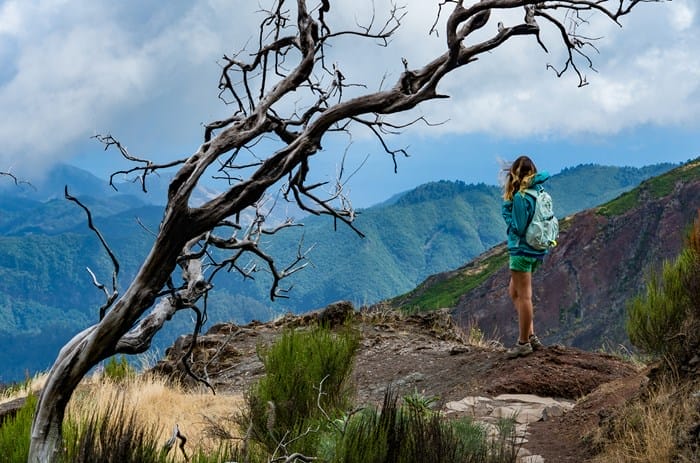
The levadas are Madeira’s defining landscape feature: a network of irrigation channels built from the fifteenth century onward to carry water from the wet northern highlands to the dry southern agricultural zones, converted over time into a footpath network running more than 2,000 kilometers across the island, often at altitude, through laurisilva forest — the ancient laurel forest ecosystem found virtually nowhere else in the world, a UNESCO World Heritage site since 1999. Walking the levadas with a guide is a genuinely unusual experience: the paths are narrow, the views over the Atlantic are extraordinary, and the forest has a primordial character that has nothing to do with the mainland Portugal of Lisbon and the Douro.
Madeira wine is a fortified wine with a production history stretching back to the fifteenth century, made from grape varieties unique to the island — Sercial, Verdelho, Boal, Malmsey — and given its distinctive character by a deliberate oxidation process, the estufagem, that made it stable enough to survive long sea voyages. Old Madeira is among the most age-worthy wine produced anywhere in the world; bottles from the nineteenth century are still being opened and found in remarkable condition.
Coral beer, produced in Funchal by the Empresa de Cervejas da Madeira since 1934, is the beer of the island — a crisp lager and a stout, both produced in small quantity and rarely encountered on the Portuguese mainland.
We design Madeira efficiently, the levada walk that earns the afternoon and the wine tasting that connects history to the glass, and our Madeira travel guide covers how the island fits a mainland itinerary or stands on its own.
MPT angle. We recommend Madeira as either a natural ending to a mainland Portugal itinerary — two to three days of subtropical decompression after the cultural intensity of Lisbon, Sintra, and the Douro — or, for clients with specific interests in walking, wine, and a historically layered Atlantic island, as a standalone trip. Because American travelers typically have less vacation time than their European counterparts, we design Madeira efficiently: the levada walk that earns the afternoon, the Madeira wine tasting that connects history to the glass, the lunch above the Atlantic. The experiences that justify the flight, without the filler that is easy to add and easy to regret.
Minho and Green Portugal
The greenest, wettest, most Celtic corner of Portugal. Vinho Verde country, Guimarães as the birthplace of a nation, and landscapes that most American travelers never reach.
Minho is best for returning Portugal travelers, three-week itineraries, and clients who want green landscapes, origin-of-Portugal history, Vinho Verde, and a less expected northern extension from Porto.
The Minho, in Portugal’s far northwest, is called Green Portugal for reasons that are immediately apparent: this is the part of the Iberian Peninsula where the Atlantic pushes in most fully, where the rainfall is measured in meters rather than centimeters, and where the landscape carries a deep, saturated green that has nothing in common with the dry, golden interior. The Lima and Minho rivers cross the region, the Peneda-Gerês National Park occupies the northeastern corner — Portugal’s only national park, a granite and oak wilderness with wolves, wild horses, and megalithic remains — and the spa towns of the Lima valley have been receiving visitors since Roman times.
Guimarães, at the southern edge of the Minho, is where Portugal began. The country’s first king, Afonso Henriques, was born here in approximately 1110 and declared Portugal’s independence from the Kingdom of León in 1139. The medieval old town, a UNESCO World Heritage site, is compact, well-preserved, and largely intact from the fifteenth century. The castle where Afonso Henriques was reportedly born still stands above the old city. Guimarães is forty-five minutes from Porto, and the combination of the two cities — Porto’s working Atlantic character and Guimarães’s origin-of-a-nation gravity — is among the most satisfying day pairings we plan in northern Portugal.
Vinho Verde, the young white wine made from Alvarinho, Loureiro, and Arinto grapes in the Lima and Minho river valleys, is one of the most misunderstood wines sold internationally. The generic Vinho Verde available in American supermarkets bears little relationship to the estate wines from Monção and Melgaço, or the Soalheiro and Palácio da Brejoeira wines that represent the region at its best — wines with genuine complexity, minerality, and aging potential that belong in any serious conversation about Portuguese white wine.
The Minho is the part of the country that makes a three-week Portugal trip coherent, and our Braga, Guimarães, and Minho travel guide covers Vinho Verde country, the birthplace of the nation, and the green north most travelers never reach.
MPT angle. The Minho is where we send clients who have done Portugal once and want the part that does not appear in the standard itinerary. It pairs most naturally with Porto as a northern extension — two to three days into Guimarães, the Lima valley, and the Peneda-Gerês National Park — and it gives the trip a register of Green Portugal that nothing on the coast or in the Alentejo can replicate. For clients with three weeks in Portugal, the Minho is not optional. It is the part of the country that makes the whole itinerary coherent.
The Azores Islands
Nine volcanic islands in the middle of the North Atlantic. São Miguel’s crater lakes and geothermal cooking, Pico’s UNESCO vineyards and Portugal’s highest peak, whale watching from Faial, and a direct flight home to the eastern United States that is shorter than the route back through Lisbon.
The Azores are best for nature, geology, whale watching, volcanic landscapes, and travelers who want their custom Portugal itinerary to end with a true Atlantic finale. São Miguel is the most practical first choice; Pico, Faial, and Terceira add depth for longer trips.
The Azores lie 1,500 kilometers west of Lisbon in the middle of the North Atlantic, closer to Newfoundland than to mainland Portugal, and they belong to Europe technically and to themselves in every other sense. Nine volcanic islands in a setting where the North American, Eurasian, and African tectonic plates converge — an environment that has produced some of the most geologically active and visually dramatic landscapes in the Atlantic world.

São Miguel, the largest island and the gateway to the archipelago, contains most of what makes the Azores exceptional. The Sete Cidades twin crater lakes — one green, one blue — sit in a dormant caldera on the western end of the island, visible from the Grota do Inferno viewpoint in a landscape that reads as impossible until it is directly in front of you. Lagoa do Fogo, the Lake of Fire, is a massive crater lake in the island’s central volcanic complex, accessible by trail through volcanic scrub and cloud forest. The Gorreana and Porto Formoso tea estates on São Miguel’s northern coast are Europe’s oldest continuously operating tea plantations, with original processing machinery still in use — a working piece of nineteenth-century agricultural history that has no equivalent anywhere else on the continent. The natural lava pools at Mosteiros and Caloura offer swimming in Atlantic saltwater contained by volcanic rock formations.
The Furnas Valley, an active geothermal area in São Miguel’s eastern interior, is where restaurants have been burying pots since the nineteenth century. The Cozido das Furnas — a stew of meats, sausages, and vegetables cooked underground in volcanic heat for six to eight hours — is available in a handful of restaurants in the village and represents one of the most genuinely unusual dining experiences available anywhere in Europe. The Terra Nostra Garden in Furnas, with its thermal pool of iron-rich orange water, and the Dona Beija thermal spa nearby, both sit within the active geothermal zone.
The Azores are among the best whale-watching destinations in the world. The waters between the islands lie beneath major cetacean migration routes. Sperm whales, fin whales, blue whales, common dolphins, and bottlenose dolphins are all present across the season. Operations run from Ponta Delgada on São Miguel and from Horta on Faial, both using traditional vigias — lookout posts on the hillsides above the water — to locate whales before sending boats out, a practice that dates to the islands’ whaling history.
Pico Island, visible from Faial across a narrow channel, rises to 2,351 meters at Mount Pico — Portugal’s highest peak, an active stratovolcano whose summit can be reached on a guided ascent in five to seven hours. Below the mountain, the black basalt lava fields have been cultivated for viticulture since the fifteenth century: low stone walls built by hand to protect individual vines from Atlantic winds, a UNESCO World Heritage Cultural Landscape recognized in 2004.
Faial’s Capelinhos volcano, on the island’s western coast, erupted beginning September 27, 1957, in a continuous event lasting approximately thirteen months that added dramatic new volcanic land to the island, buried the existing lighthouse in ash, and displaced hundreds of families. The lunar landscape that remains is one of the Azores’ most powerful natural sites. The underground interpretation center, built beneath the historic lighthouse, is one of the most thoughtfully designed geological museums in Portugal.
On Terceira, the Algar do Carvão is a rare volcanic chimney that visitors descend into, with dramatic rock walls, mineral formations, and sometimes an underground lagoon. Access should be reconfirmed before travel. Terceira’s UNESCO World Heritage old city of Angra do Heroísmo — a well-preserved Renaissance-era town that served as the gateway between Europe and the Americas — is fully accessible and the primary reason to visit the island.
The Azores also carry a practical argument for American travelers: the islands’ position in the mid-Atlantic means that direct flights to the eastern United States can be shorter than the return leg through Lisbon. For clients ending a Portugal itinerary in the Azores, the flight home can be direct and efficient. A detour that doubles as a shorter exit.
Nine volcanic islands with a shorter flight home to the eastern US, and our Azores travel guide covers São Miguel, Pico, and how to end a Portugal itinerary with a true Atlantic finale.
Planning Essentials for Americans
The nine regions above represent nine different Portugals. The planning questions that follow — when to go, how long to spend, how to move around, what it costs, and how to pace the trip — are where those nine regions become one private luxury Portugal tour. The answers depend entirely on who is traveling, what they want, and decisions they may not yet know they need to make.
When is the best time to visit Portugal?
Portugal varies by region. Late April through June and September through October are the strongest windows across most of the country, but the answer changes significantly depending on where you are going and what you want to do.
For most private luxury Portugal tours, the best overall windows are late April through June and September through October. Wine travelers should consider September in the Douro; Algarve travelers should prioritize May, June, September, or October.
Portugal rewards private travel year-round, and the honest answer to the timing question depends on which Portugal you are visiting.
For Lisbon, Sintra, and central Portugal — including Coimbra and the day-trip circuit around the capital — cultural tourism is viable in any month. The monasteries, palaces, historic old towns, and museums are open year-round. If outdoor activities matter — the Arrábida coastal walks, the gardens of Sintra, the Alentejo’s cork forest trails — spring and autumn are the preferred windows. The Alentejo can reach 40°C in August, which does not prevent travel but significantly limits what is comfortable outdoors. We suggest March through June and September through November for the Alentejo.
For northern Portugal and the Douro Valley, September is the standout window for wine travelers. The vindima — the harvest — runs through most of September and into early October, and traveling in the Douro during this period gives access to experiences that no other season provides. For travelers not focused on wine, September is also the busiest and most expensive period in the Douro. We would instead suggest April, May, and June as the first preference, and October and November as the second. Porto itself is viable year-round; winter brings more rain and cloud cover but does not prevent a genuine city experience.
For the Algarve, the window we recommend is April through late October. The Algarve in winter — November through March — is cooler than most clients expect, Atlantic storms blow in with regularity, and the outdoor character of the region is difficult to use fully. May, June, September, and October are the best months within the April-to-October window.
For Madeira, the subtropical climate is mild year-round. The Madeira Flower Festival in April is a reason to time a visit; the levada walks are most comfortable between October and June when the heat at lower elevations is not a factor.
For the Azores, the peak whale-watching season runs from April through October. May and June are among the most reliable months for sperm whale sightings. The islands are accessible year-round but winter weather can be changeable.
One final note on infrastructure: Portugal’s better hotels and restaurants are equipped with modern air-conditioning and heating. Climate is a consideration for how you want to spend time outdoors; it does not affect the quality of the accommodation or dining experience. Portugal in August is not Spain in August — Lisbon rarely exceeds 32°C, and the Atlantic breeze is a real and reliable feature of the coast.
How many days should we spend in Portugal?
Seven days is the minimum for a meaningful trip. Ten to twelve is our recommended sweet spot for a first-time visit. Three weeks unlocks a fuller version of the country.
For most Americans planning a private luxury Portugal tour, ten to twelve days is the best first-trip length. Seven days can work, but it forces tradeoffs. Three weeks opens the Minho, Madeira, Azores, deeper Alentejo, and a more relaxed rhythm.
For a city break focused on Lisbon or Porto alone, three to five days is adequate — enough to understand the city at a surface level, eat well, and feel that you have arrived. It is not enough to feel that you have understood.
Seven days is the minimum for a meaningful trip covering Portugal’s highlights, and it is a minimum only. Seven days covering Lisbon, Sintra, the Douro Valley, and Porto leaves no room for the pace that makes any of those places deliver what they actually offer. You can do it, and clients do, but every day will be fully scheduled and there will be nothing left over for the spontaneous afternoon that often becomes the memory.
Ten to twelve days is our recommended sweet spot for a first-time visit. That length covers Lisbon and the Sintra coast, the Alentejo, the Douro Valley, and Porto with enough breathing room to spend two nights in each region and not feel rushed. It gives you four different registers of Portugal — the capital, the slow interior, the wine valley, the Atlantic port city — in a sequence that makes sense geographically and experientially.
Three weeks opens the Azores, Madeira, the Minho, and deeper Alentejo as genuine additions, and at that length the trip begins to feel like a lived experience rather than an itinerary executed. We have planned three-week Portugal trips for clients who have the time and want that rhythm — a genuine mixture of cultural depth and relaxation in a country that rewards the traveler who slows down.
Our consistent recommendation is against cramming. Portugal moves at a pace that is one of its primary appeals for American travelers, and the difference between three nights in the Alentejo and one night in the Alentejo is larger than any equivalent swap in a faster-moving destination. You will be traveling with your private driver-guide in a comfortable, top-of-the-range vehicle, which eliminates the logistics fatigue that plagues self-drive trips — but even the best vehicle and guide cannot manufacture the time that compression removes.
Best Portugal itinerary routes for private luxury tours
The best Portugal itinerary depends on how many days you have, where you fly, and whether your trip is focused on culture, wine, coast, islands, or a Spain-and-Portugal combination.
A strong first Portugal itinerary usually connects Lisbon, Sintra, the Douro Valley, and Porto. With ten to twelve days, add the Alentejo. With two weeks or more, consider Madeira, the Azores, Minho, Algarve, or Andalusia.
These sample Portugal journeys are not fixed packages. They are starting points for a custom Portugal itinerary, shaped around your dates, travel style, pace, hotels, guides, and access.
Seven days — Portugal essentials: Lisbon, Sintra, Porto, and the Douro Valley. Best for travelers with limited time who want a private guide, strong hotel choices, and a carefully managed pace.
Ten to twelve days — classic private luxury Portugal tour: Lisbon, Sintra and the Estoril Coast, the Alentejo, the Douro Valley, and Porto. This is the strongest first-trip structure for most Americans.
Fourteen days — wine, coast, and slow Portugal: Lisbon, Alentejo, Algarve, Douro Valley, and Porto. Best for clients who want more decompression and a stronger contrast between interior, river, and coast.
Fourteen to sixteen days — mainland Portugal plus Madeira: Lisbon, Sintra, Alentejo or Douro, Porto, then Madeira. Best for travelers who want a subtropical Atlantic ending without turning the entire trip into an island itinerary.
Three weeks — deep Portugal: Porto, Minho, Douro Valley, Lisbon, Sintra, Alentejo, Algarve, and either Madeira or the Azores. Best for clients who want Portugal to feel lived rather than sampled.
Portugal and Spain: Porto, Douro, Lisbon, Alentejo, eastern Algarve, Seville, Córdoba, Granada, and departure from Málaga or Madrid. Best for travelers who want an Iberian arc with no unnecessary backtracking.
Private driver vs. train vs. self-drive in Portugal
Trains work well between Lisbon and Porto. They do not solve the deeper itinerary problem: wineries, hill towns, luggage, timing, restaurant access, and knowing what is worth stopping for.
For a simple Lisbon-to-Porto city trip, the train can work. For a private luxury Portugal tour involving Sintra, Alentejo, the Douro, wine estates, villages, coastal detours, or older travelers who value ease, a private driver-guide usually creates the best experience.
Portugal’s rail network works well for certain city-to-city movements, especially Lisbon to Porto. For travelers planning an independent city break, it can be practical and efficient. But the train is not designed around what makes Portugal memorable: the hill town between two overnight stops, the estate lunch outside the city, the winery that sits far from the station, the guide who knows when the weather makes one route better than another, the restaurant that requires careful timing, and the ability to adjust when the day asks to slow down.
Self-driving can work for confident travelers who enjoy European roads, parking puzzles, narrow historic centers, and navigation. It can also quietly drain the energy from a trip. In Lisbon, Porto, Sintra, Évora, and many old towns, the problem is not the highway. The problem is arrival: luggage, parking, hills, one-way streets, cobblestones, hotel access, and the stress of being responsible for every micro-decision.
A private driver-guide changes the experience. The vehicle becomes part of the comfort system, not simply transportation. Luggage disappears. Arrival becomes easy. Detours become possible. Lunches can be timed correctly. Wine tastings can be enjoyed fully. Older travelers, multigenerational families, and couples who want the trip to feel seamless usually experience the value immediately.
This is not about making Portugal feel less authentic. It is about removing the friction that prevents travelers from noticing what they came to see.
Portugal food and wine by region
Portugal’s food and wine culture changes sharply by region: Lisbon markets, Porto tascas, Douro quintas, Alentejo olive oil and black pig, Algarve seafood, Madeira wine, and Azorean geothermal cooking.
For food and wine travelers, Portugal is not one cuisine. The best custom Portugal itinerary connects the right food traditions to the right regions rather than treating dining as an afterthought.
Lisbon: Traditional markets, Atlantic seafood, pastéis de nata, modern Portuguese cuisine, private cooking with a chef, and intimate Fado with wine, cheese, and charcuterie.
Porto: Tascas, working-class food culture, port lodges in Vila Nova de Gaia, Matosinhos seafood, and the restaurants that local insiders know but guidebooks often miss.
Douro Valley: Port wine, increasingly serious dry reds, private quinta lunches, harvest experiences, river views, and estate hospitality that becomes one of the emotional centers of a wine-focused trip.
Alentejo: Olive oil, black pig charcuterie, sheep’s milk cheeses, rustic breads, cork-forest estates, Herdade do Esporão, Cartuxa, and long lunches that teach the region better than another monument could.
Algarve: Cataplana, grilled fish, shellfish, coastal dining, Tavira’s quieter food culture, and seafood experiences that work best in the warmer travel window.
Madeira: Madeira wine, Atlantic fish, espetada, bolo do caco, subtropical fruit, and lunches that can be built around a levada walk or a viewpoint above the ocean.
Azores: Cozido das Furnas cooked underground in geothermal heat, São Miguel tea estates, island cheeses, seafood, and volcanic landscapes that turn meals into place-based memories.
Food is one of the easiest areas to get wrong when planning from online lists. The most memorable meals are not always the most famous; they are the ones that match the day, the route, the season, and the people traveling.
Portugal pacing guide
Portugal rewards travelers who leave room for the long lunch, the late light, the second glass, and the guide who knows when not to add one more stop.
The best private luxury Portugal tours are not the fullest ones. They are the ones that protect energy, sequence experiences intelligently, and leave space for the moments clients remember.
A luxury Portugal tour should not feel like a checklist executed with nicer hotels. Portugal’s strongest experiences often unfold slowly: the market conversation that runs long because the chef knows the fishmonger, the Douro lunch that should not be followed by a rushed transfer, the Sintra garden that needs the right light, the Alentejo estate visit that becomes personal because no one is watching the clock.
The practical rule is simple: do not spend every day moving hotels, do not make every lunch a reservation with a deadline on both sides, and do not treat every famous site as equally deserving of your time. The better question is not “Can this fit?” It is “Will this make the day better?”
For American travelers with limited vacation time, this can feel counterintuitive. The instinct is to maximize. The wiser luxury instinct is to edit. A custom Portugal itinerary should include enough structure to remove stress and enough space to let the trip breathe.
That balance — the right guide, the right start time, the right route, the right lunch, the right afternoon left open — is one of the quiet advantages of professional planning.
How much does a private luxury Portugal tour cost?
From $899 per person per day with vetted guides, private touring, tailor-made itinerary, and select well-located hotels.
Private Portugal journeys with Magical Private Travel begin from $899 per person per day. Final pricing depends on hotel category, season, special access, trip length, and how many private experiences are included.
That is the entry point for a private Portugal journey with Magical Private Travel. From there, pricing scales based on three variables, which we discuss openly with every client in the initial conversation.
Hotel category. Our clients typically choose between excellent four-star properties and small luxury hotels at the entry level, and Relais & Châteaux properties, historic pousadas, and top five-star urban hotels at the upper end. The price step between them is significant and reflects a real difference in experience — not only in the quality of the bed, but in the character of where you sleep and what it contributes to the trip.
Season. April through September / early October carry peak pricing across Portugal. January, February, and March offer genuine value for clients with flexibility; the Alentejo, Porto, Lisbon and Madeira are particularly well-suited to the quieter season.
Access. Private quinta winery lunches and estate overnights in the Douro, after-hours palace visits in Sintra, private Fado performances in Lisbon and Porto, private boat experiences on the river, private cooking sessions and food market visits with a chef, and visits to artisan cheesemakers and cork forests in the Alentejo all add incrementally. Most of our clients include some of this selectively; the decision is always about where the time and the investment are most justified for the specific group.
We are transparent about pricing because we believe under-promising and over-delivering is the right way to begin a client relationship. A detailed, itinerary-specific proposal is free, carries no obligation, and is the only way to answer the cost question precisely for your trip.
Common Questions from Americans Planning Luxury Portugal Trips
Do we need to speak Portuguese?
No. Our team and guides operate in English. A few words of Portuguese go further than you might expect — and Portuguese speakers generally understand Spanish.
No. English is spoken throughout the travel, hospitality, and guiding infrastructure we use, and our team is fully bilingual. One note for clients who have traveled in Spain: Portuguese sounds significantly different from Spanish — more vowel sounds, a softer consonant register, and a rhythm that surprises many Americans who expected the two languages to be closer. Portuguese speakers generally understand Spanish; the reverse is harder and takes practice. Our guides will give you the phrases that go a long way and the moments where they matter.
Is Portugal safe for American travelers?
Yes. Portugal’s violent crime rate is exceptionally low, and most Portuguese have a genuine, warm affinity toward Americans.
Yes. Portugal is consistently among the safest countries in Europe across every credible measure. The violent crime rate is exceptionally low — materially lower than the US equivalent and comparable to other small, stable European nations. Standard urban awareness in Lisbon and Porto — pickpocket precautions in crowded tourist areas — is appropriate, and our guides and logistics avoid the situations where these risks concentrate. Most Portuguese under fifty have grown up watching American films and series on international platforms, and the general affinity toward Americans is genuine and warm, even where political views diverge.
Do credit cards work everywhere in Portugal?
Yes in hotels, restaurants, and most shops. Small rural vendors, artisan producers, and some traditional markets prefer cash.
Major credit cards work throughout Portugal’s hotels, restaurants, and retail. In the Alentejo’s more rural areas, at traditional markets, and with some small artisan producers — including the kind of cheesemaker or cork-forest operation that a private itinerary might include — cash is preferred or required. We advise clients specifically on how much cash to carry and where to draw it before departing each city.
How far in advance should we book a private luxury Portugal tour?
For peak season (April–October), at least six months is ideal for couples. For private groups, begin the conversation a year or more in advance.
For peak season — April through October — at least six months in advance is our recommended window for couples. For private groups of friends, extended families, affinity clubs, or any group of eight or more travelers, we recommend beginning the conversation a year or more in advance. The finest quintas in the Douro Valley during harvest season, the best palace properties in Sintra, and the top coastal hotels in the Algarve commit early and often to European clients with longer planning horizons. Beginning early does not mean rushing your decisions — it means keeping the best options available long enough to make them.
What if someone in our group has mobility concerns?
Tell us at the start. Private touring is designed around your pace, but Portugal’s historic centers involve hills and cobblestones.
Tell us at the start. Private touring is designed around your pace, and we can restructure routing, select step-free accommodation, and adjust how we move through historic sites when mobility is a consideration. Portugal’s historic centers — Alfama in Lisbon, Ribeira in Porto, the medieval old towns of Évora and Guimarães — are built on hills and paved with cobblestones; some variation in surface and gradient is present throughout. Raising this early changes how we plan. Raising it late limits the adjustments we can make.
Can you arrange private or early access to sites in Portugal?
Yes in many cases — including after-hours palace access in Sintra, private quinta visits in the Douro, and a private Fado performance in Lisbon or Porto.
Yes, in many cases. In Sintra, we arrange private visits to the National Palace of Pena, the Palace of Monserrate after hours, and the National Palace of Queluz. In the Douro Valley, private quinta lunches, harvest participation, and estate overnights are arranged through our longstanding relationships with the families and estates we work with — not through general booking channels. In Lisbon and Porto, we arrange private Fado performances for groups of friends or families: an intimate performance with fine wines of Portugal, cheese, and charcuterie, in a setting that is not visible on any public tour calendar. As with any access arrangement, we are honest with clients about what is available and what is not. We do not describe as standard what is actually occasional.
Can we combine Portugal with Spain or Morocco?
Yes, and many of our clients do. The Iberian arc — Porto to Lisbon to Alentejo to Algarve to Andalusia — is one of the most naturally sequenced combinations we plan. Portugal also combines well with Morocco.
Yes, and many of our clients do. Portugal and Spain share more than a thousand years of history under the Roman Empire and the Moorish conquest, and traveling from one to the other gives a trip a narrative arc that neither country alone provides. The languages are related on paper — a shared Latin root — but the pronunciation of Portuguese is considerably more nuanced, and the experience of crossing from one culture to the other is one of the genuine pleasures of the Iberian arc.
The combination we most frequently recommend: fly into Porto, travel south through the Douro, Lisbon, and the Alentejo, cross into Andalusia through the eastern Algarve and the Guadiana River border, and move through Seville, Córdoba, and Granada before flying home from Málaga or Madrid. That sequence gives you two countries, five or six distinct cultural registers, and a geographic logic that moves south and east without backtracking.
The reverse arc — fly into Lisbon, travel north to Porto, continue into Galicia and the Basque Country, finish in Barcelona — is less geographically linear but a very strong experiential sequence, particularly for clients interested in the full diversity of the Iberian Peninsula.
Portugal also combines naturally with Morocco. We have planned numerous combined itineraries: seven to ten days in Portugal, then a direct flight to Casablanca or Marrakech for five to ten days or more. The historical connection between Portugal and Morocco — centuries of maritime contact, the Portuguese settlements along the Moroccan Atlantic coast, the Moorish architectural influence visible throughout southern Portugal — gives the combination a thread beyond logistics.
Should we visit Lisbon or Porto first?
The practical answer depends on your flight connections. Open-jaw routing — fly into one city, fly home from the other — is the most efficient structure for a Portugal itinerary.
The practical answer is: take the best direct flight available from your home airport. A long connection through multiple airports is an invitation to delays, lost luggage, and fatigue — and none of that is how you want to arrive for a trip you have been planning for months. From most American cities, the most reliable direct flight goes to Lisbon, which is also where most Portugal itineraries naturally begin given the country’s geographic logic.
If open-jaw routing is available — flying into one city and home from another — the structure we most often recommend is: fly direct into Porto if that connection exists from your home airport, travel south through the Douro, Lisbon, Sintra, and the Alentejo, and fly home from Lisbon or the Algarve. That arc covers the full country in a logical north-to-south sequence without backtracking. The reverse — fly into Lisbon, move north to Porto, fly home from Porto — works equally well.
The experiential difference between starting in Lisbon versus Porto is real and worth considering: Lisbon is more polished, more cosmopolitan, more Atlantic-facing and culturally varied; Porto is rougher-edged, more industrial in character, more intensely itself. Starting in Porto and moving south builds toward Lisbon as a finale; starting in Lisbon and moving north builds toward Porto’s authenticity as a different kind of arrival. Both structures work. The flight question is more consequential than the sequencing question.
What is the difference between Portugal and Spain?
Two Iberian neighbors who share a thousand years of history and diverge in almost every register — language, character, music, and relationship with the sea.
The question is one our team genuinely enjoys answering, because the differences are more interesting than most travelers expect before they experience both countries.
Portugal is smaller, which changes its character in ways that go beyond geography. The country runs five to six hours from north to south; in Spain, five to six hours gets you from the southwest corner to Madrid, and you are still not halfway across. Portugal has one national language; Spain has four official languages, the legacy of regional identities strong enough to survive centuries of political centralization. The Spanish regional diversity — Basque, Catalan, Galician, Castilian — produces a country that feels like several countries with a shared passport. Portugal’s diversity is subtler, expressed more through landscape and local food traditions than through language and identity.
The cultural register of the two countries diverges in ways our team observes consistently across the years. Spain — particularly Andalusia and the center — is louder, more exuberant, more theatrical in its social character. Portugal has a more introverted quality, which some historians connect to the long English alliance that oriented the country away from its larger neighbor and toward the Atlantic. The traditional music of each country reflects this: Fado, the great Portuguese music form, grew from the working-class quarters of Lisbon and Porto as a music of longing, loss, and the sea. Flamenco, by contrast, is a music of intensity and presence, of exuberance as much as sorrow, of the body in motion.
Portugal’s connection to the sea is woven through everything: its architecture, its cuisine, its history, and its Fado. The country launched the Age of Discovery from the Tagus estuary and the Algarve coast, and the legacy of that maritime identity is present in the Manueline carvings of Belém, in the salt cod tradition that sent Portuguese fishermen to the Grand Banks of Newfoundland for four centuries, and in the character of a people who have spent a millennium looking west across the Atlantic rather than east toward Europe.
What is your relationship with the guides, hotels, and local partners on our trip?
Direct, longstanding, and personal. Our guides and partners are people we know — not contractors assembled from a platform.
Direct, longstanding, and personal. Our guides, winemakers, chefs, estate owners, palace contacts, and access partners are people our team knows from years of working together on the ground in Portugal. They are not assembled from a marketplace or contracted through a general destination management company. They are paid well, treated as partners rather than vendors, and they in turn treat our clients as personal guests rather than as the occupants of a booking slot. This is the operational difference that matters most between Magical Private Travel and large multi-country agencies. It is also the reason that the specific, honest access arrangements described on this page are real rather than aspirational.
What currency does Portugal use?
Portugal uses the Euro. Credit cards work in hotels and most restaurants. Carry some cash for rural vendors and traditional markets.
Portugal uses the Euro (€). Major credit cards — Visa and Mastercard — work throughout hotels, restaurants, and retail in Lisbon, Porto, and most urban areas. American Express has more limited acceptance, particularly in smaller establishments. In the Alentejo's more rural areas, at traditional markets, and with the kind of artisan producers — cheesemakers, cork-forest operations, small winery estates — that a private itinerary might include, cash is preferred or required. We advise clients specifically on how much cash to carry and where to draw it before leaving each city. The answer varies by itinerary.
Does Portugal require a visa for American travelers, and what is ETIAS?
No visa required for American passport holders. Portugal is in the Schengen Area — up to 90 days permitted. ETIAS is the new pre-travel authorization that now applies to Americans visiting Europe.
No visa is required. Portugal is a member of the Schengen Area, which means American passport holders can visit for up to 90 days in any 180-day period without a visa. Your passport must be valid for at least six months beyond your planned return date — an easy detail to overlook if you have not traveled to Europe recently.
What has changed for Americans visiting Europe is ETIAS — the European Travel Information and Authorization System. ETIAS is an online pre-travel authorization, not a visa. It is applied for electronically, costs a small fee, and once approved is valid for three years or until your passport expires. It is required for visits to any Schengen Area country and must be obtained before departure. We include this in our pre-travel briefing and flag it proactively for all clients so it does not become a last-minute detail.
Do I need to tip in Portugal?
Tipping is appreciated but not expected the way it is in the United States. For restaurants, 5–10% is a genuine gesture. For guides, 10–15% per day is appropriate.
Tipping in Portugal is more flexible than in the United States, where the expectation is built into the culture. In restaurants, rounding up the bill or leaving 5–10% is a meaningful and warmly received gesture — but it is not obligatory, and leaving nothing is not considered rude in the way it would be in New York. Some higher-end restaurants include a service charge; look for "serviço incluído" on the bill.
For private guides, 10–15% of their daily rate is an appropriate and appreciated acknowledgment of excellent service. The guides we work with deliver excellent service. For private drivers, €10–20 per day is standard. We provide specific tipping guidance to all clients in our pre-trip briefing, calibrated to the specific staff they will be working with.
Is the Douro Valley worth visiting — and what does a private visit actually look like?
For most clients who have not seen it, the Douro Valley is the most genuinely surprising single experience in Portugal. Two nights is better than a day trip.
Yes. For travelers who have not seen it before, the Douro Valley tends to be the experience they describe most when they get home. The valley was the world's first officially demarcated wine region, established in 1756 by the Marquis de Pombal — decades before most of Bordeaux was classified. The terraced hillsides were carved by hand into schist rock over centuries; the UNESCO World Heritage designation covers not just individual monuments but the working landscape itself, recognized as a cultural achievement of singular scale.
A day trip from Porto gives you the N222 scenic road and a glimpse of the river. Two nights in the Douro gives you: a private quinta lunch with a winemaker who has known this valley for twenty years; an afternoon walk through the terraces in low light; a dinner on the estate with wines opened from the cellar rather than from the visitor center. Three nights gives you the harvest season experience in September, if the timing aligns. The difference between the day trip and the overnight version is the difference between understanding the Douro and feeling it.
Most clients who include the Douro in their Portugal itinerary rate it as a highlight they did not fully anticipate before they arrived.
What is fado, and is it worth experiencing in Portugal?
Fado is Portugal's defining traditional music — a UNESCO Intangible Cultural Heritage since 2011. In Lisbon, a private performance is fundamentally different from a restaurant show.
Fado developed in the working-class neighborhoods of Lisbon and Porto in the early nineteenth century and has been recognized by UNESCO as Intangible Cultural Heritage since 2011. It is typically performed by a solo vocalist accompanied by the Portuguese guitarra — a twelve-string instrument with a teardrop body, quite different from the Spanish guitar — and a viola baixo. The emotional register is what the Portuguese call saudade: a word that translates approximately but never exactly as melancholy, longing, and nostalgia combined. It is one of the most distinctive music traditions in the world, and one that is very difficult to experience honestly as a first-time visitor.
The question is not whether to hear Fado but how. A tourist restaurant show in Lisbon's Bairro Alto or Alfama on a Friday night will give you Fado — but in conditions optimized for crowd throughput rather than listening. We arrange private Fado performances for our groups: an intimate setting with Portuguese wine and food, through relationships we have built in Lisbon and Porto over more than two decades. The music sounds different in a room where it has space to land. That difference is worth the additional arrangement.
Is the Algarve worth including in a Portugal itinerary?
Yes — with an honest note about when you visit and which part. April through October is the right window. The eastern Algarve and the western cliffs are different destinations with different characters.
The Algarve is not one destination, and the version most Americans picture — resort infrastructure, beach hotels, summer crowds — describes one part of it accurately and misses the rest entirely.
The western Atlantic cliffs around Ponta da Piedade and Lagos, and the headland at Sagres where Prince Henry the Navigator built his school of navigation in the fifteenth century, offer some of the most dramatic coastal scenery in Portugal. The eastern Algarve, centered on the medieval walled city of Tavira and the Ria Formosa natural park, is subtler, less visited, and more historically intact — and it connects naturally with Andalusia for clients combining Portugal and Spain.
The honest timing guidance: May, June, September, and October offer warm temperatures, accessible water, clear light, and significantly fewer crowds than the European high summer. July and August are fully viable and we plan excellent trips in both months — but the experience is different, the booking windows are longer, and our pricing conversations are more explicit about what to expect. For most of our clients, September is the strongest month in the Algarve: warm, quiet, and with the harvest beginning in the Douro less than a day's drive north.
The Magical Difference: Your Time Well Spent
Our Founder

Dan O’Beirne moved from the United States to Madrid in 1998. He splits his time between Spain and Portugal, operating from within the countries he sells rather than from a distance. He is American, has spent more than half his life in Iberia, and has been building private journeys for fellow Americans since 2002. He is not managing these destinations remotely. He is here.
Our Credentials
Magical Private Travel is affiliated with Travel Leaders Network, the largest travel agency association in the United States, has been featured in USA Today, is registered with the Portugal National Tourism Board, and received a Luxury Lifestyle Award 2025 and a 2024 European Travel Award. All the result of twenty-plus years of doing this work correctly.
Our Dual Fluency
We are American-owned and Iberia-based. We understand how Americans think about travel: the value of limited vacation time, the preference for logistical confidence, the desire for genuine access rather than the appearance of it. And we understand Portugal at the level that only comes from being inside it for decades. That combination is uncommon. We think it matters.
Our Guides
Felipa reads azulejo tiles as art history and as living craft. Carlos knows where Porto actually eats — the restaurants that fill up nightly with the people who work in the restaurants that appear in the guides. Diogo knows the Alentejo’s wine, olive oil, and cork estates across the seasons, as a landscape he has spent years inside. Every guide we work with is selected as much for how they read a room as for what they know. Paid at the top of the scale. Treated as partners, not vendors.
Private Groups
We plan private journeys for private groups of six to twenty+ travelers — wine clubs, golf groups, pickleball trips, multigenerational families, and affinity groups united by a shared interest. Every trip is private and built for the specific people on it, regardless of size. We also plan very personalized multigene family trips as well as couples trips.
Time Well Spent
Every decision we make — which quinta to visit, which afternoon to leave open, whether to spend two nights in the Douro or three — is measured against one question: does this spend your time in a way that justifies it? For clients who have limited vacation weeks in a year, that question is the difference between a well-organized trip and a trip you remember for the rest of your life.
Get the Insider Portugal Trip Planning Guide
Before you start building an itinerary, read this.
After 24 years and more than 15,000 travelers, we have learned what makes a private luxury Portugal tour exceptional and what quietly compromises one. We put the most important of it into a short planning guide: the regional decisions, the timing considerations, the pacing traps, and the questions to ask any agency before you book.
No sales pitch. No generic advice. Just what we would tell a friend who asked.
"*" indicates required fields
Private Luxury Portugal Tour Itineraries
These sample Portugal journeys are not fixed packages. They are starting points for an expert tailored custom Portugal itinerary, shaped around your dates, travel style, pace, hotels, guides, and access.

Portugal
Portugal Private 10-Day Tour: Porto, Douro, Lisbon & the Algarve
Private Portugal Discovery: Lisbon, Porto, Douro, Sintra & the Algarve. From $8,752 pp.
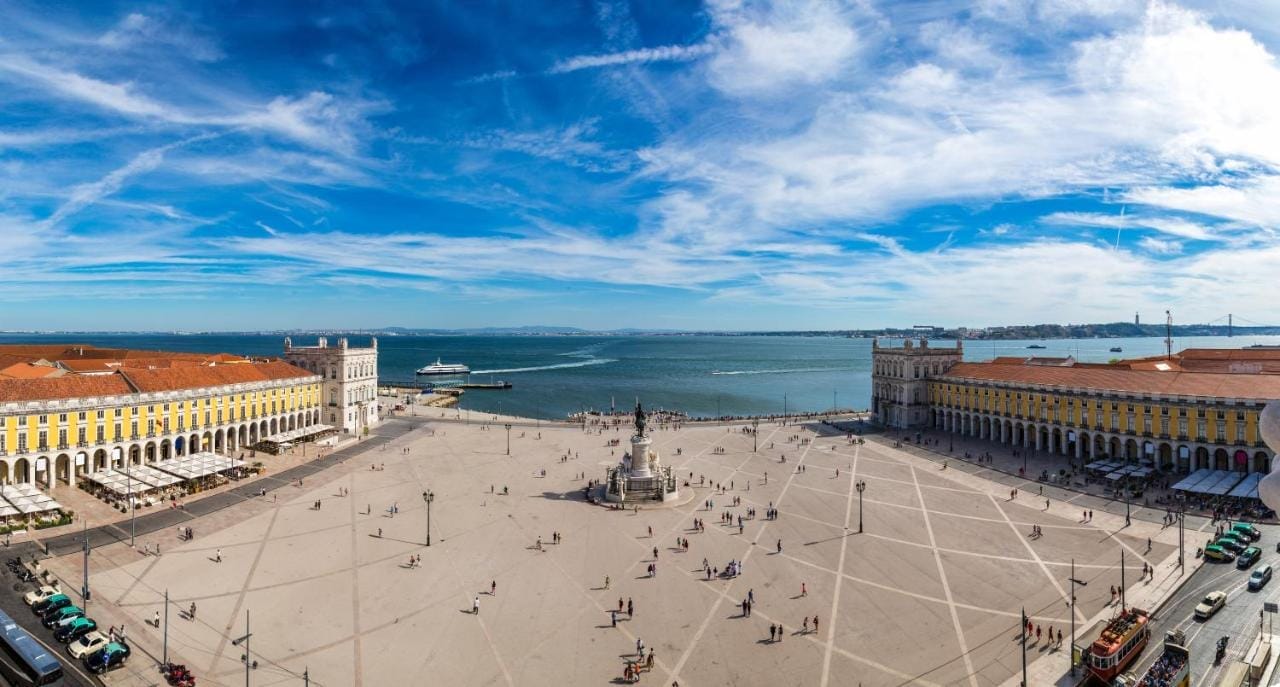
Portugal
Portugal Private Luxury Tour 7-Days
Lisbon, Porto, Sintra, the Douro Valley, and medieval Evora in 7 days - from $6,176 per person.
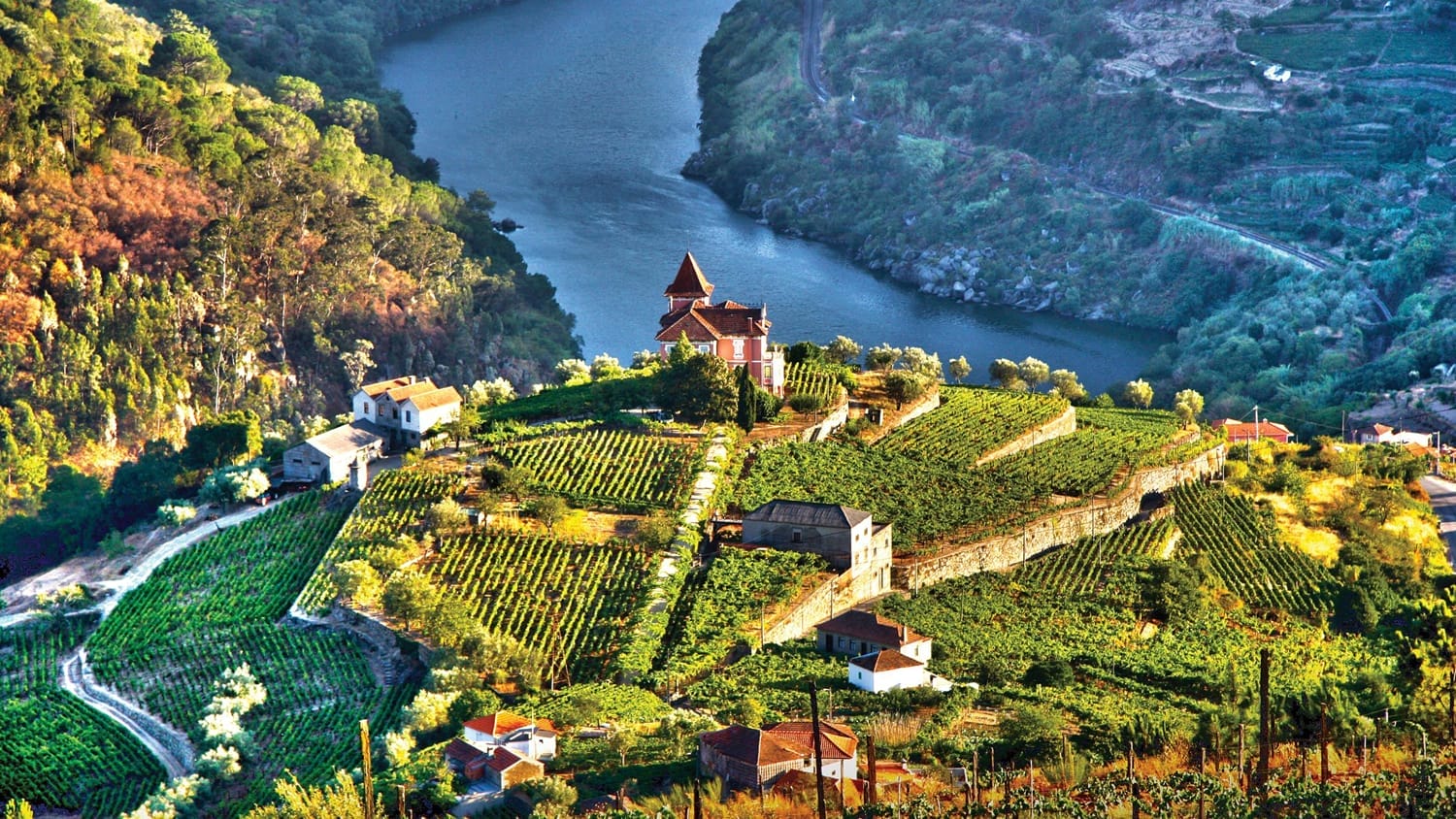
Portugal
Portugal Food & Wine Luxury Private Tour
Portugal's food & wine are famous for a reason; We make it easy with 5-star hotels, guides & expert planning from $12,484 pp

Portugal
Portugal Luxury Honeymoon Travel By Experts
Savor an exclusive, tailor-made Portugal luxury honeymoon travel, your way... 12-days from $12,984 pp..

Portugal
The Grand Tour of Portugal with Azores Islands – 21 Luxury Days
Experience the ultimate Portugal journey of wonder and discovery over 21 days from $21,294 pp
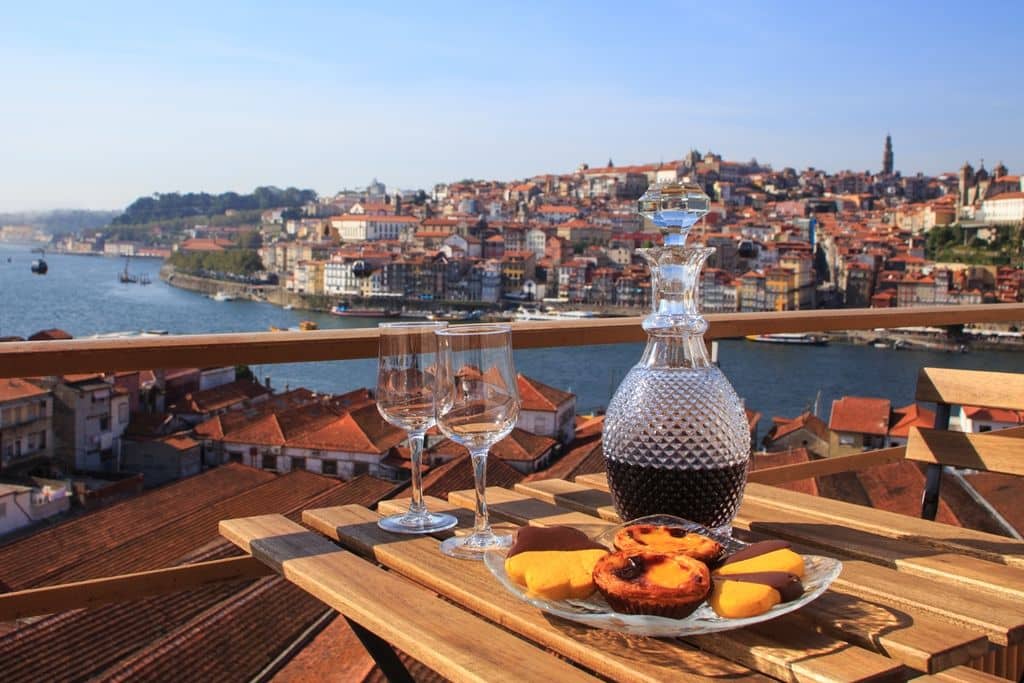
Portugal
Portugal Food & Wine Private Tour – 10 Days
Discover the delicious flavors, foods & wines of Portugal on this private 10 day tour & top guides, from $10,522 pp.
What Our Travelers Say

Our group of 12 just returned from a 2 week tour of Spain and Portugal. It was a once in a lifetime experience that was made even more special by the fantastic hotels (perfect locations), transportation, and especially the local guides who gave us an insight I imagine few people have the opportunity to receive. The itinerary was very detailed and thorough and everything occurred on time and smoothly. The very rare hiccup was addressed quickly via the emergency contact line. I highly recommend planning travel with Dan and Magical Travel!
Our trip through Portugal was fantastic. We loved the places we visited and we particularly loved Bernardo, the best tour guide ever! I have been reflecting on the trip through my jet-lagged brain and fortunately have some great photos to jog our collective memory. Top three memories? That's tough. The sunset sail in Lisbon was fabulous and a wonderful finish to our time in Portugal. We absolutely loved the Douro Valley lunch and wine pairing, entertained thoroughly by Rafael. Third top memory was the wine tasting and amazing lunch at Esporao. To Dan and his crew at Magical Spain, thank you for a lovely itinerary through Portugal!
We had a great time in Portugal. Transfers were spot on, tours were really fun, and the Quinta de Vacaria hotel was definitely worth it. Dan highly recommended Douro. So glad we did it. Felt like we had the whole valley to ourselves. We ended up doing the big dinner at Schisto. What the heck - YOLO. It was pretty amazing.
Our trip to Portugal was planned and carried out beautifully using this company. Carlos was our guide for the week and he was friendly, knowledgable and fun! He was also incredibly adaptable when necessary. Our tour included personal experiences I could have never planned by myself. I hope to use this tour company many more times in the future!
Ready To Start Planning for Portugal?
If you are considering a private luxury Portugal tour, the next step is a thirty-minute conversation — not a form, not a brochure request — about turning what you now know into the right trip for the specific people traveling with you.
If you are curious about Portugal, that conversation is the right place to begin.
Start a ConversationNo obligation. No sales cycle. Thirty minutes, and you will know whether Magical Private Travel is the right fit.
Pair Portugal With Spain or Morocco?
Many of our clients combine Portugal with Spain, Morocco, or both, and Magical Private Travel has been planning Iberian and Iberia-plus-Morocco itineraries continuously since 2002.
The arc we most often recommend: fly into Porto, travel south through the Douro, Lisbon, and the Alentejo, cross into Andalusia through the eastern Algarve and the Guadiana River border crossing, and move through Seville and Granada before flying home from Málaga or Madrid. That sequence gives you two countries, five or six distinct cultural registers, and a geographic logic that moves south and east without backtracking. See our Spain journeys for the full picture.
Portugal also combines naturally with Morocco. Seven to ten days in Portugal followed by a direct flight to Casablanca or Marrakech is a route we have planned numerous times, and the historical connection between the two countries — centuries of maritime contact, Portuguese settlements on the Moroccan Atlantic coast, the Moorish influence visible throughout the Alentejo and the Algarve — gives the combination a thread beyond the logistics. Learn more about our Morocco journeys.
