
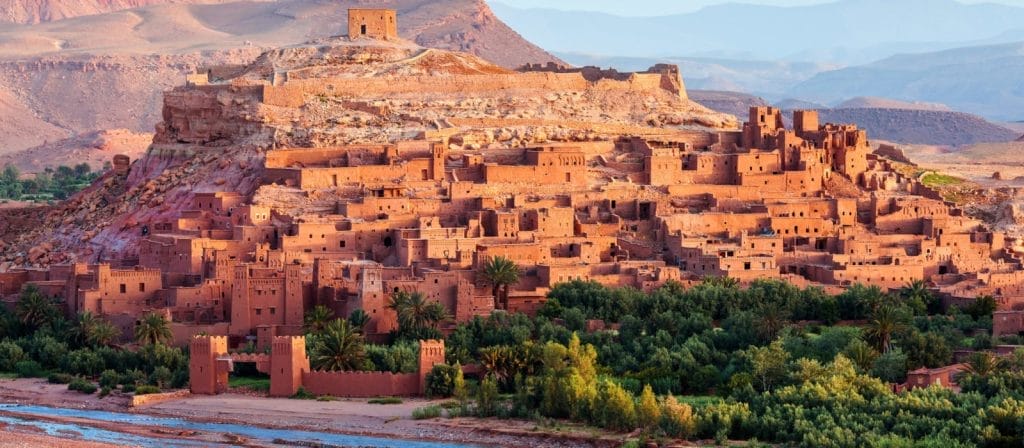
Beyond the Sahara or Agafay Deserts, modern luxury hotels and UNESCO World Heritage Sites don’t overlook the traditional Morocco experiences worth considering for American travelers. From the bustling souks of Marrakech to the ancient medinas of Fez, traditional Morocco presents a world where time-honored crafts, food, and customs remain vibrantly alive.
The beauty of traditional Moroccan experiences lies in their authenticity and the personal connections they foster. Whether you’re learning to prepare tagine with a Berber family in the Atlas Mountains or watching an artisan create intricate zellige tiles, each encounter offers insights into Morocco’s rich cultural heritage. For discerning travelers seeking luxury and exclusivity, Magical Private Travel’s Private Morocco Tours curates these traditional experiences with the highest attention to detail and comfort.
Why It Matters: Traditional experiences in Morocco provide authentic experiences that go beyond surface-level mass-market tourism, offering more genuine connections with local communities and time-honored practices.
1. Traditional Riad Accommodations in Historic Medinas
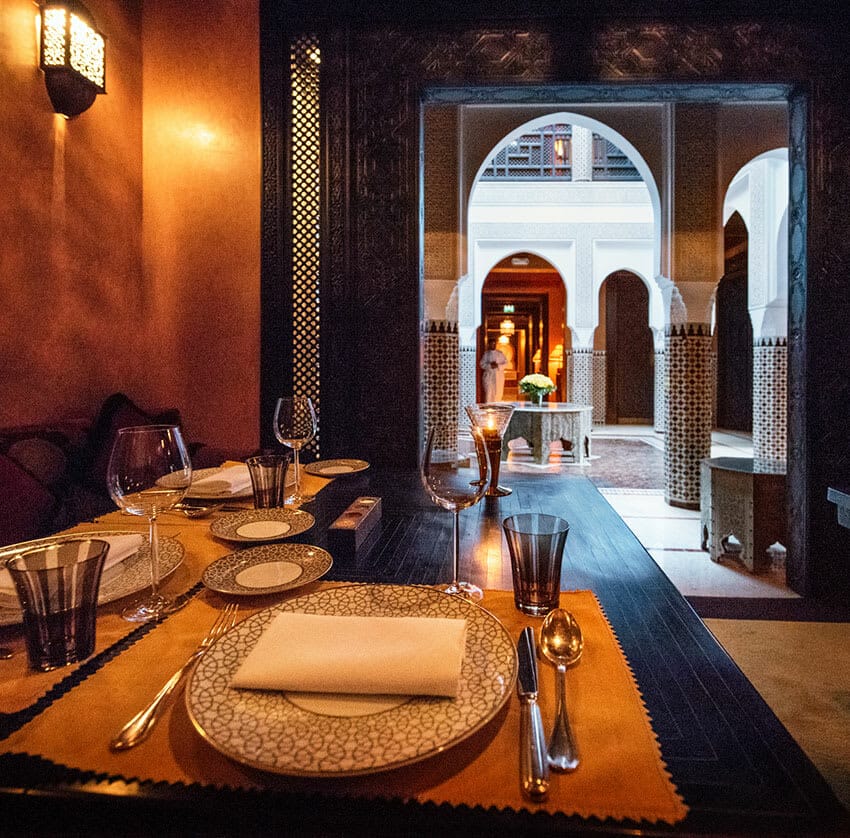
Staying in a traditional riad, if chosen well, can be a positive and quintessential Moroccan experience. These historic houses, built around central courtyards, showcase centuries-old architectural techniques and design principles that create natural cooling systems and intimate gathering spaces. The word “riad” literally means “garden,” referring to the central courtyard that serves as the heart of these magnificent structures.
Architectural Marvels and Design Philosophy
Traditional riads demonstrate remarkable engineering adapted to Morocco’s climate. The inward-facing design with high walls creates privacy while the central courtyard acts as a natural air conditioning system. Cool air settles in the courtyard at night and rises during the day, creating circulation throughout the surrounding rooms. Intricate geometric patterns in zellige tilework, carved plaster (tadelakt), and cedar wood ceilings showcase the mathematical precision and artistic mastery of Moroccan craftsmen.
Many riads feature rooftop terraces offering panoramic views of the medina’s maze-like streets and distant mountains. These spaces, traditionally used for drying clothes and socializing, now provide perfect settings for breakfast or evening relaxation. The integration of water features, from simple fountains to elaborate pools, adds both beauty and practical cooling effects.
Luxury Amenities Meet Traditional Design
Modern luxury riads seamlessly blend traditional architecture with contemporary comfort. Heated pools, spa facilities, and gourmet restaurants operate within spaces that maintain their historic character. Private suites often feature traditional alcoves converted into reading nooks, while bathrooms incorporate tadelakt plaster techniques that create naturally waterproof surfaces with organic, flowing forms.
Pro Tip: Choose riads in different medinas to experience varying architectural styles—Marrakech riads often feature warmer earth tones, while Fez riads showcase more intricate geometric patterns and cooler color palettes.
The service in luxury riads reflects traditional Moroccan hospitality customs, where guests are treated as honored family members. Staff often includes local artisans who can explain architectural details and cultural significance, transforming accommodation into educational experiences.
2. Authentic Moroccan Meals with Local Families
Traditional Moroccan cooking represents one an age-old combination of culinary traditions, combining Berber, Arab, Andalusian, and Mediterranean influences into complex flavor profiles. Participating in a meal or cooking with local families provides intimate access to techniques passed down through generations, along with cultural stories and family traditions that give context to each dish.
Traditional Cooking Techniques and Equipment
Moroccan cooking relies on specific traditional equipment that creates unique textures and flavors impossible to replicate with modern appliances. The tagine, with its cone-shaped lid, creates a circulation system that continuously bastes food while concentrating flavors. Traditional clay tagines, seasoned through specific preparation rituals, impart subtle earthy flavors that enhance the overall dish.
The process begins with selecting ingredients from local markets, where families maintain relationships with specific vendors spanning generations. Traditional spice blending, using techniques like toasting whole spices and grinding them by hand, creates aromatic complexity that pre-ground spices cannot match. The famous ras el hanout spice blend can contain over 30 different spices, with each family maintaining their secret proportions.

Regional Specialties and Family Recipes
Different regions of Morocco specialize in distinct traditional dishes reflecting local ingredients and cultural influences. Coastal areas excel in seafood preparations like chermoula-marinated fish, while mountain regions focus on hearty meat stews and preserved ingredients. The traditional preservation technique of making preserved lemons (l’hamd marakad) demonstrates how families historically prepared for seasonal variations.
Learning traditional bread-making provides insights into daily Moroccan life, as families typically prepare dough at home and take it to communal ovens for baking. This practice maintains neighborhood social connections while ensuring everyone has access to fresh bread daily. The traditional Moroccan breakfast of msemen (layered flatbread) requires specific folding techniques that create delicate, flaky layers.
Expert Tip: Family cooking experiences often include traditional tea ceremonies, where the proper preparation and serving of mint tea demonstrates hospitality customs of Moroccan culture.
Cultural Context and Social Traditions
Cooking classes reveal how food preparation connects to broader cultural practices and social structures. Traditional gender roles in cooking, while evolving, still carry cultural significance that families explain during lessons. The concept of “baraka” (blessing) in food preparation emphasizes the spiritual aspects of nourishing others and the importance of intention in cooking.
Meal presentation follows specific traditional protocols, from the communal eating style using bread as utensils to the order of dish service during special occasions. Understanding these customs enhances appreciation for the social dimensions of Moroccan cuisine beyond mere flavor combinations.
3. Traditional Hammam and Spa Rituals
The traditional hammam experience represents one of Morocco’s most enduring wellness traditions, combining physical cleansing with spiritual purification and social bonding. These steam baths, adapted from Roman and Byzantine traditions, evolved into distinctly Moroccan practices that remain central to local culture and personal hygiene routines.
The Authentic Hammam Process
Traditional hammams operate on specific architectural principles that create optimal steam and heat distribution. The facility typically includes three rooms with increasing temperature levels, allowing the body to gradually acclimate to intense heat. The hottest room features marble slabs where visitors lie to open pores and prepare skin for the cleansing process.
The traditional treatment involves several stages performed by skilled attendants called “tellak” for men and “natafa” for women. Black soap (savon beldi), made from olives and eucalyptus, is applied to soften skin before the famous “gommage” scrubbing with rough mitts (kessa gloves) that removes dead skin cells. This process reveals remarkably soft, renewed skin while providing therapeutic benefits for circulation and muscle tension.
Social and Cultural Significance
Hammams traditionally serve as important social spaces, particularly for women, where community news, advice, and support are shared. Wedding preparations often include special hammam ceremonies where brides receive traditional beauty treatments while surrounded by female family members and friends. These gatherings strengthen social bonds while maintaining cultural traditions around major life events.
The ritual aspects of hammam visits, including specific prayers and intentions for purification, connect physical cleansing with spiritual renewal. Understanding these deeper meanings enhances the experience beyond simple relaxation, providing insights into Moroccan approaches to holistic wellness.
4. Traditional Artisan Workshops and Craft Demonstrations
Morocco’s traditional craft industries represent living museums where ancient techniques continue through master-apprentice relationships spanning generations. Visiting artisan workshops provides unprecedented access to skills that have remained virtually unchanged for centuries, from intricate metalwork to delicate textile production.
Zellige Tile Making and Geometric Artistry
Traditional zellige production demonstrates remarkable mathematical precision combined with artistic intuition. Master craftsmen (maâlems) shape each tile by hand from clay sourced from specific regions around Salé, creating subtle variations that give zellige its characteristic organic beauty. The glazing process uses traditional formulas containing natural minerals that create the distinctive colors and lustrous finish.
The geometric patterns created with zellige tiles reflect complex mathematical principles rooted in Islamic art traditions. These patterns, called “taqsim,” follow specific rules about symmetry, repetition, and infinite extension that create visual harmony while avoiding figurative representation. Watching craftsmen plan and execute these patterns reveals the deep mathematical knowledge embedded in traditional Moroccan design.
Traditional Metalwork and Jewelry Crafting
Moroccan metalworkers maintain techniques for creating intricate silver jewelry, brass decorative items, and iron architectural elements using traditional tools and methods. The art of “damascening”—inlaying precious metals into base metals—creates the distinctive patterns found in traditional Moroccan decorative items. These techniques require years of apprenticeship to master the precise hand movements and timing necessary for quality results.
Traditional jewelry making incorporates symbolic elements with cultural significance, from protective amulets to celebration pieces marking important life events. Understanding these symbolic meanings adds depth to appreciation of Moroccan jewelry beyond mere aesthetic beauty.
Carpet Weaving and Textile Traditions
Traditional Moroccan carpet weaving varies significantly between regions, with Berber tribes maintaining distinct patterns and techniques that tell stories about their cultural identity and history. The famous Beni Ourain rugs use specific knotting techniques and natural wool colors that create their characteristic minimalist aesthetic, while Middle Atlas carpets incorporate complex symbolic patterns with specific meanings.
The traditional dyeing process uses natural materials like pomegranate rinds, saffron, and indigo to create the rich colors found in authentic Moroccan textiles. These natural dyes not only provide beautiful colors but also possess properties that naturally repel insects and resist fading, demonstrating the practical wisdom embedded in traditional techniques.
Pro Tip: Many artisan workshops offer hands-on experiences where visitors can try basic techniques under expert guidance, providing deeper appreciation for the skill and patience required to master these traditional crafts.
Leather Working and Traditional Tanning
The traditional leather tanning process in Morocco’s historic tanneries represents one of the world’s oldest industrial processes still in operation. The famous Chouara Tannery in Fez continues using methods that date back over 1,000 years, employing natural materials like pigeon droppings, cow urine, and various plant extracts to process leather.
This traditional process creates leather with unique characteristics—suppleness, durability, and distinctive aroma—that cannot be replicated through modern chemical tanning. The different colored vats visible in tanneries contain specific natural dyes and treatments that transform raw hides into the beautiful leather used for traditional Moroccan goods.
5. Traditional Music and Dance Performances
Morocco’s traditional music and dance traditions reflect the country’s diverse cultural influences while maintaining distinct regional characteristics. These performances aren’t mere entertainment but serve important social, spiritual, and cultural functions within Moroccan society, from religious ceremonies to seasonal celebrations.
Gnawa Music and Spiritual Traditions
Gnawa music represents one of Morocco’s most distinctive traditional art forms, combining Sub-Saharan African rhythms with Islamic spiritual practices. The traditional instruments—the sintir (bass lute), qraqeb (metal castanets), and various drums—create hypnotic rhythms designed to induce spiritual trance states during healing ceremonies called “lila.”
The traditional Gnawa repertoire includes specific songs for different purposes: healing particular ailments, honoring specific spirits, or marking seasonal transitions. Master musicians (maâlems) undergo years of training not only in musical techniques but also in the spiritual and healing aspects of their art. These performances often continue throughout entire nights, with different phases serving distinct ceremonial purposes.
Berber Folk Music and Cultural Preservation
Traditional Dance Forms and Regional Variations
Traditional Moroccan dance varies dramatically between regions, with each area maintaining distinct styles that reflect local cultural influences and historical experiences. The Chaabi dance from urban areas differs significantly from the Ahidous group dances performed by Berber communities in the Atlas Mountains.
Traditional wedding dances include specific sequences performed at different stages of the celebration, each with particular meanings and functions within the marriage ceremony. These dances often involve intricate costume changes and symbolic elements that communicate messages about fertility, prosperity, and family unity.
6. Traditional Souk Shopping and Bargaining Culture
The traditional souk experience represents one of Morocco’s most authentic cultural interactions, where commerce, social connection, and cultural exchange intersect in spaces that have operated continuously for centuries. Understanding traditional bargaining customs and market etiquette enhances both the shopping experience and cultural appreciation.
Traditional Market Organization and Specialization
Traditional Moroccan souks organize according to craft specializations and product categories, with specific areas dedicated to particular trades. This organization reflects historical guild systems where craftsmen and merchants maintained quality standards and trade practices within their specialties. The famous Jemaa el-Fnaa square in Marrakech serves as the central hub from which specialized souks radiate, each maintaining its traditional character and merchant community.
Traditional market architecture creates natural climate control through covered passages and strategic positioning that provides shade and air circulation. The narrow passages and architectural elements serve practical purposes while creating the intimate atmosphere that characterizes authentic souk experiences.
Bargaining Customs and Social Protocols
Traditional bargaining in Moroccan souks follows specific social protocols that transform commercial transactions into cultural exchanges. The process typically begins with mint tea service and conversation that establishes personal connection before discussing business. This traditional approach reflects Moroccan values about relationship-building and mutual respect in commercial dealings.
Understanding traditional bargaining techniques helps visitors participate appropriately while respecting local customs. The initial price quote typically represents a starting point for negotiation rather than a firm offer, and the bargaining process includes specific stages of offer, counter-offer, and gradual price reduction that both parties understand and expect.
Traditional Crafts and Authentic Products
Traditional souks offer access to authentic handcrafted items that represent genuine Moroccan artisanal traditions. Learning to identify authentic traditional crafts versus mass-produced imitations requires understanding specific techniques, materials, and quality markers that indicate genuine handwork.
Traditional pottery, for example, displays specific characteristics in glazing, firing techniques, and decorative patterns that reflect regional traditions and individual artisan styles. Authentic traditional textiles show evidence of hand-weaving, natural dyeing processes, and regional pattern variations that distinguish them from machine-made reproductions.
Expert Tip: Building relationships with specific merchants over multiple visits often leads to access to higher-quality traditional items and better understanding of the cultural significance behind different crafts and their traditional uses.
Seasonal Markets and Special Occasions
Traditional markets in Morocco operate according to seasonal cycles and religious calendars, with special markets appearing during particular times of year. Traditional date markets during Ramadan, carpet markets before winter, and specialty food markets during religious holidays provide unique opportunities to experience authentic local commerce and cultural traditions.
These seasonal markets often feature traditional items and practices not available during regular market periods, including traditional ceremonial foods, seasonal crafts, and religious items that play important roles in Moroccan cultural celebrations.
7. Traditional Desert Experiences
The traditional desert experience in Morocco provides access to nomadic cultures and traditional ways of life that have adapted to harsh desert conditions over millennia. These experiences offer insights into sustainable living practices, traditional navigation techniques, and cultural adaptations that demonstrate remarkable human ingenuity and resilience.
Traditional Camel Trekking and Desert Navigation
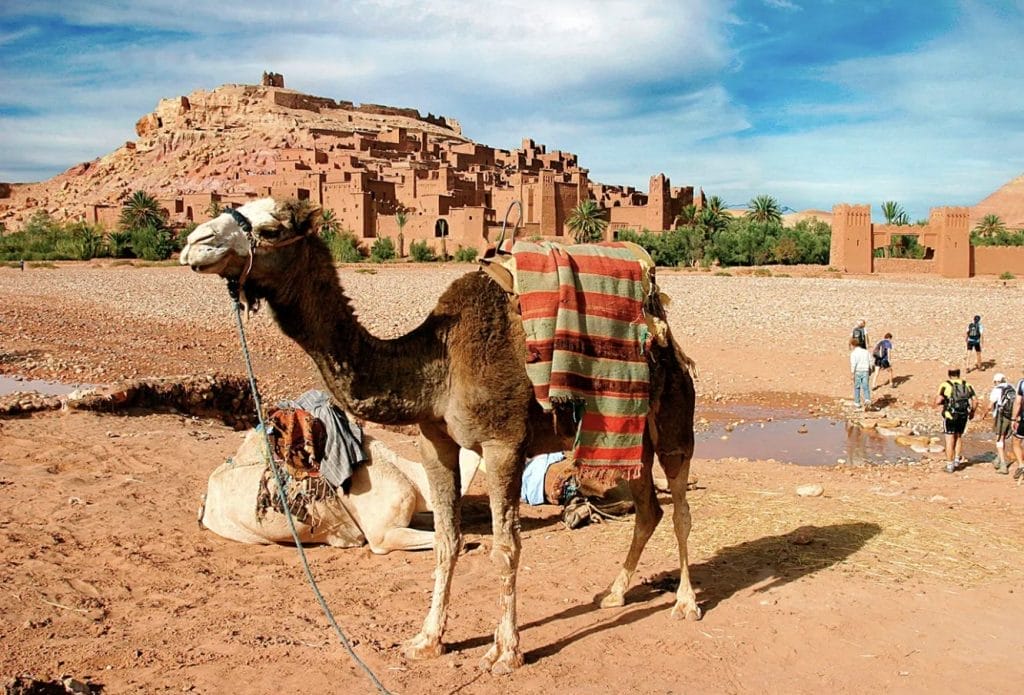
Traditional camel trekking represents the authentic method of desert travel that nomadic communities have perfected over centuries. The relationship between travelers and camels requires understanding traditional handling techniques, loading procedures, and care practices that ensure animal welfare and journey success.
Traditional desert navigation relies on natural landmarks, star patterns, and environmental observations that nomadic guides learn through generations of desert experience. These traditional techniques demonstrate sophisticated knowledge of desert ecology, weather patterns, and geographic features that enable safe travel across seemingly featureless landscapes.
Berber Camp Life and Traditional Hospitality
Traditional desert camps showcase nomadic lifestyle adaptations that maximize comfort and safety in challenging environments. The traditional tent structures use specific materials and construction techniques that provide protection from wind, sand, and temperature extremes while remaining portable and efficient to assemble.
Traditional desert hospitality follows specific customs that reflect the importance of mutual support and generosity in harsh environments. The traditional welcome ceremony, meal preparation, and evening entertainment demonstrate cultural values about community, sharing, and respect for guests that have enabled nomadic survival for centuries.
Why It Matters: Traditional desert experiences provide profound insights into living practices and human adaptation that remain relevant.
Traditional Desert Cuisine and Preservation Techniques
Traditional desert cuisine demonstrates remarkable ingenuity in creating nutritious, flavorful meals using limited ingredients and cooking methods adapted to nomadic life. Traditional preservation techniques for meat, dairy products, and vegetables enable nomadic communities to maintain varied diets despite limited access to fresh ingredients.
The traditional tagine cooking method proves particularly suited to desert conditions, requiring minimal water while maximizing flavor and nutrition from available ingredients. Traditional spice combinations not only enhance flavor but also provide preservation and digestive benefits important for desert travel.
Traditional Storytelling and Oral Traditions
Traditional desert evenings feature storytelling traditions that preserve historical narratives, cultural values, and practical knowledge through oral transmission. These traditional stories often include navigation information, survival techniques, and cultural wisdom embedded in entertaining narratives that ensure knowledge preservation across generations.
Traditional musical accompaniment to storytelling uses instruments adapted to nomadic life—portable, durable, and capable of producing the sounds that carry across desert distances. Understanding these traditional entertainment forms reveals how nomadic cultures maintain social cohesion and knowledge transmission despite geographic isolation.
Common Questions About Traditional Morocco Experiences
What should I expect from traditional Moroccan hospitality customs?
Traditional Moroccan hospitality operates according to specific customs that reflect deep cultural values about guest treatment and social relationships. Visitors are typically welcomed with mint tea service, which serves both practical and symbolic functions—the tea provides refreshment while the preparation and serving ritual demonstrates respect and creates opportunities for conversation and connection.
Traditional hospitality includes specific protocols around meal sharing, gift exchange, and social interaction that may differ significantly from Western customs. Guests are often invited to participate in family meals, where traditional eating customs like sharing communal dishes and using bread as utensils create intimate cultural experiences. Understanding and respecting these traditional customs enhances relationships with local hosts while providing authentic cultural insights.
The concept of “karama” (dignity) plays a central role in traditional Moroccan hospitality, where hosts take personal responsibility for guest comfort and satisfaction.
What traditional crafts make the best authentic souvenirs?
Traditional Moroccan crafts that make excellent authentic souvenirs include items that demonstrate genuine handwork and reflect specific regional traditions. Traditional pottery from Safi, with its distinctive blue and white patterns, represents centuries-old techniques that create both functional and decorative items with authentic cultural significance.
Traditional textiles like Berber rugs, woven using traditional techniques and natural materials, provide lasting souvenirs that showcase regional artistic traditions while supporting traditional craft communities. Each region maintains distinct weaving patterns and color combinations that reflect local cultural identity and historical influences.
Traditional metalwork items like brass tea sets, silver jewelry, or decorative lanterns demonstrate sophisticated craftsmanship while serving practical functions that connect to traditional Moroccan lifestyle practices. Learning to identify authentic traditional techniques versus mass-produced imitations ensures that souvenir purchases support genuine artisan communities.
How do traditional cooking classes accommodate dietary restrictions?
Traditional Moroccan cooking classes can typically accommodate various dietary restrictions while maintaining authentic cultural experiences. Traditional Moroccan cuisine includes many naturally vegetarian dishes that use traditional spice combinations, preserved ingredients, and cooking techniques that create complex flavors without meat products.
Traditional cooking methods often separate different ingredients during preparation, making it possible to adapt recipes for specific dietary needs while maintaining authentic techniques and flavor profiles. Many traditional preserving and preparation methods actually align well with various dietary approaches, using natural ingredients and traditional processing techniques.
However, communicating dietary restrictions clearly before participating in traditional cooking experiences ensures that appropriate ingredients and alternative preparation methods can be arranged. Traditional hospitality customs prioritize guest comfort, so hosts typically welcome opportunities to adapt traditional recipes to accommodate visitor needs.
What’s the difference between tourist performances and authentic traditional cultural events?
Authentic traditional cultural events serve specific social, religious, or community functions within Moroccan society, while tourist performances are created primarily for visitor entertainment. Traditional events follow seasonal calendars, religious observances, or community celebrations that have genuine cultural significance for participants.
Traditional cultural events often include educational elements where community members explain cultural significance, historical context, and traditional practices to interested visitors. These explanations provide deeper understanding of the cultural meanings and social functions that traditional performances serve within Moroccan society.
How can I learn traditional Moroccan Arabic phrases for cultural interactions?
Learning basic traditional Moroccan Arabic (Darija) phrases enhances cultural interactions and demonstrates respect for local language traditions. Traditional greetings like “As-salamu alaykum” (peace be upon you) and responses like “Wa alaykum as-salam” (and upon you peace) show understanding of traditional social protocols and religious customs.
Traditional courtesy phrases for market interactions, meal situations, and social encounters help navigate cultural situations while showing respect for traditional communication styles. Many traditional phrases include religious references or cultural concepts that reflect important values in Moroccan society.
However, traditional Moroccan hospitality typically includes patience and assistance for visitors learning the language, with community members often eager to help visitors learn traditional phrases and understand their cultural contexts. This creates opportunities for cultural exchange and relationship building that enhance overall traditional experiences.
Key Takeaways
Traditional Morocco experiences offer unparalleled opportunities to engage with authentic cultures, time-honored practices, and genuine community connections that transform travel into meaningful cultural exchange. From the architectural marvels of traditional riads to the spiritual dimensions of traditional music and the practical wisdom of traditional crafts, these experiences provide insights into sustainable living practices and cultural values that remain relevant in our modern world. Get started with Magical Private Travel to discover how these traditional Morocco experiences can be seamlessly integrated into private Morocco travel itineraries that honor both cultural authenticity and personal comfort.