

Multi-Country
14-Day Private Spain & Portugal Tour: Madrid, Seville, Porto & Lisbon


“We love to tailor-make once-in-a-lifetime trips with our local relationships & story-worthy experiences.” – Magical’s American founder, 20-year Europe resident, culinary enthusiast & world traveler.


Itinerary Highlights
✔ Discover the Prado, the Royal Palace, and the tapas of old Madrid.
✔ Toledo above the Tagus, where Gothic, Jewish, and Islamic legacies still shape the old city.
✔ The Nasrid Palaces of the Alhambra and cobbled lanes of the Albaicín in Granada.
✔ The Real Alcázar, Triana Market, and a night of flamenco in Seville.
✔ Lisbon on a sunset sailing, Sintra wrapped in Atlantic mist, and a day in the Douro Valley vineyards.
This sample itinerary starts from $10,484 per person.
Magical is an award-winning, American-led travel agency since 2002
Couples, families & private groups — all in good hands
Your itinerary, tailor-made by destination experts
Your own private guide, vehicle & pace — always
Curated hotels & genuine insider experiences
Peace of mind with 24/7 in-country support
98.5% five-star reviews · 15,000+ travelers since 2002
Use our itinerary to inspire your expert-tailored dream trip!
Itinerary
Day One
Madrid on Arrival
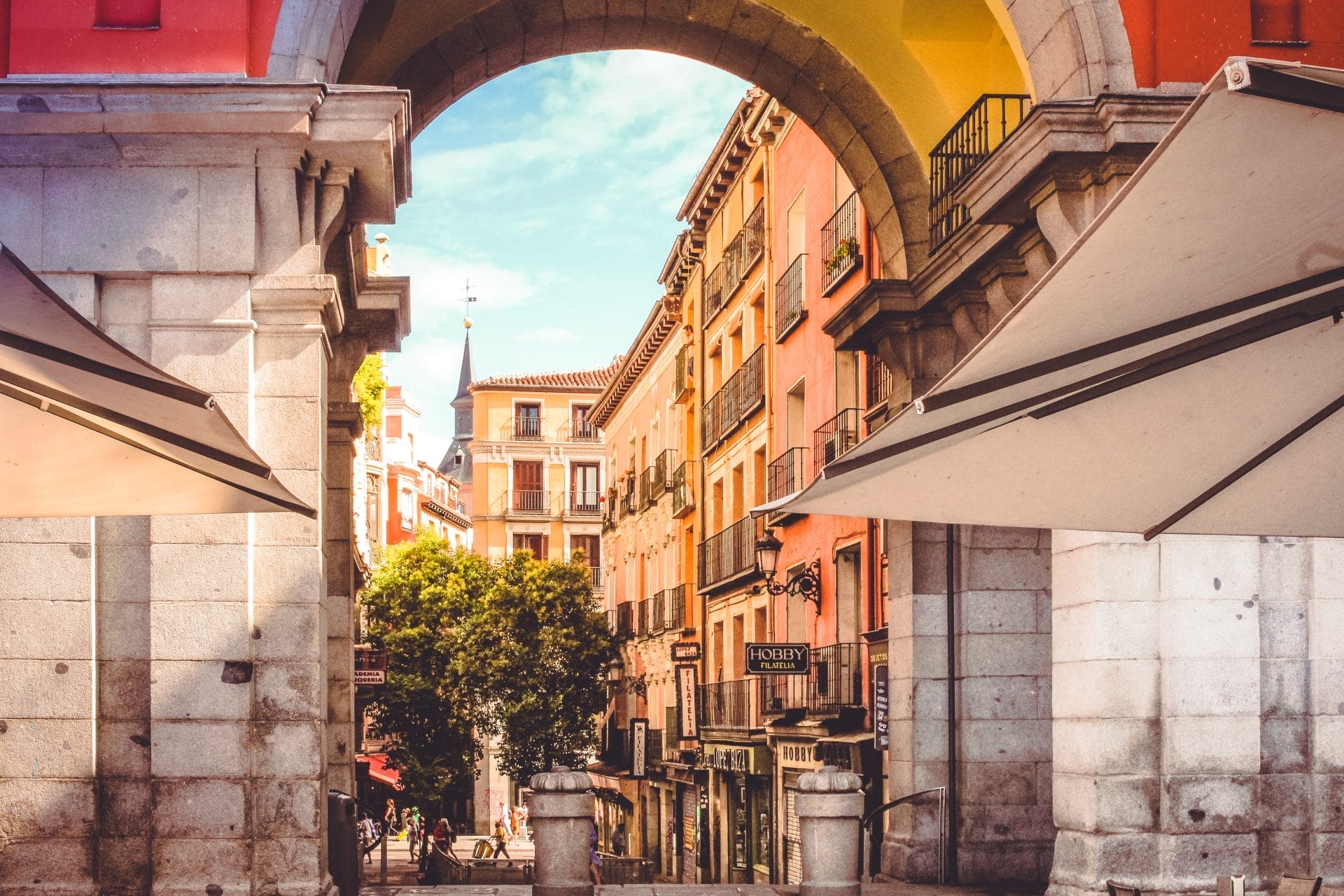
Arrival and a First Introduction to the City. After arriving and settling in, the rest of the day is open. Those who want to begin exploring can set out on a private guided walk through Plaza Mayor, Mercado de San Miguel, and the Austrias quarter. Tapas are part of daily life in Spain, and Madrid does them especially well.

Day Two
Madrid The Prado and Royal Palace
The morning begins at the Royal Palace, one of the largest working royal residences in Europe, built on the site of a former Moorish fortress above the Manzanares River. Near Puerta del Sol, Capas Seseña has been crafting the traditional Spanish cape since 1901, with Picasso and Hemingway among its clients. The Prado closes the day: Velázquez, Goya, El Greco, and the Flemish masters, whose work takes on a different weight and scale when seen in person.
Day Three
Toledo Three Faiths
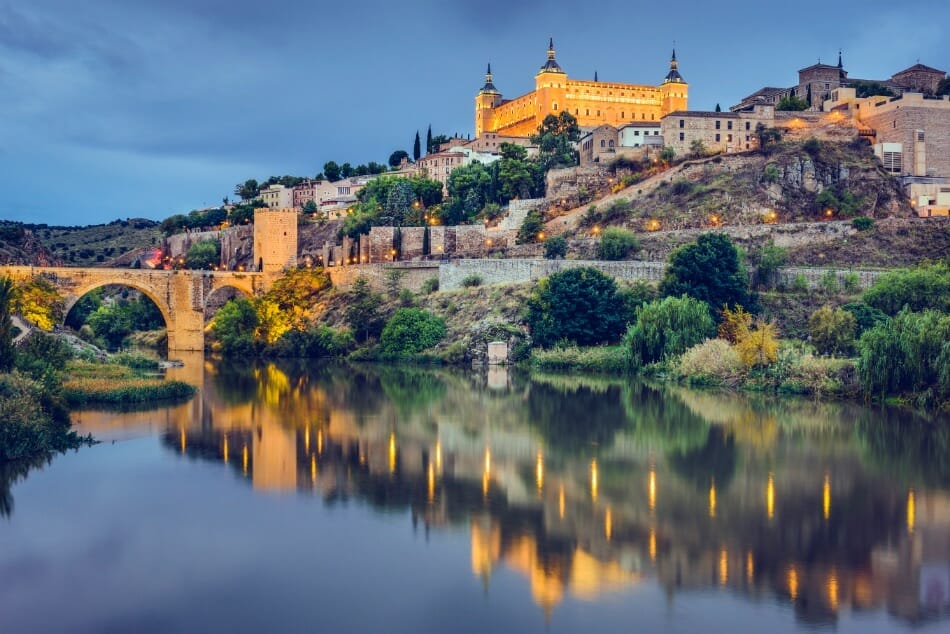
An hour from Madrid, Toledo rises above the Tagus and the centuries seem to compress. Gothic, Jewish, and Islamic legacies remain visible throughout the old city: a cathedral, medieval synagogues, and a former mosque later adapted into a church, all within the same walled center. Swordsmiths still work the metal. Nuns still sell marzipan through convent windows. Toledo does not reconstruct its past. It simply never stopped living within it.

Day Four
Granada The Albaicín Quarter
The Albaicín, Granada’s old Moorish quarter and a UNESCO World Heritage Site, is best discovered on foot: cobbled streets, whitewashed walls, hidden cármenes, and the sound of water nearby in old cisterns. From the Mirador de San Nicolás, the Alhambra rises across the hillside, with the Sierra Nevada beyond. Higher up, Sacromonte extends among caves carved into the rock, long associated with Granada’s Romani community and flamenco tradition. In the center, the 16th-century cathedral and the Royal Chapel, where Ferdinand and Isabella are buried, speak to the city’s place in Spanish history.
Day Five
Granada and The Alhambra
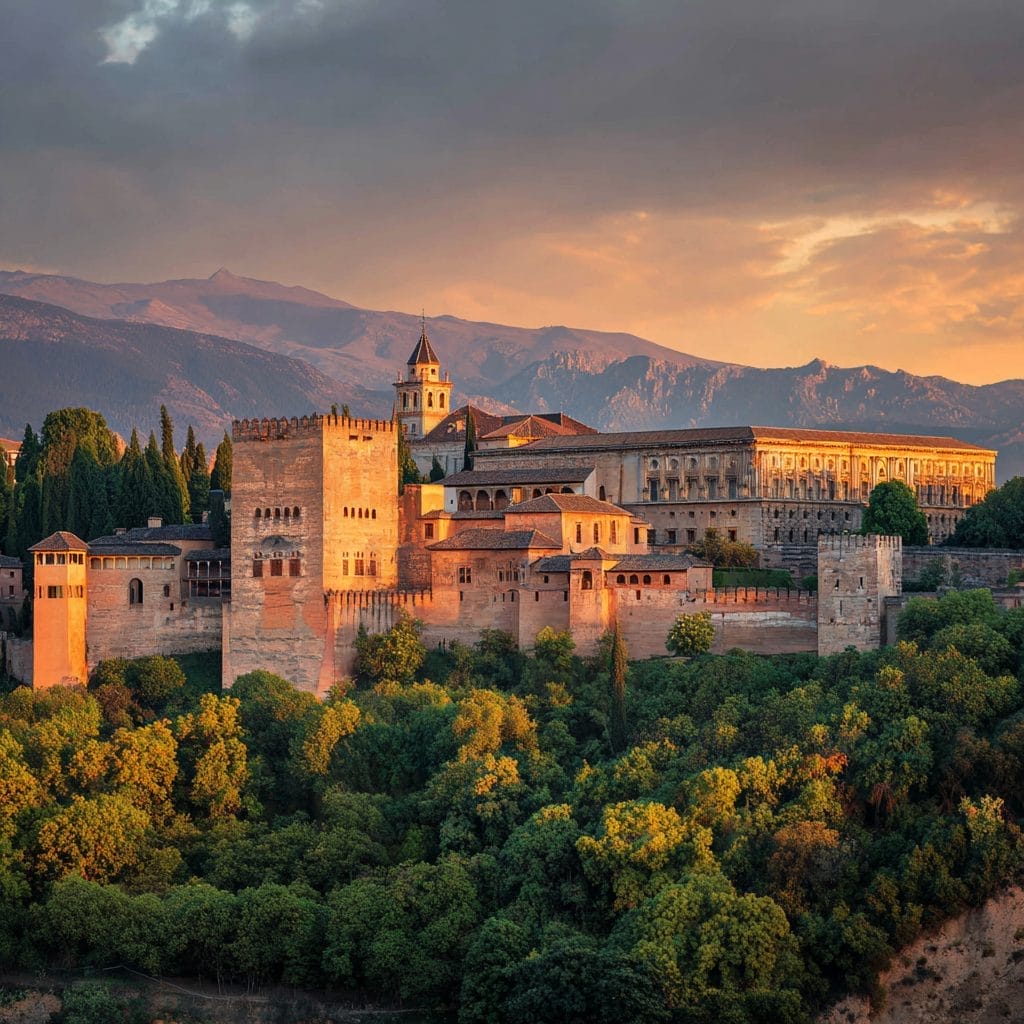
The Alhambra, Granada's 13th-century Nasrid palace complex and UNESCO World Heritage Site, was built to be inhabited, not visited. That distinction matters once you're inside. The Nasrid rulers designed rooms around sound, light, and moving water, not scale or spectacle. Your private guide knows which parts of the complex reward time and which don't. The Generalife was the summer garden retreat, separated from the palace by a short walk and a change in atmosphere. The Alcazaba, at the far end, is the oldest surviving section, and the one that makes the most sense once you've seen everything else first.
Day Six
Seville Cathedral and Alcázar
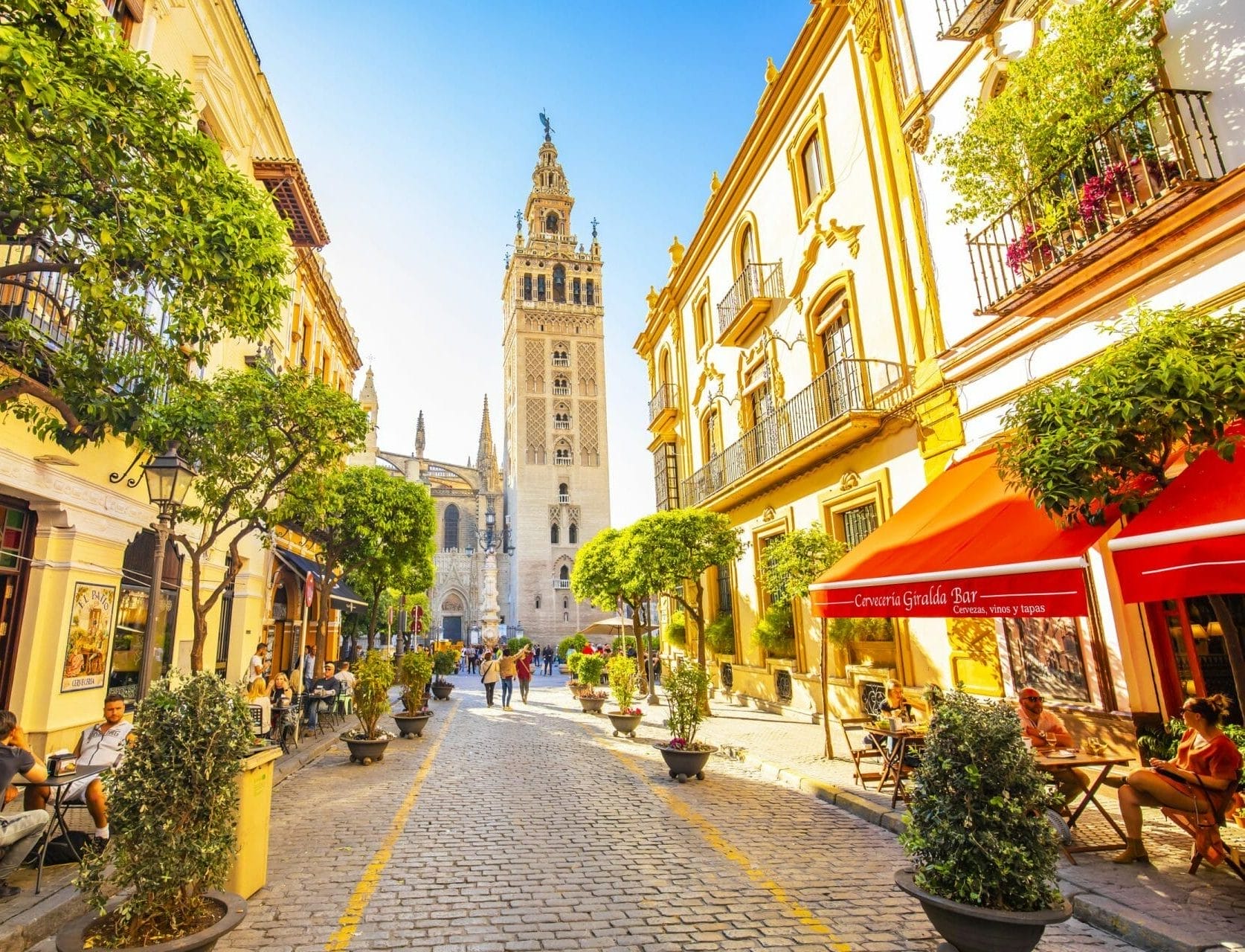
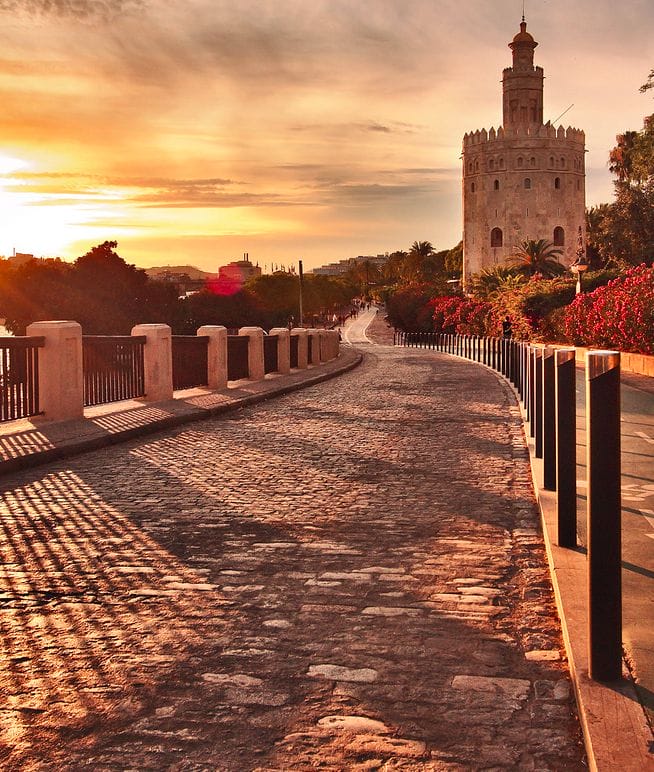
Seville has a scale that few Spanish cities can match. The Cathedral is one of the largest Gothic cathedrals in the world, and beside it rises the Giralda, a former minaret turned bell tower. Next to it stands the Real Alcázar, one of the oldest royal palaces still in use in Europe, with layers of Mudéjar, Gothic, and Renaissance architecture added over time without erasing what came before. Santa Cruz extends to the east: the old Jewish quarter, with streets too narrow for cars, orange trees overhead, and the scent of jasmine drifting from a courtyard behind a wall. It is often the part of Seville people most want to return to.
Day Seven
Seville Triana and Flamenco
Triana is the neighborhood across the Guadalquivir that Seville has always regarded with a mix of affection and suspicion. It has its own identity, its own ceramics tradition, and its own flamenco lineage. The morning begins at Triana Market, whose stalls supply restaurants and households across the city. Afterward, time in a local kitchen, where a Sevillian chef prepares a traditional meal and shares the ingredients, techniques, and rhythms of Andalusian cooking. The day ends with flamenco, where duende, on the right night, needs no explanation.

Day Eight
Évora and Lisbon
The road from Seville to Lisbon crosses the Alentejo: cork oaks, olive groves, and grain fields opening out as the Portuguese border approaches. Évora lies roughly halfway and is well worth the stop. A walled city with Roman foundations, Évora took on a quieter rhythm after its university was suppressed in the 18th century, and much of the city still carries that sense of pause. Its Roman temple still stands in a public square beside a medieval palace. The Chapel of Bones, in the Church of São Francisco, was built by Franciscan monks using human bones. It remains one of the most memorable places in Évora.
Day Nine
Lisbon and the Tagus
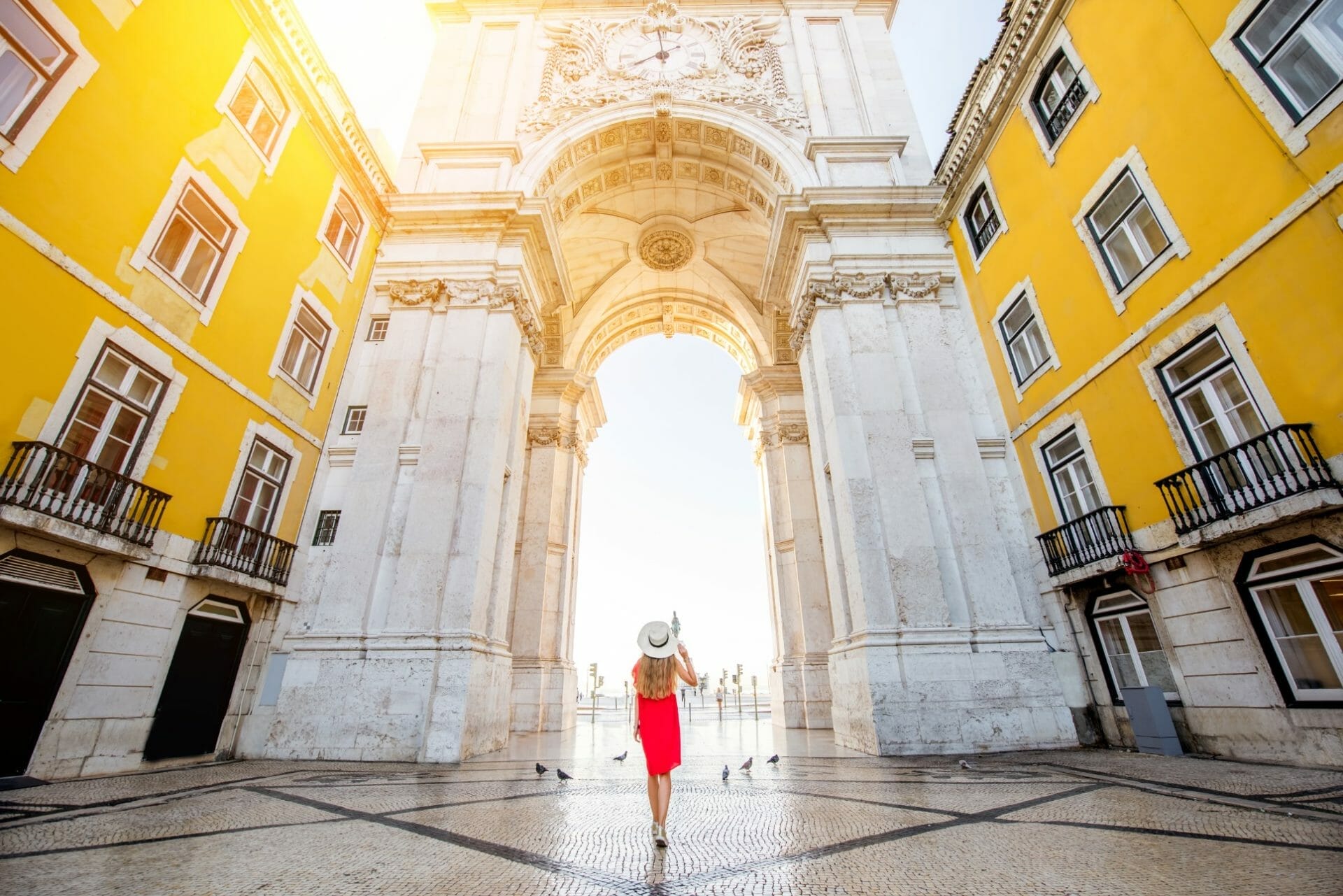
Lisbon shifts from one neighborhood to the next in both scale and light. This morning is spent on foot: Alfama, with its narrow lanes and viewpoints; Belém, where the Jerónimos Monastery and Belém Tower speak to the Age of Discovery; and Chiado, still filled with historic cafés and old shops. By afternoon, the city reads differently from the water. The Tagus estuary is so wide here that it almost feels like an inland sea. The day ends aboard a private sailboat at sunset, as Lisbon softens toward the Atlantic.

Day Ten
Sintra and Cascais
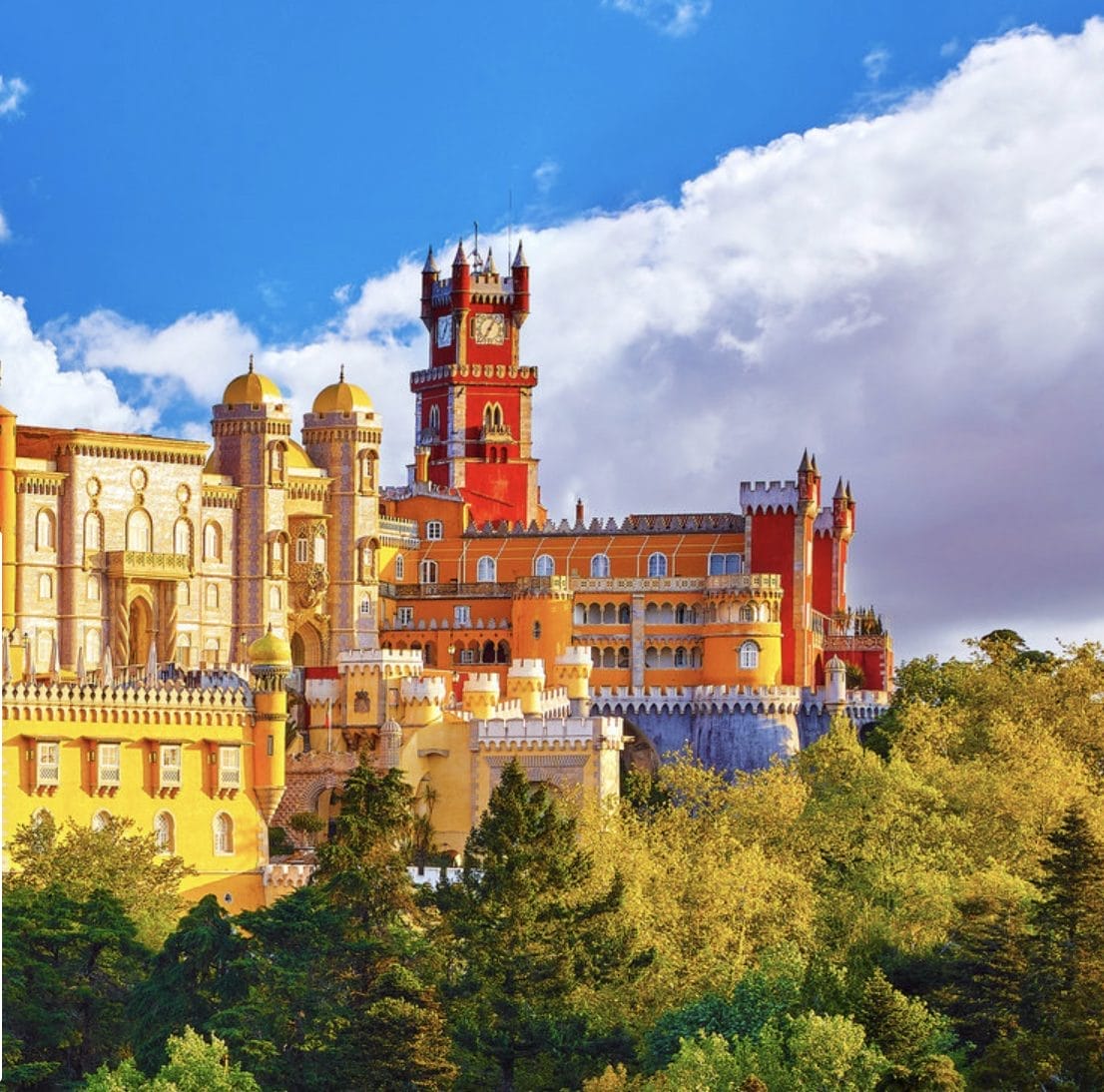
Sintra sits in the hills above Lisbon, where Atlantic fog gathers and temperatures drop noticeably from the city below. Pena Palace is the best known: yellow and red towers rising above the treetops, a 19th century Romantic fantasy built over the ruins of a medieval convent. Beyond it, Sintra offers other palaces worth knowing, including Monserrate, the National Palace in the center of town, and Quinta da Regaleira, each with its own character and a more tranquil atmosphere. From there, the coastal road follows the Atlantic cliffs before descending to Cascais, a town long shaped by the sea.

Day Eleven
Coimbra to Porto
Between Lisbon and Porto, Coimbra is the stop worth making. The University of Coimbra is one of the oldest universities in continuous operation in the world, and the city still revolves around it. The Joanina Library is one of Portugal's most remarkable historic libraries, with an interior that seems designed to impress even before you cross the threshold. Bookshops, a fado tradition distinct from Lisbon's, and streets shaped by academic life over centuries give Coimbra a character all its own.
Day Twelve
Porto and Gaia
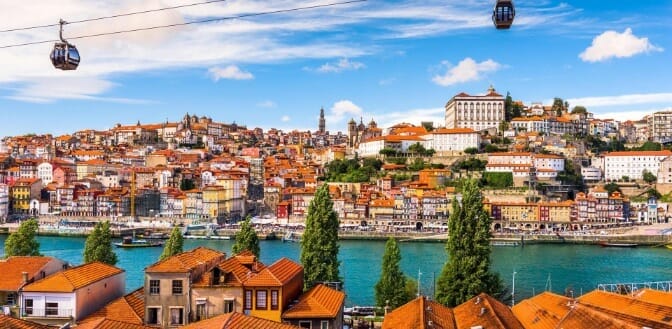
Much of Porto’s appeal lies in its distinct character. The Ribeira district, along the river, is best explored on foot. The Dom Luís I Bridge crosses to Vila Nova de Gaia, where the historic port wine lodges continue to shape the city’s profile. A tasting at one of them closes the afternoon with the river in front of you. Livraria Lello, the Sé Cathedral, the Stock Exchange Palace, and the churches clad in azulejo tiles trace a route that reveals some of the city’s essential layers.

Day Thirteen
Douro Valley Vineyards
The Douro Valley begins about an hour east of Porto. The road follows the river to Peso da Régua and continues to Pinhão, where the small train station lined with azulejo tiles already sets the tone for the day. Terraced vineyards fall down schist hillsides toward a slow-moving river, and the scale of what was built here by hand only becomes clear when you see it. The day includes a visit to a family-run winery: a walk through the vineyards, a tasting with the producer, and a traditional Portuguese lunch at a quinta in the valley. The Douro as it is known by those who work and live there.

Day Fourteen
Departure from Porto
The journey ends in Porto.
Like what you see?
Create an experience you'll remember
What's Included
A Very Personalized Itinerary, Just For You and Your Schedule
Hand-Picked Ultra-Luxury & Boutique Hotel Options
Insider Experiences + Inspiring Sightseeing + Magical Upgrades
Private Touring with Your Own Personal Expert Guide
Private Airport & Train Station Luxury Transfers
Full Breakfasts + Food & Wine Tasting Options
Your Choice of Activities on “Design Your Days”®
Expert Advice, Restaurant Ideas & Reservations
24/7 Support & Concierge Service from Spain, Portugal & Morocco
Our Unforgettable Trips Are Tailored, Just for You!
Hi! We're Dan & Nuria, and as the owners and operators we believe that whatever your interest, you deserve the tailor-made private trip of your dreams.
We guarantee you 7 unique Magical advantages including true expert planning, positive impact travel and 24-7 trip support via our local teams in Spain, Portugal & Morocco.
Get inspired with our sample trips then get in touch about an expert-made custom, curated, luxury itinerary, just for you!
Contact UsMore Itineraries
Magical Spain & Portugal has many tours & itineraries to check out — here are a few more to consider for your dream vacation.
Multi-Country
Ultimate Spain & Portugal: Iberia’s Icons & Insider Access
Your tailor-made 16-day private Spain & Portugal VIP adventure is customized for your dreams and dates!
Multi-Country
Classic Spain & Portugal Luxury Tour: Barcelona to Lisbon in 14 Days
Discover the Best of Spain & Portugal Private Journey from €13,484 pp for 14 Days

Multi-Country
Classic Spain & Lovely Lisbon Unveiled: A Private Luxury Trip – 14 Days
Classic Spain + Legendary Lisbon: Your Luxury Private Trip of a Lifetime from $15,762 pp.
