



Spain · Private and tailor-made
Spain, from the Alhambra to the Pintxo Bars
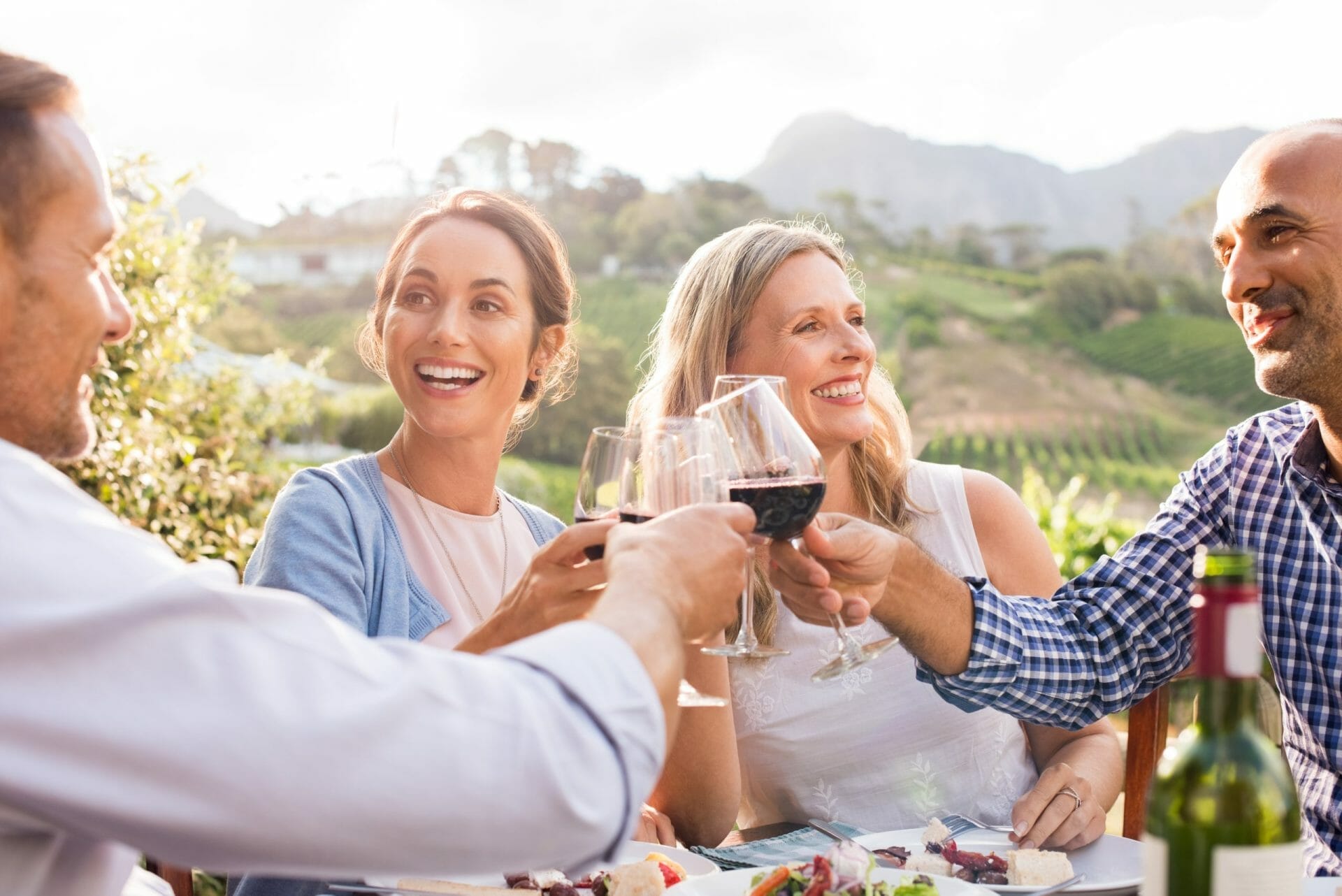
Walk the vineyards of Bodegas de la Real Divisa in Rioja with the Marquis of Legarda himself.
Suggested length
22 days
Price guide
From $24,484 per person, excl. flights, based on two sharing
Includes hotels, private guiding, experiences and transfers
When
April to June and September to October
or call +1 (727) 699-5439
A planner replies within one business day
Planned from Madrid since 2002 · 15,000+ travelers · Never cancelled a journey
Spain changes its accent, its food and its light as you travel north. These three weeks in Spain follow that change on a private tour from Madrid to Barcelona. Madrid, Toledo and Segovia come first, then Seville, Ronda, the Alhambra and the Caminito del Rey. In the north you see Gehry’s Guggenheim in Bilbao and the pintxos of San Sebastián, small bites on every bar counter. In the Rioja you walk the vineyards of Bodegas de la Real Divisa with the Marquis of Legarda himself. Gaudí’s Barcelona and the Costa Brava come last. Everywhere, your guides are chosen as much for how they read a room as for what they know. Your planner can lengthen, shorten or swap any stage of the three weeks.
Walk the Nasrid Palaces and the Court of the Lions with Israel, Granada.
Study Velázquez’s Las Meninas and Goya’s Black Paintings with Anna at the Prado, Madrid.
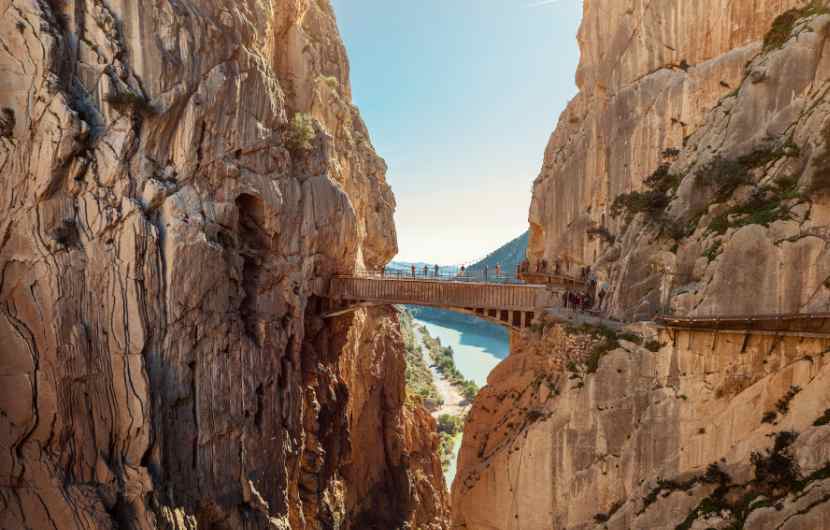
Cross the Desfiladero de los Gaitanes on the boardwalks of the Caminito del Rey, near Ardales.
Visit Frank Gehry’s titanium-clad Guggenheim beside the Nervión, Bilbao.
Taste pintxos and txakoli poured from a height in the Parte Vieja, San Sebastián.
Descend into the old wine cellars beneath the streets of Laguardia, in the Rioja Alavesa.

“We love to tailor-make trips you’ll talk about for years, built on our local relationships & story-worthy experiences.” – Magical’s American founder, in Europe since 1998, culinary enthusiast & world traveler.







A Journey Designed Just for You
Our resident experts wrote this itinerary as a starting point, and your planner shapes every day around your interests, pace and travel style.
What do our travelers say?
The 22-day Spain itinerary at a glance
The route uses nine bases and twenty-one nights: four in Madrid, two each in Seville, Ronda, Granada, Málaga, Bilbao, San Sebastián and the Rioja wine country near Laguardia, and three in Barcelona. Every base holds at least two nights, so each hotel change buys at least one full day without luggage. Madrid, Bilbao and Barcelona also serve as bases for day trips, to Toledo and Segovia from the capital, to San Sebastián from Bilbao, and to the Costa Brava from Barcelona.
Three long connections keep the road days short. The high-speed train runs from Madrid to Seville in about 2 hours 30 minutes. A direct flight links Málaga and Bilbao, about 750 kilometers apart, in about 1 hour 40 minutes, and a second direct flight links Bilbao and Barcelona in about 1 hour 15 minutes. A licensed driver handles every other leg by road: about 2 hours from Ronda to Granada, about 1 hour 30 minutes from Granada to Málaga, about 1 hour from Bilbao to San Sebastián, about 2 hours from San Sebastián to the Rioja, and about 1 hour 15 minutes from Laguardia back to Bilbao for the flight east. Day seven, through the white villages from Seville to Ronda, is the longest road day, a full day with stops.
Spring and autumn suit a route this long, from the Mediterranean to the Bay of Biscay. Spain’s state weather agency, AEMET, records average daily highs in Seville of about 23°C (74°F) in April and 26°C (79°F) in October, against 36°C (97°F) in July. The north runs cooler. Bilbao averages about 18°C (64°F) in April and 21°C (71°F) in October, and AEMET’s Igeldo station on the hill above San Sebastián about 14.5°C (58°F) and 18.5°C (65°F). Logroño, in the Rioja, averages about 18°C (64°F) in April and 20°C (68°F) in October, Madrid about 18°C (65°F) and 19°C (67°F), and Barcelona about 18°C (64°F) and 22°C (72°F). In summer the Basque coast stays mild, with Bilbao at about 25°C (78°F) in July, and our team plans the southern days around the heat.
Why the route runs from Madrid to Barcelona by way of the Basque Country
The journey flies into Madrid and home from Barcelona and draws a loop around the country instead of a straight line. It starts at the center with the royal capital, Toledo and Segovia, drops south into the Andalusia of the Almohads and the Nasrids, reaches the Mediterranean at Málaga, then turns north to the Atlantic side of Spain, the Basque coast and the vineyards of the Ebro valley, before the last flight east to Barcelona. Each leg changes what reaches the table: roast suckling pig in Segovia, fried fish in Málaga, pintxos in San Sebastián, lamb chops grilled over vine shoots in the Rioja and pa amb tomàquet in Barcelona. It sits with our other private journeys on the Spain destination page.
Málaga sits where the route needs it. The road from Granada reaches the coast in about 1 hour 30 minutes, and Málaga’s airport has direct flights to Bilbao, so the jump from south to north falls at the natural break between Andalusia and the Basque Country. Bilbao comes before San Sebastián so the coast road between them, through Zumaia and Getaria, becomes a touring day instead of a transfer. The Rioja comes last in the north because Laguardia lies about 1 hour 15 minutes by road from Bilbao, where the flight to Barcelona leaves.
Journey at a glance
Length
22 days
From
$24,484 per person, double occupancy
Route
Madrid, Toledo, Segovia, Seville, White Villages, Ronda, Granada, Málaga, Bilbao, San Sebastián, La Rioja, Barcelona - DEPARTS DAILY ON A PRIVATE BASIS. Availability is limited.
Your planner adjusts every day to your dates.
Day One
Madrid: Arrival and the Habsburg Quarter
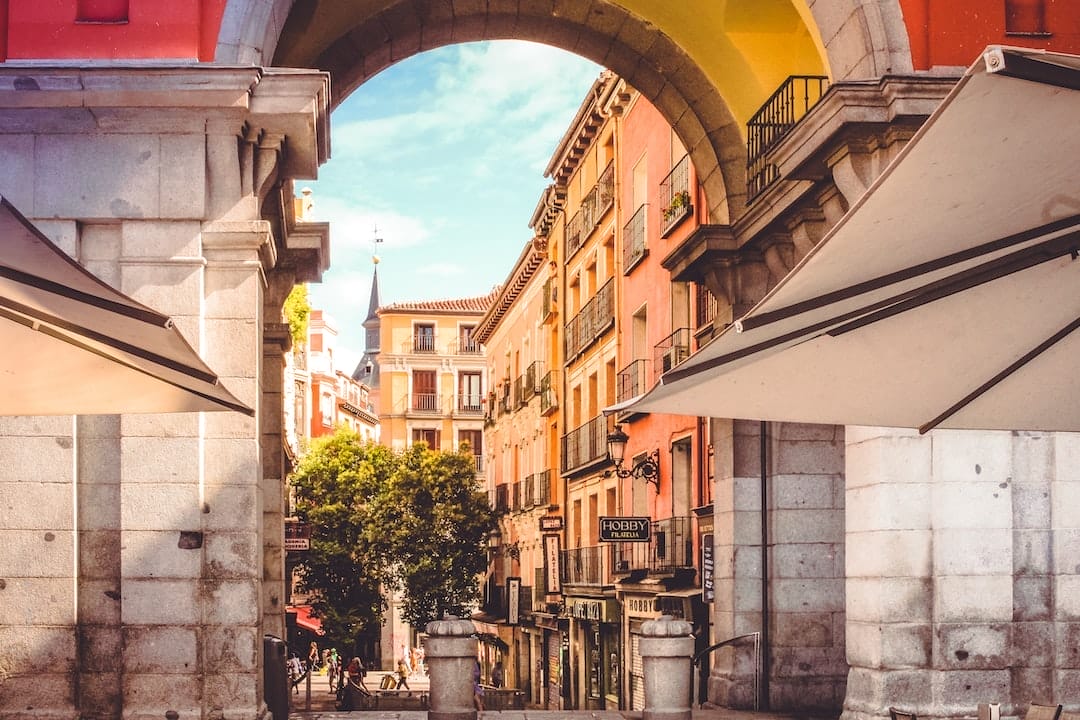
Your licensed driver meets you at Madrid-Barajas airport, about 13 kilometers northeast of the Puerta del Sol, and brings you to a hotel in the historic center. VIP fast-track assistance through the terminal comes on request, and where it suits your party our team arranges early check-in. In the late afternoon your licensed guide leads a short first walk through the Madrid of the Habsburgs. Plaza Mayor, completed in 1619, closes around you on four sides, with 237 balconies above the arcades and a bronze equestrian statue of Philip III at its center. Next door, the Mercado de San Miguel keeps its wrought iron and glass hall from 1916, and its counters serve jamón, olives and a first glass of Spanish wine. Logistics: Madrid-Barajas airport to central Madrid by road with your licensed driver, then an evening walk with your licensed guide.

Day Two
The Prado, the Royal Palace and the Puerta del Sol
The Prado opened to the public in November 1819, in a building Juan de Villanueva designed in 1785. Where your dates allow, Anna, an art historian, leads the morning through Velázquez's Las Meninas, Goya's Black Paintings and Hieronymus Bosch's The Garden of Earthly Delights. Outside, the Paseo del Prado and the Buen Retiro park joined UNESCO's World Heritage list together in 2021, and the Retiro's shaded paths make a green interval before lunch. In the afternoon your licensed guide takes you into the Royal Palace, which rose on the site of the old Alcázar after fire destroyed it on Christmas Eve 1734. Its 3,418 rooms include the Stradivarius Room, with two violins, a viola and two cellos by Antonio Stradivari. The walk back crosses the Puerta del Sol, where a plaque in the pavement marks kilometer zero of Spain's radial roads. Logistics: a day in central Madrid with Anna in the morning and your licensed guide in the afternoon, and your licensed driver for the transfer from the museum to the palace.
Day Three
Toledo, City of Three Cultures
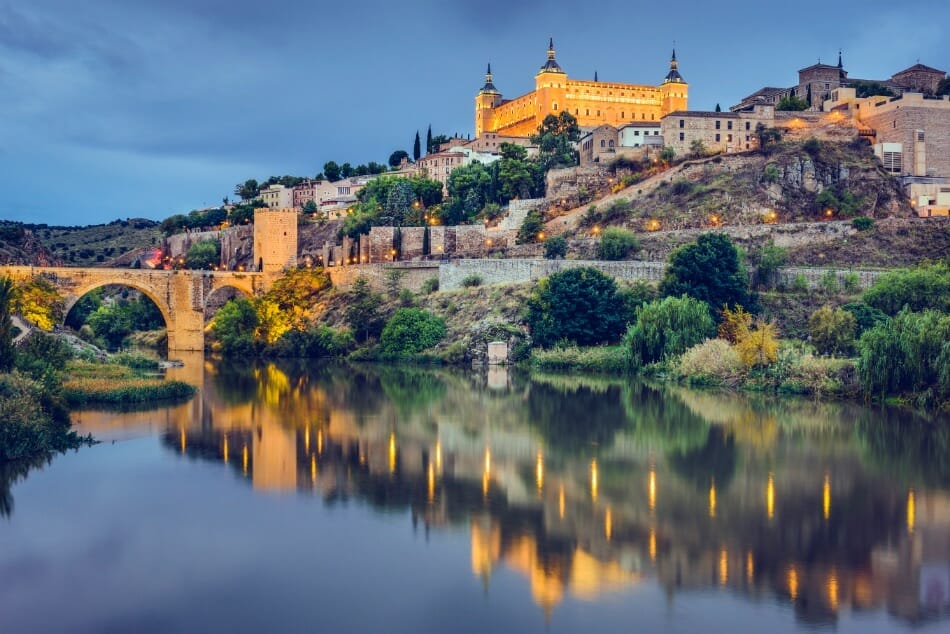
Toledo sits on a steep rock above the Tagus River, about 70 kilometers south of Madrid, and UNESCO inscribed the old city in 1986. For much of the Middle Ages, Christians, Jews and Muslims lived side by side here, and your licensed guide reads the streets with you, where synagogues, mosques and churches stand a few lanes apart. Work on the Gothic cathedral began in 1226, and its sacristy holds fifteen paintings by El Greco, among them El Expolio. Samuel HaLevi commissioned the synagogue of El Tránsito, completed in 1357 and home to the Sephardic Museum today, and nearby Santa María la Blanca sets rows of horseshoe arches against plain white walls from around 1205. The small mosque of Bab al-Mardum, completed in 999, survives as the church of Cristo de la Luz. Before you leave, taste mazapán de Toledo, the almond marzipan with protected geographical indication status, first recorded in the city in 1512. Logistics: Madrid to Toledo by road, about 1 hour each way, licensed driver, with a licensed guide for the day in Toledo.

Day Four
Segovia and the Spanish Versailles
Segovia's Roman aqueduct carries 167 arches of granite blocks laid without mortar, and it stands 28.5 meters at its tallest. UNESCO inscribed the old town and the aqueduct in 1985. Your licensed guide leads you up through the old town to the Alcázar, first recorded in 1120, on a rocky crag above the meeting of the Eresma and Clamores rivers. In December 1474, on the news of Henry IV's death, Isabella took refuge in the Alcázar, and the next day Segovia proclaimed her Queen of Castile. Lunch brings cochinillo asado, suckling pig roasted in a wood-fired oven until the skin turns crisp. In the afternoon, where it suits your party, your licensed driver takes you to La Granja de San Ildefonso, the palace Philip V began in 1721 on the model of his grandfather's Versailles. Its 26 sculptural fountains run on gravity alone, fed from a reservoir at the top of the park. Logistics: Madrid to Segovia by road, about 1 hour 30 minutes, with La Granja on the same day and the return to Madrid in the evening, licensed guide and licensed driver.
Day Five
South to Seville
The high-speed line from Madrid, which opened in 1992, runs about 472 kilometers through Córdoba to Santa Justa station. In the afternoon your licensed guide opens Seville through its three World Heritage monuments, which UNESCO inscribed together in 1987. At the Real Alcázar, King Pedro I built his Mudéjar palace in the 1360s, and the royal family still occupies the upper floors when it visits the city. Next door, the cathedral rises on the site of the Almohad great mosque, and the Almohads completed the Giralda, the minaret turned bell tower, in 1198. Inside the tower, 35 ramps take the place of stairs, and at the top the Giraldillo, a bronze weathervane in place since 1568, gives the tower its name. The walk ends in the whitewashed lanes of Santa Cruz, the city's old Jewish quarter, with the scent of orange trees in the small squares. Logistics: Madrid to Seville by high-speed train, about 2 hours 30 minutes, and a licensed driver meets you at Santa Justa.

Day Six
Plaza de España, Triana and the Castle of San Jorge
Aníbal González designed the Plaza de España for the Ibero-American Exposition of 1929, and the building work finished in 1928. Tiled alcoves run around the plaza, one for each Spanish province, and four bridges over the moat stand for the old kingdoms of Spain. Film crews chose it for Lawrence of Arabia and for Star Wars: Episode II, where it stood in for the city of Theed. Your licensed guide leads you through the María Luisa Park, whose gardens Jean-Claude Nicolas Forestier designed for the same exposition, and across the river to Triana, a quarter of potters, tile makers and flamenco singers and dancers. The Mercado de Triana, on the site since 1823, stands over the ruins of the Castle of San Jorge, which the Inquisition held as its headquarters and prison from 1481 to 1626, and a museum below the market tells the story. A cold caña on the riverbank follows. In the evening, where it suits your party, you take reserved seats for flamenco song, dance and guitar, a tradition UNESCO added to its intangible heritage list in 2010. Logistics: a walking day in Seville with your licensed guide, and a licensed driver for the transfer to Plaza de España and the evening flamenco venue.
Day Seven
The White Villages on the Road to Ronda
Today's road runs through three of Andalusia's white villages, and your licensed guide and licensed driver set the pace. Arcos de la Frontera comes first, its old town on a sandstone ridge above sheer cliffs, partly inside a loop of the Guadalete river. The Basilica of Santa María rose after the Reconquista on the site of a Visigothic temple and a medieval mosque, and its main façade mixes Plateresque and Gothic. The road then climbs into the Sierra de Grazalema Natural Park to Grazalema, a village whose weavers made its shawls famous from the 17th century, and on to Zahara de la Sierra, where you cross a dam to reach whitewashed houses below the remains of a Moorish castle. Castilian troops under Rodrigo Ponce de León took Zahara in 1483. Where it suits your party, the day includes a walk on a trail between villages or a tasting at a working olive oil mill. Logistics: Seville to Ronda by road through Arcos, Grazalema and Zahara, the longest road day of the journey, a full day with stops and a village lunch, licensed driver.
Day Eight
Clifftop Ronda and the Serranía Vineyards
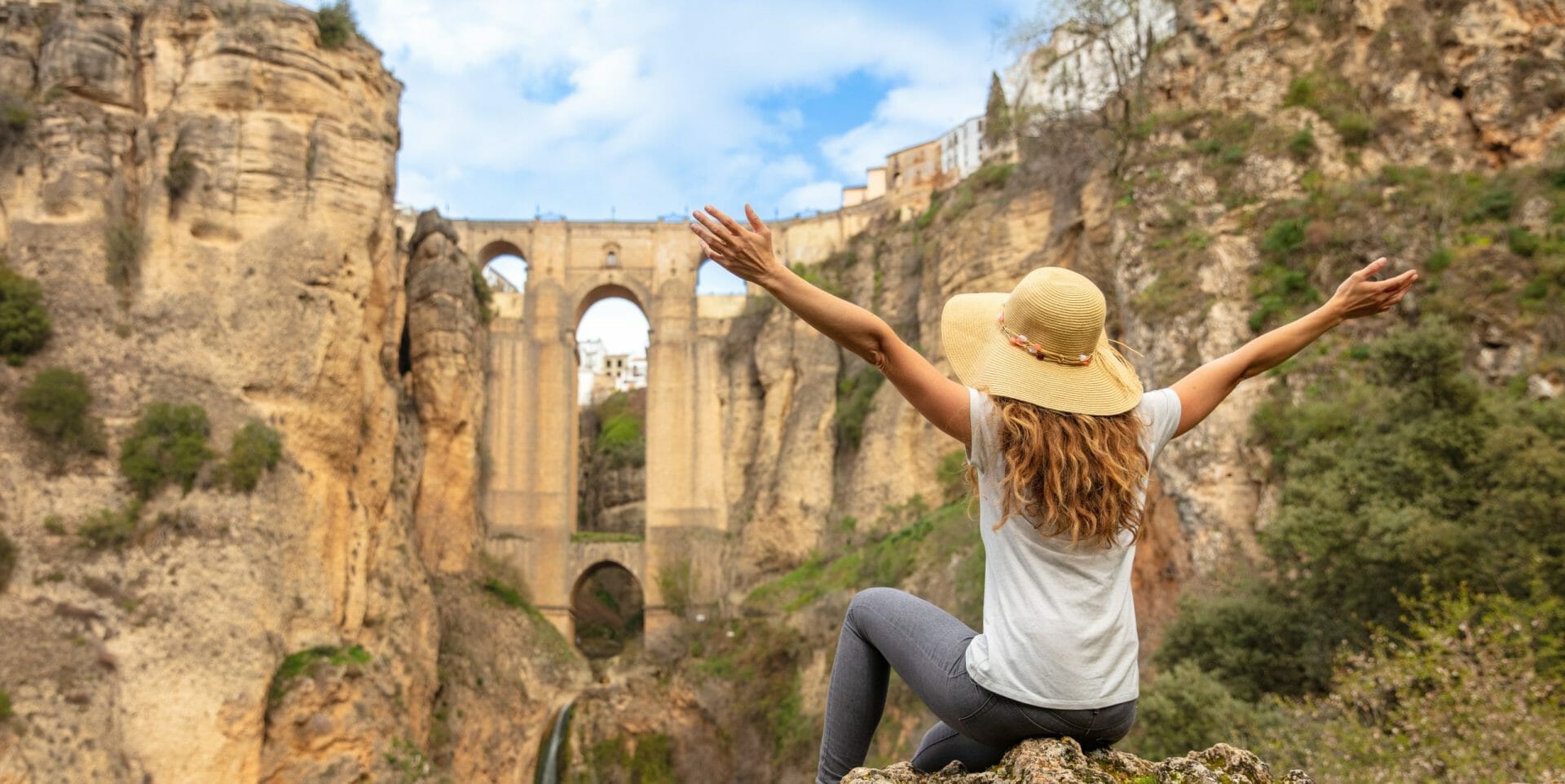
Ronda stands above El Tajo, the gorge more than 100 meters deep where the Guadalevín River splits the town in two. Builders finished the Puente Nuevo across the gorge in 1793, and from its parapet you hear the river far below. With your licensed guide you cross into La Ciudad, the old quarter, and walk down to the Arab Baths, which date from the 13th and 14th centuries. Ernest Hemingway and Orson Welles both spent many summers in La Ciudad, and Welles's ashes lie in a well on the country estate of his friend, the retired bullfighter Antonio Ordóñez. In the afternoon, where it suits your party, your licensed driver takes you to a winery in the Serranía de Ronda, where vineyards grow between 600 and 1,000 meters above sea level, or your guide leads a country walk below the town. Logistics: Ronda on foot with your licensed guide in the morning, and your licensed driver for the winery visit in the afternoon.

Day Nine
Granada, the Last Nasrid Capital
On 2 January 1492, Boabdil surrendered Granada and the Alhambra to the Castilian forces of Ferdinand and Isabella, and the two monarchs lie today in the Royal Chapel, which rose between 1505 and 1517 under the direction of Enrique Egas. Your licensed guide then leads you up into the Albaicín, the hillside quarter north of the Darro, which keeps much of its Nasrid street plan and joined the Alhambra on UNESCO's list in 1994. Its cármenes, freestanding whitewashed houses with gardens, line the lanes up to the Mirador de San Nicolás, where the whole Alhambra faces you across the valley in the evening light. On the way down, try a pionono, a small rolled sponge cake soaked in syrup and topped with toasted cream, from Santa Fe on the edge of Granada. Logistics: Ronda to Granada by road, about 2 hours, licensed driver, then an afternoon on foot with your licensed guide.

Day Ten
The Alhambra and the Generalife
The Alhambra sits on the Sabika hill, an outcrop of the Sierra Nevada, and Muhammad I, the first Nasrid emir, began the complex in 1238. Where your dates allow, Israel, one of our licensed guides in Granada, leads the day. In the Court of the Lions, twelve marble lions carry the fountain of the palace Muhammad V built during his second reign, which began in 1362, and channels across the courtyard floor link the central fountain with smaller fountains in the four halls, so the sound of running water follows you from room to room. The Alcazaba, the oldest standing part of the complex, guards the western tip of the hill. The Generalife, the former Nasrid country estate and summer palace, lies to the east among orchards and gardens. Logistics: our team books the timed entry to the Nasrid Palaces in advance, the visit runs on foot, and your licensed driver handles the transfers to and from the hill.

Day Eleven
Down to Málaga: Picasso, the Alcazaba and Gibralfaro
The road leaves Granada for the Mediterranean, and by late morning you reach Málaga. Your licensed guide starts at the Museo Picasso Málaga, which opened in 2003 in the Buenavista Palace, a building from the first half of the 16th century, about 200 meters from Plaza de la Merced, where the artist's life began. Lunch follows at the Mercado Central de Atarazanas, on the site of a 14th-century Nasrid shipyard, where the market bars serve pescaíto, small fried fish, straight from the pan, and ajoblanco, the chilled almond and garlic soup Málaga serves with Muscat grapes. In the afternoon you reach the Roman Theatre from the age of Augustus, which lay buried for centuries until its rediscovery in 1951. Above it rises the Alcazaba, begun by the Hammudid dynasty in the early 11th century, whose builders reused Roman capitals and column shafts from the theatre for its arches. A walled corridor climbs to the Castle of Gibralfaro, whose name joins the Arabic for mountain and the Greek for light, and from its walls the view runs over the port and the sea. Logistics: Granada to Málaga by road, about 1 hour 30 minutes, licensed driver, then an afternoon on foot with your licensed guide.
Day Twelve
The Caminito del Rey
The Caminito del Rey follows the walls of the Desfiladero de los Gaitanes, a gorge about 3 kilometers long, up to 300 meters high and less than 10 meters wide, which the Guadalhorce river cut through the rock. The first path went up between 1901 and 1905 to let workers at the hydroelectric plants of El Chorro and Gaitanejo cross between them, and it took its name after King Alfonso XIII walked it in 1921 to open the Conde del Guadalhorce dam. After restoration it reopened in 2015. With your licensed guide you follow the linear route from the northern access near Ardales south to El Chorro, about 7.7 kilometers in all, including 2.9 kilometers of boardwalk and forest track, with the river almost 100 meters below the planks and sheer rock on either side. Where your party prefers a slower day, day twelve becomes a rest day in Málaga instead, with a spa, a cooking class or a long lunch by the sea on request. Logistics: Málaga to the Caminito del Rey visitor center by road, about 58 kilometers, licensed driver, with your licensed guide on the walk and your driver waiting at El Chorro.

Day Thirteen
North to Bilbao and the Guggenheim
A direct flight takes you from the Mediterranean to the Bay of Biscay, and the afternoon belongs to the Guggenheim. King Juan Carlos I opened the Guggenheim Museum Bilbao on 18 October 1997, and Frank Gehry wrapped the building in about 33,000 titanium plates beside the Nervión River. Your licensed guide starts with Jeff Koons's Puppy at the entrance and Richard Serra's The Matter of Time, the weathering steel sculptures of the museum's only permanent exhibit. Across the river, the Casco Viejo grew from the town Diego López de Haro chartered on 15 June 1300, and its oldest part still runs along seven streets, Zazpikaleak in Basque. The Mercado de la Ribera, opened in 1929 on the riverbank, sells Idiazabal, the Basque sheep's milk cheese, sometimes smoked over beech or cherry wood. In the evening a first round of pintxos brings bacalao al pil-pil, salt cod in a sauce of garlic and olive oil the cook emulsifies by keeping the pan moving. Where it suits your party, our team reserves a table at a Michelin-starred restaurant. Logistics: Málaga to Bilbao by direct flight, about 1 hour 40 minutes, and a licensed driver meets you at Bilbao airport, about 9 kilometers north of the city.

Day Fourteen
San Sebastián: The Old Town and the Pintxo Bars
British and Portuguese troops stormed and burned San Sebastián on 31 August 1813, and most buildings in the Parte Vieja date from the rebuilding afterward, including the Plaza de la Constitución of 1817. Your licensed guide walks you through the old quarter and along the promenade above La Concha beach to the far end of Ondarreta, where Eduardo Chillida's Comb of the Wind, three steel sculptures of about 10 tons each, grips the rocks as the Atlantic breaks below. Back in the old town, the bar counters fill with pintxos at midday. Local tradition traces the gilda, an anchovy, a green olive and a pickled guindilla pepper on one skewer, to a San Sebastián bar in the 1940s, and the name nods to Rita Hayworth's film Gilda. Txakoli, a dry white wine, pours from a height into tall glasses, and your guide steers you to the counters local families favor. Logistics: Bilbao to San Sebastián by road, about 1 hour each way, licensed driver, with a licensed guide in San Sebastián.

Day Fifteen
The Basque Coast: Zumaia and Getaria
The road east from Bilbao reaches the sea at the Basque Coast UNESCO Global Geopark, where 23 kilometers of cliffs record about 60 million years of continuous sea-floor deposits. At Itzurun beach in Zumaia your licensed guide shows you the flysch, layers of rock stacked like the pages of a book, which hold the K-T boundary, the line marking the extinction at the end of the Cretaceous. The painter Ignacio Zuloaga's former home in Zumaia now houses a museum with works by El Greco, Zurbarán and Goya. In Getaria the harbor sits below Mount San Antón, which locals call the Mouse of Getaria for its shape, an island until the 16th century. Juan Sebastián Elcano, who brought the Victoria home on 6 September 1522 after the first voyage around the world, came from Getaria, and so did the couturier Cristóbal Balenciaga, whose museum opened here in 2011. Getariako Txakolina became the first txakoli with a denominación de origen in 1989, and where it suits your party a tasting at a family txakoli winery comes before lunch by the harbor, where the grills smoke over whole fish. Logistics: Bilbao to San Sebastián by the coast road through Zumaia and Getaria, licensed driver, with Getaria to San Sebastián about 30 minutes at the end of the day.
Day Sixteen
Monte Ulia, Pasai Donibane and a Gastronomic Society
A path marked in red and white climbs from Zurriola beach over Monte Ulia, the least known of San Sebastián's hills, and your licensed guide leads the walk east along the cliffs. The route passes the ruined fortification on Mompás point, where gulls gather on the rocks, then the La Plata lighthouse above the narrow entrance to the bay of Pasaia. You descend to Pasai San Pedro and cross the harbor by launch to Pasai Donibane, a village of one long street and seafront houses, where Victor Hugo spent the summer of 1843. Your licensed driver brings you back to San Sebastián for the evening. Where available, your guide arranges dinner as a member's guest in a txoko, one of the private gastronomic societies, the first of which formed in San Sebastián in 1870, where members cook for their families and guests in the club kitchen. Logistics: a coastal walk with your licensed guide, and your licensed driver for the return from Pasai Donibane to San Sebastián.
Day Seventeen
Into the Rioja: Laguardia and Its Cellars
The road leaves the Basque coast for the Ebro valley, and green hills give way to rows of vines. Rioja became Spain's first denominación de origen calificada in 1991, and its Rioja Alavesa zone lies between the Sierra de Cantabria and the Ebro, with about 11,500 hectares of vineyards. Laguardia, its capital, received its charter from Sancho VI of Navarre in 1164 and still sits inside its stone walls on a hilltop at about 630 meters, with five of its old gates in place. The Rioja wine council counts more than 230 underground cellars beneath its houses and streets, and the air turns cool and damp as you walk down the steps. The church of Santa María de los Reyes keeps a portal carved in the 14th century with its 17th-century color intact. Your licensed guide leads the walk, and where it suits your party the afternoon brings a family-owned winery, an e-bike ride through the vines, an easy hike or a hot-air balloon flight. Lunch brings chuletillas al sarmiento, lamb chops grilled over burning vine shoots. Logistics: San Sebastián to Laguardia by road, about 2 hours, licensed driver, with a licensed guide in Laguardia.
Day Eighteen
Haro, Briones and the Architecture of Wine
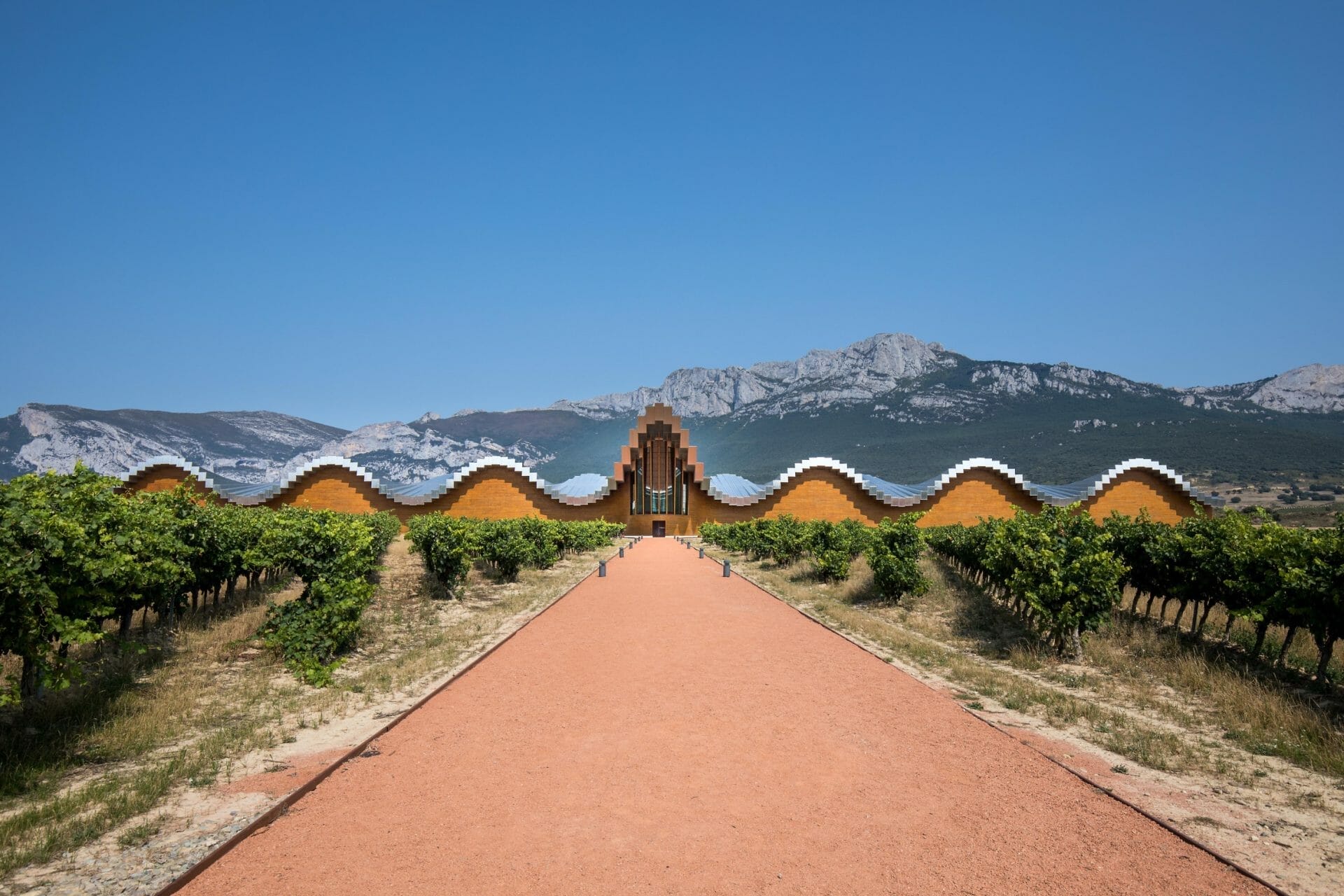
In Haro, Rioja Alta's wine town, the Barrio de la Estación gathers some of the region's best-known bodegas, among them R. López de Heredia, founded in 1877, CVNE, founded in 1879, and La Rioja Alta, founded in 1890. Where it suits your party, your licensed guide arranges a visit and tasting in one of the old cellars. In nearby Briones, a historic ensemble under state protection since 1973, the Vivanco Museum of Wine Culture, which King Juan Carlos I opened in 2004, traces wine through six rooms and 4,000 square meters. In the afternoon the architecture changes. At Elciego, the Marqués de Riscal winery, founded in 1858, brought Bordeaux cellar methods to Rioja with advice from Jean Pineau of Château Lanessan, and Frank Gehry's building of titanium ribbons in pink, gold and silver, the colors of the Riscal bottle, rises above the cellars. Outside Laguardia, Santiago Calatrava's Bodegas Ysios, completed in 2001, runs a wave-shaped roof of laminated wood and aluminum along the length of the winery. Logistics: a day in the Rioja wine country with your licensed guide and licensed driver, no hotel change.
Day Nineteen
To Barcelona and the Gothic Quarter
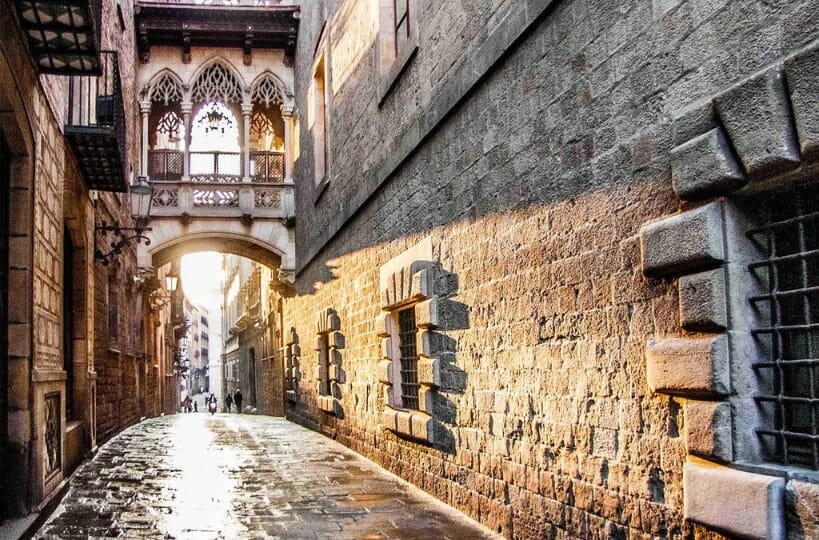
Your licensed driver takes you to Bilbao airport for a short direct flight east, and your licensed guide meets you in Barcelona for an afternoon in the Gothic Quarter. Stretches of the Roman wall stand among the medieval streets, and El Call, the medieval Jewish quarter, lies within the same few blocks. Much of what you see dates from a restoration timed for the International Exhibition of 1929, and the carved stone bridge over Carrer del Bisbe, which looks medieval, went up in 1928 to a design by Joan Rubió. Josep Oriol Mestres and August Font built the cathedral's Gothic-style façade between 1882 and 1913. In the evening a tapas dinner opens with pa amb tomàquet, country bread rubbed with fresh tomato and finished with olive oil and salt, the staple of the Catalan table. Logistics: Laguardia to Bilbao airport by road, about 1 hour 15 minutes, licensed driver, then Bilbao to Barcelona by direct flight, about 1 hour 15 minutes, and a licensed driver meets you at El Prat.

Day Twenty
Gaudí: The Sagrada Família, Park Güell and Casa Batlló
Construction of the Sagrada Família began on 19 March 1882, Gaudí took over as chief architect in 1883, and Pope Benedict XVI consecrated it as a basilica in 2010. With its central Tower of Jesus Christ at 172.5 meters, it now stands as the tallest church in the world. Gaudí lies in its crypt, and UNESCO lists the Nativity façade and the crypt among his seven World Heritage works. Your licensed guide leads the morning there. In the afternoon your licensed driver takes you up to Park Güell, on the southern slope of the Turó del Carmel, which Eusebi Güell commissioned as a residential estate and Gaudí built between 1900 and 1914. On the main terrace, a long curving bench shaped like a sea serpent, the work of Josep Maria Jujol, looks out over the city, and mosaics cover the park, among them the multicolored salamander known as El Drac. On the way back your driver follows Passeig de Gràcia past Casa Batlló, which Barcelonans call the House of Bones, whose tiled roof shifts from green to blue and pink like the scales of a dragon. Logistics: a full day in Barcelona with your licensed guide, and your licensed driver for the transfers between the Sagrada Família, Park Güell and Passeig de Gràcia.
Day Twenty One
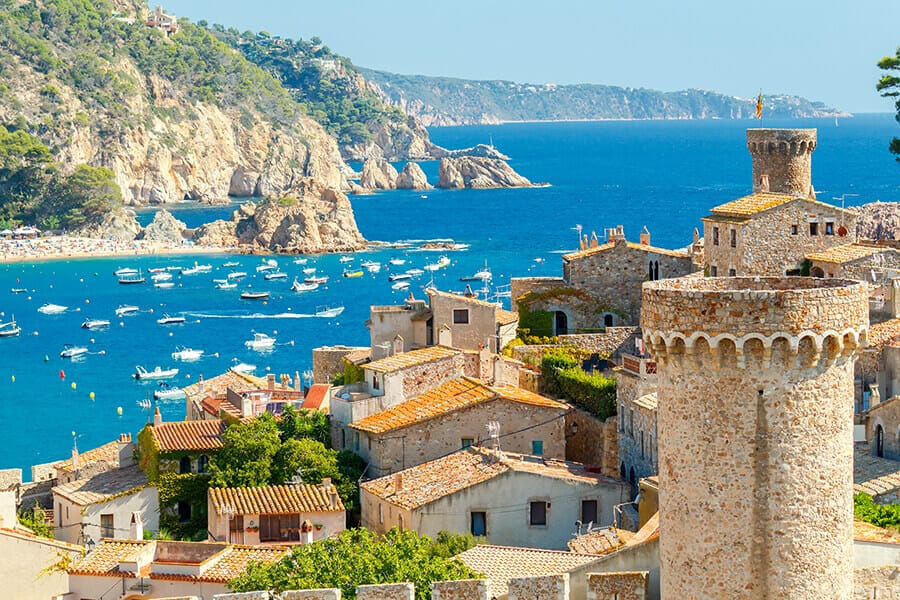
The Costa Brava: Pals, Peratallada and the Camí de Ronda
Ferran Agulló gave the Costa Brava its name in a newspaper article in September 1908, and the coast runs from Blanes, about 60 kilometers northeast of Barcelona, to the French border. Your licensed driver and a licensed guide head north into the Baix Empordà, where the coast meets medieval villages a few kilometers inland. In Peratallada most of the houses rise from stone quarried out of the moat, which still partly rings the village, and the walls still stand around a castle at its center. In Pals, on a hill a few kilometers from the sea, the Romanesque Torre de les Hores rises about 15 meters above the old streets. Where it suits your party, the afternoon brings a walk on the Camí de Ronda, the 19th-century cliff path the Carabineros patrolled against smugglers, a sail along the coves or a long seafood lunch by the water, with the smell of salt and pine in the air. Your driver returns you to Barcelona in the evening, and our team reserves a farewell dinner on request. Logistics: Barcelona to the Begur and Pals area by road, about 1 hour 40 minutes each way, licensed driver and licensed guide.

Day Twenty Two
Departure from Barcelona
The last morning stays free for a coffee on a terrace in the Eixample or a final walk along Passeig de Gràcia. Barcelona-El Prat airport lies about 15 kilometers southwest of the city center, and your licensed driver collects you from the hotel with time to spare for your flight home. VIP airport assistance, with meet-and-greet and help through the terminal, comes on request. Travelers who want more time often extend from Barcelona into Portugal or Morocco, and our team plans those extensions on the same private basis. Logistics: hotel to Barcelona-El Prat airport by road with your licensed driver, with VIP assistance by prior arrangement.
What is a good 3-week itinerary for Spain?
A good 3-week itinerary for Spain covers the center, the south, the north and Barcelona from nine bases, with at least two nights in each. This route spends days one to four in Madrid with Toledo and Segovia, days five to twelve in Andalusia across Seville, Ronda, Granada and Málaga, days thirteen to eighteen in the north across Bilbao, San Sebastián and the Rioja, and days nineteen to twenty-two in Barcelona with Gaudí and the Costa Brava. It flies into Madrid and home from Barcelona, uses one high-speed train and two domestic flights, and keeps road transfers between bases to about two hours, apart from the white villages day, where the stops are the point.
Is three weeks enough to see the north and south of Spain?
Three weeks covers both halves of Spain at an unhurried pace, without a single one-night stop. Two weeks fits Madrid, Andalusia and Barcelona well, as our 16-day private tour of Spain shows, and the third week buys the north: the Guggenheim, the pintxo bars of San Sebastián, the flysch cliffs of Zumaia and two days among the Rioja vineyards. Spain still holds more than one trip. This route leaves out Córdoba, Valencia, Galicia and the Picos de Europa, and our team swaps any of them in for a stop on this list. Our article on a private wine trip to northern Spain and the Rioja gives a sense of how the north feels at a slower pace.
How do you travel from Andalusia to the Basque Country?
The quickest way from Andalusia to the Basque Country is a direct flight, and on this route it links Málaga and Bilbao in about 1 hour 40 minutes, across about 750 kilometers. Your licensed driver takes you from your hotel in Málaga to the airport, and a second licensed driver meets you at Bilbao airport, about 9 kilometers north of the city, so the afternoon goes to the Guggenheim. Within each region the route moves by road with a licensed driver, and the single high-speed train, from Madrid to Seville, takes about 2 hours 30 minutes. Our article on Spain’s high-speed trains to Seville explains the rail options in more depth.
This 22-day route, or a shorter Spain journey or Spain and Portugal?
Choose this route if you want the best-known regions of mainland Spain in one trip, south and north, with two nights or more in every base. The 16-day private tour of Spain follows the same line from Madrid through Andalusia to Málaga and Barcelona, with Segovia and the Costa Brava, and leaves out the Basque Country and the Rioja. It suits travelers with about two weeks, or those who plan the north for a later trip. The 14-day Spain highlights journey keeps Madrid, Segovia, Toledo, Seville, Carmona, the white villages, Ronda, Granada and Barcelona with the Costa Brava, and leaves out Málaga as well as the north. The 12-day private luxury tour of Spain keeps the classic cities, Madrid, Toledo, Seville, Ronda, Granada and Barcelona, and suits a first visit in less time.
If the north is the priority and time is short, our 10-day Northern Spain food and wine tour spends its days in the Basque Country, the Rioja and Ribera del Duero. If you want Portugal as well, the 22-day Spain and Portugal private tour uses the same three weeks differently. It keeps Barcelona, Bilbao, the Rioja, Madrid, Toledo, Granada and Seville, adds Córdoba, Porto, the Douro Valley and Lisbon, and leaves out Segovia, Ronda, the white villages, Málaga, San Sebastián and the Costa Brava. Choose it if a second country matters more to you than the Basque coast. Every Spain route sits on the Spain destination page, and our team adjusts any of them to your dates.
Who this journey suits
Couples and friends with three weeks free who want the whole of mainland Spain in one journey, south and north, and prefer two nights or more in a place to a new hotel every day.
Food and wine travelers, since the route runs from Segovia’s cochinillo and Málaga’s fried fish to the pintxo bars of Bilbao and San Sebastián, txakoli in Getaria, a txoko dinner where available and two days among the Rioja vineyards.
Art and architecture travelers, from Velázquez, Goya and El Greco to the Alhambra, Picasso, Gehry’s Guggenheim, Calatrava’s Ysios and Gaudí.
Active travelers who want walking days in the mix, with the Caminito del Rey, the coastal path over Monte Ulia and the Camí de Ronda on the Costa Brava.
Returning visitors who saw Madrid, Seville or Barcelona on a first trip and now want the north. Families with teenage or adult children, who share the guide and the vehicle and set their own hours. Your guide is glad to advise on suitability before booking for anyone who prefers shorter walking days.
The people behind the route
Our team chooses guides as much for how they read a party as for what they know. In Granada, where your dates allow, Israel, one of our licensed guides, leads the Alhambra day. He times the Nasrid Palaces to your entry slot and takes the Alcazaba and the Generalife at the pace your party sets, with the stories of the Nasrid court in the rooms where they happened.
In Madrid, where your dates allow, Anna, an art historian, leads our Prado visits. She shapes the morning around the painters your party cares about, whether Velázquez and Goya, El Greco before the Toledo day, or Bosch in the Flemish rooms, and leaves time for the Royal Palace in the afternoon. Our guide to the highlights of the Prado gives a sense of the collection before you go.
What the 22-day journey costs and what it includes
The 22-day route starts from $24,484 per person, double occupancy. The from-price covers twenty-one nights in deluxe four-star properties selected for comfort, location and service. Five-star luxury properties are available by request. It includes licensed guides for the visits described, a licensed driver for airport and road transfers, and timed entry to the Alhambra’s Nasrid Palaces.
Four things move the price: the season, the hotel category, the size of your private party, and the experiences you add, such as a winery visit in the Serranía de Ronda, a txoko dinner in San Sebastián, a balloon flight over the Rioja or a sail on the Costa Brava. Magical Private Travel maintains excellent ratings on Trustpilot and Google’s independent review platforms.
To shape these three weeks around your dates and your party, speak with our team about your 22 days in Spain.
Frequently asked questions about 3 weeks in Spain
How much does a private 22-day tour of Spain cost?
This 22-day route starts from $24,484 per person, based on two people sharing a room. The from-price covers the route as written: twenty-one hotel nights, licensed guides for the visits described and a licensed driver for every road transfer, with the full list of inclusions set out in your written quote. Four things move the price. The season matters most, since hotel rates rise and fall through the year. Five-star hotels raise it. Party size changes it, because the guide and driver serve the whole party, so larger private parties pay less per person. Added experiences raise it, such as a Michelin-starred dinner in Bilbao, a txoko dinner in San Sebastián, a balloon flight over the Rioja vineyards or a sail on the Costa Brava. Our team sends a written quote for your dates and party before you commit.
When is the best time to spend 3 weeks in Spain?
April to June and September to October suit this route best, because it runs from the heat of Andalusia to the mild Atlantic coast. Spain’s weather agency, AEMET, records average daily highs in Seville of about 23°C (74°F) in April and 26°C (79°F) in October, and about 36°C (97°F) in July. In the north the numbers run lower. Bilbao averages about 18°C (64°F) in April and 21°C (71°F) in October, and Logroño, in the Rioja, about 18°C (64°F) and 20°C (68°F). Barcelona averages about 18°C (64°F) in April and 22°C (72°F) in October, so the last days of the route stay comfortable in both seasons. Summer departures work well with early starts in Seville and Granada and the cooler Basque coast in the second half of the trip. Winter brings shorter light and quieter hotels, and our team plans each day around the season you choose.
Why does the route fly from Málaga to Bilbao?
Málaga and Bilbao lie about 750 kilometers apart, at opposite ends of Spain, and a direct flight covers the distance in about 1 hour 40 minutes. By road the same journey crosses most of the peninsula and would cost a full touring day, so the flight gives you the afternoon at the Guggenheim instead. Your licensed driver takes you to Málaga’s airport, and a second licensed driver meets you at Bilbao airport, about 9 kilometers north of the city. The flight also explains the order of the route. Málaga follows Granada because the road reaches the coast in about 1 hour 30 minutes, and the jump north starts from the Andalusian airport with direct flights to Bilbao. A second direct flight, from Bilbao to Barcelona in about 1 hour 15 minutes, closes the northern loop. If you prefer rail, our team prices a train option as well, and the itinerary shifts to fit the longer journey.
Do we need to book the Alhambra in advance?
Yes, and our team handles it. Every Alhambra ticket with the Nasrid Palaces carries a fixed entry time for the palaces, and the Alhambra’s own ticket office asks visitors to arrive on time for the slot. Visitors who collect tickets at the monument do so at least one hour before their assigned time, and the palaces ask for the original passport or ID card along with the QR-code ticket. For these reasons our team books the timed entry as soon as you confirm your dates, and your licensed guide plans day ten around it, usually with the Alcazaba and the Generalife before or after the palaces. Where your dates allow, Israel, one of our licensed guides in Granada, leads the visit. Day nine, in the city and the Albaicín, gives you the view of the Alhambra from the Mirador de San Nicolás the evening before you walk inside it.
Are the guide and the driver the same person?
In Spain they are two different people. A licensed guide leads the visits, and a licensed driver handles the vehicle and the road transfers. Your licensed guide changes from city to city, so the guide who walks you through Toledo differs from the guide in Seville, San Sebastián or Barcelona, and each one knows a single city in depth. The driver stays with you on the road days, such as Segovia, the white villages, the Caminito del Rey, the Basque coast and the Rioja wine country, and meets you at the station or airport when you change regions. This split lets your guide focus on the site and your driver on the road. Where your dates allow, named specialists such as Israel in Granada and Anna at the Prado lead those visits.
What is the Caminito del Rey day like?
The Caminito del Rey is a linear walk through the Desfiladero de los Gaitanes, about 58 kilometers by road from Málaga. The route runs about 7.7 kilometers from the northern access near Ardales to El Chorro, including 2.9 kilometers of boardwalk and forest track, and Andalusia’s tourism board puts the walk at about 4 hours from north to south. The boardwalk runs almost 100 meters above the bottom of the gorge, between rock walls up to 300 meters high. Your licensed guide walks with you, and your licensed driver waits at the southern end. The path admits visitors aged eight and over, who bring an original ID on the day. Your guide is glad to advise on suitability before booking. If your party prefers a slower day after eleven days on the move, day twelve becomes a rest day in Málaga instead, with a spa, a cooking class or a long lunch by the sea.
How do we visit a gastronomic society in San Sebastián?
Through a member’s invitation, which your guide arranges where available. A txoko, or gastronomic society, is a private club of friends who share a kitchen and a dining room, and the first one formed in San Sebastián in 1870. Members buy their own ingredients and cook for themselves, their families and their guests, and a club’s constitution usually keeps politics off the table. A society holds up to about 80 members, and a visit depends on a member who opens the door for you. On day sixteen, where available, your guide arranges a dinner as a member’s guest after the coastal walk to Pasai Donibane. If no society fits your dates, our team reserves a table at a pintxo bar or a restaurant in the Parte Vieja instead, and your guide leads the evening.
Which airports should we fly into and out of?
Fly into Madrid-Barajas and home from Barcelona-El Prat. An open-jaw ticket of this kind avoids doubling back across Spain at the end of three weeks. Madrid-Barajas lies about 13 kilometers northeast of the Puerta del Sol, and your licensed driver meets you at arrivals on day one. On day twenty-two your driver takes you to Barcelona-El Prat, about 15 kilometers southwest of the city center. Our team arranges VIP airport assistance at both ends on request, covering meet-and-greet and help through the terminal. Our pages on arriving at Madrid-Barajas and on VIP airport service in Madrid and Barcelona explain how it works, and our team aligns the itinerary with your flight times once you book them. The route also runs in reverse, from Barcelona to Madrid, if your flights suit the reverse direction.
How flexible is the 22-day route?
The route works as a starting point, and your planner shapes it around your party. Common changes include swapping Ronda for Córdoba between Seville and Granada, trading the Caminito del Rey for a rest day in Málaga, or adding a night in San Sebastián for a longer food day. In the Rioja the options run from family-owned wineries to an e-bike ride through the vineyards, an easy hike or a hot-air balloon flight. Travelers short on time often drop the two Málaga nights, which brings the route to 20 days. Our article on choosing Córdoba or Ronda between Granada and Seville sets out the first of those choices. Our team confirms timings, ticketed entries and hotel nights once you settle the shape of the trip.
Does this journey suit families or travelers with limited mobility?
Families travel this route often, because a private guide and driver set the pace around the youngest and the oldest in the party. Teenagers tend to respond to the Alhambra, the flamenco evening, the Caminito del Rey, the steel sculptures in the Guggenheim and the Gaudí buildings, and the two-night bases leave room for a pool afternoon or a swim off La Concha. Several days involve walking on cobbled streets and slopes, especially in Toledo, Segovia, the Albaicín, old Ronda and Laguardia, and the Alhambra visit runs on foot across a large hillside site. Your guide is glad to advise on suitability before booking, and our team adjusts walking routes, adds vehicle time between sites, or shortens days where it helps. Our page on accessible travel in Spain sets out how our team plans for travelers who need step-free routes or extra support.
We keep a list of vetted four- and five-star hotels, well located and enjoyed by our past travelers and by our own team.
Examples for each overnight stop on this route. Choose a deluxe boutique hotel or a five-star stay, and your travel advisor matches each night to your wishes, the season and availability.
Madrid
Boutique: Tótem Madrid. A restored 19th-century building on Calle Hermosilla, steps from Serrano’s shops in the Salamanca district.
Five-star: Rosewood Villa Magna. Reopened by Rosewood in 2021 on the Paseo de la Castellana, with a leafy front garden.
Seville
Boutique: Hotel Casa 1800 Sevilla. A 19th-century mansion with a patio and a rooftop pool facing the cathedral and Giralda.
Five-star: Hotel Alfonso XIII. Built for the 1929 Ibero-American Exposition, a neo-Mudéjar palace of tiles and arches near the Alcázar.
Ronda
Boutique: Hotel Montelirio. A stately old house on the edge of the Tajo gorge, close to the Puente Nuevo.
Also consider: Parador de Ronda. The old town hall and market building on the edge of El Tajo, beside the Puente Nuevo.
Granada
Boutique: Parador de Granada. A 15th-century Franciscan convent inside the Alhambra precinct, with gardens facing the Generalife.
Five-star: Hospes Palacio de los Patos. A 19th-century palace beside a contemporary wing, linked by gardens, with a spa below.
Costa del Sol
Boutique: Palacio Solecio (Málaga). An 18th-century palace on Calle Granada in Málaga’s old town, near the Picasso Museum.
Five-star: Finca Cortesín. A whitewashed resort near Casares with its own championship golf course and beach club.
Bilbao
Boutique: Hotel Miró. Fashion designer Antonio Miró’s hotel on Alameda Mazarredo, across from the Guggenheim.
Five-star: The Artist Grand Hotel of Art. Directly opposite the Guggenheim, with Javier Mariscal interiors and a large art-filled atrium.
San Sebastián
Boutique: Hotel Villa Soro. A protected 19th-century villa with a garden and old brick stables, five minutes from Zurriola beach.
Five-star: Hotel María Cristina. The 1912 Belle Époque landmark on the Urumea river, where film-festival stars stay each September.
La Rioja
Boutique: Hotel Viura. Stacked concrete cubes beside the village church in Villabuena de Álava, with a rooftop terrace.
Five-star: Hotel Marqués de Riscal. Frank Gehry’s titanium ribbons over the Marqués de Riscal winery in Elciego.
Barcelona
Boutique: H10 Casa Mimosa. A listed 19th-century Modernista building on Pau Claris, on the same block as Gaudí’s La Pedrera.
Five-star: Mandarin Oriental Barcelona. A former bank on Passeig de Gràcia turned into a calm, pale-toned hotel with a rooftop pool.
What's Included
A Very Personalized Itinerary, Just For You and Your Schedule
Hand-Picked Ultra-Luxury & Boutique Hotel Options
Insider Experiences + Inspiring Sightseeing + Magical Upgrades
Private Touring with Your Own Personal Expert Guide
Private Airport & Train Station Luxury Transfers
Full Breakfasts + Food & Wine Tasting Options
Your Choice of Activities on “Design Your Days”®
Expert Advice, Restaurant Ideas & Reservations
24/7 Support & Concierge Service from Spain, Portugal & Morocco
Magical is an award-winning luxury travel agency
Private journeys with soul & stories
Excellent independent reviews
Only five journeys per country, per week
Hidden gems, insider fun & vetted hotels
Your private guide, deluxe vehicle & flexible pace
24/7 concierge-style support
We handle everything — you live the dream
American Precision, Local Soul
Our Unforgettable Trips Are Tailored Just For You
Hi from Spain & Portugal,
Along with our local partners across Portugal, Spain, Morocco and beyond we believe that our clients deserve the truly tailor-made private luxury trips, not generic "one-size-fits-all" plans.
Get inspired with our sample trips then get in touch about an expert-made personalized custom luxury itinerary, just for you.
Kind regards,
Dan O'Beirne & the MPT team
Request a Quote