







Plan two or three nights in Seville, ideally from late March to early June or in October and November. With a licensed guide, you see the Real Alcázar, the cathedral and Triana at an easy pace, then eat and shop the way Sevillanos do, from convent sweets to hand-carved Jabugo ham. Granada is under three hours away by road. Private Seville journeys start from $884 per person per day, based on double occupancy, excluding flights.
At a glance. Ideal stay: two or three nights · Best months: late March to early June, October and November · Nearest airport: Seville (SVQ), about 25 minutes from the old town, or Madrid by high-speed train · From $884 per person per day, double occupancy, excl. flights
Seville runs on its own clock. Breakfast happens twice, the second time standing at a bar over a toasted mollete with olive oil and tomato. Lunch starts at two, dinner closer to ten. Behind convent walls you would walk straight past, cloistered nuns still bake the sweets their orders are known for and sell them to anyone who knows where to ring. The city rewards people who know those doors, and knowing them is our work.
What does a licensed guide show you in Seville?
Your licensed guide shapes each day around what you love, with timed entries reserved before you arrive and the big sights visited at the quiet hours.
The Real Alcázar and its royal oranges
The Alcázar is a palace still in use. Its upper floors serve the Spanish royal family when they stay in Seville, and the Cuarto Real Alto, the upper royal apartments, is seen on a separate small guided visit we reserve on request. Down in the gardens, the orange trees keep a royal habit of their own. Since the 1906 wedding of Alfonso XIII to a granddaughter of Queen Victoria, fruit from the palace has gone to the British royal family for marmalade. Fans of Game of Thrones will know these gardens as the Water Gardens of Dorne.
The cathedral, the Giralda and a merchants’ quarrel
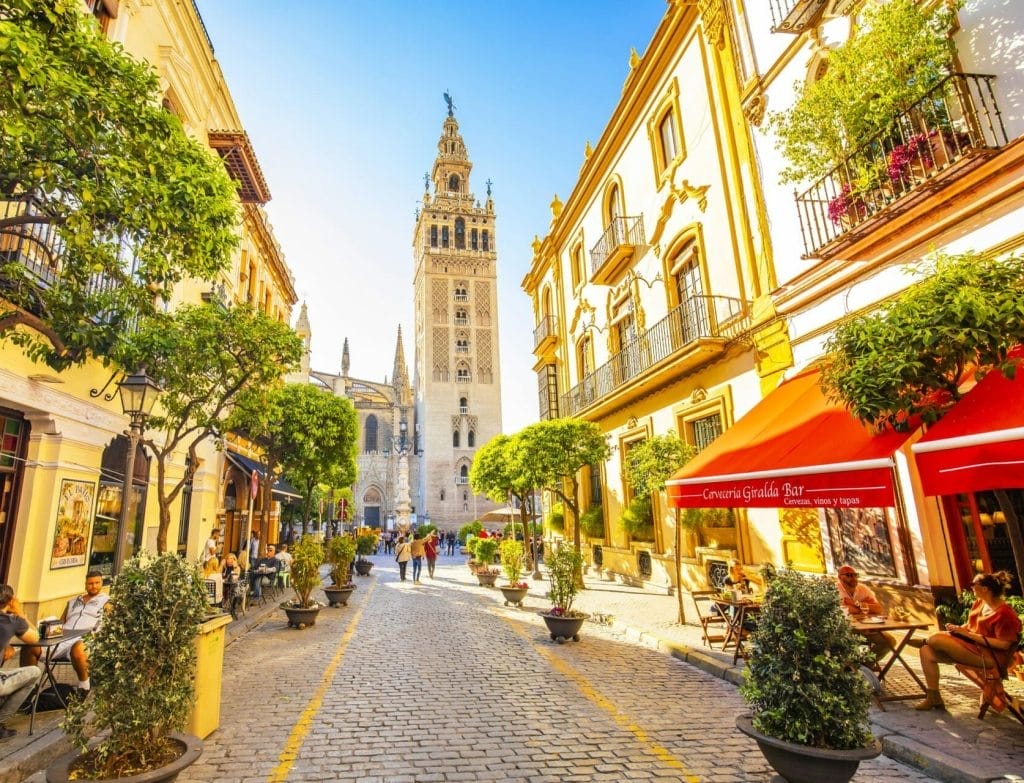
Seville’s cathedral is the largest Gothic cathedral in the world, and Columbus’s tomb stands inside. You climb the Giralda, its bell tower and once the minaret of the great mosque, by some 35 ramps rather than stairs, built wide enough for a rider on horseback. Next door, the Archive of the Indies holds about 80 million pages on Spain’s empire in the Americas. The building began as a merchants’ exchange, because the city’s traders had been striking deals on the cathedral steps.
Palaces still in the family
Seville’s noble houses never emptied. Casa de Pilatos, begun in 1483, still belongs to the Medinaceli ducal foundation, and its name comes from a pilgrimage. Back from Jerusalem, the Marquis of Tarifa laid out a Way of the Cross from his palace to the Cruz del Campo, 1,321 paces, the distance tradition places between Pilate’s house and Calvary. A brewery built near that cross in 1904 borrowed its name, which is why Seville drinks Cruzcampo. Inside, sixteenth-century tiles line the patios, Roman busts brought from Itálica stand above them, and Ridley Scott filmed Kingdom of Heaven in the courtyards.

Where are the best convent sweets in Seville?
The most prized come from three convents: San Leandro for yemas, Madre de Dios for magdalenas and Santa Paula for jams and quince paste. Seville’s cloistered nuns sell their baking through a torno, a revolving wooden turntable set into the convent wall. You ring, greet the sister with “Ave María Purísima,” set your coins on the wheel, and a box of sweets turns back to you. You never see her face.
San Leandro’s yemas are small cones of egg yolk and sugar, and Madre de Dios sits in the old Jewish quarter. Each community keeps its own hours and pauses for prayer, so your guide knows which turntables are turning and which sweets are worth the walk. We can direct you to the best ones.
How do Sevillanos eat?
Standing up, mostly. The tapeo moves from bar to bar, one or two small plates at each, and nobody sits down until dinner. At El Rinconcillo, open since 1670, staff still chalk your tab on the mahogany counter.
In Seville, the ham is carved to order. Ask for jamón ibérico de bellota from Jabugo, in the Sierra de Aracena, where the pigs fatten on acorns under the oaks, and at the better bars a cortador slices it by hand at the counter. Then order espinacas con garbanzos, spinach stewed with chickpeas and cumin, a montadito de pringá, a small roll filled with the slow-cooked meats of the puchero, and solomillo al whisky, pork loin in a garlic, lemon and whisky sauce found on nearly every bar menu in the city. Gordal olives, the giant hand-picked olives of the province, arrive with almost everything. A glass of cold manzanilla from Sanlúcar suits all of it, or a vermouth if you prefer.
On request, a local chef leads you through the Mercado de Triana in the morning, where the stall names are painted on tiles, and cooks lunch with what you choose.

What makes Triana different?
Triana is Seville’s quarter of potters, sailors and flamenco families, just across the river from the old city. Cross the Puente de Triana and the city changes accent. Magellan’s fleet set out from Seville’s river port in 1519. Three years later the Victoria came back up the Guadalquivir with 18 of some 240 men, the first crew to sail around the world. Seville is still the only inland maritime port in Spain.
The Centro Cerámica Triana fills the old Santa Ana tile factory, kilns and all, and the Santa Ana shop with its tiled façade still trades next door. In the evening, our flamenco contacts can bring you into private performances in Seville courtyards that never appear in guidebooks.
For a hand-embroidered silk shawl or a painted fan, your guide takes you to the family houses on and around Calle Sierpes. Juan Foronda has embroidered mantones de Manila in Seville for a century.
What are the best hotels in Seville?
Two of the finest are the Hotel Alfonso XIII and the Palacio de Villapanes, both on our list of vetted luxury five-star and deluxe four-star boutique hotels. Stay within walking distance of the cathedral and you can step out early, before the day visitors arrive. The Hotel Alfonso XIII opened in 1928 to host royalty for the Ibero-American Exposition, and it remains a palace of horseshoe arches, painted tiles and shaded courtyards beside the Alcázar. The Palacio de Villapanes is a quiet boutique five-star palace with a devoted following among honeymooners. For a four-star boutique stay, H10 Casa de la Plata sits in the old center a short walk from the cathedral, with a rooftop bar and plunge pool over the old town.
How many days should you spend in Seville?
Two or three days. Two covers the Alcázar, the cathedral and an evening in Triana at an unhurried pace. A third adds a palace morning, the convent sweets and a chef-led market visit. Many of our American travelers stay four nights and keep one hotel, using Seville as a base for the Sierra de Aracena, Roman Itálica or the sherry town of Jerez.
When is the best time to visit Seville?
Late March to early June and October to November bring the most comfortable days. April averages a high of about 74°F and October about 79°F, and in spring the whole city smells of orange blossom. July and August average highs near 97°F, so summer days start early, pause through the afternoon and end with a late dinner outdoors. November is a lovely month, mild before winter arrives. January, February and early March offer the best value, with ripe bitter oranges hanging from the street trees.
Hotels, like airlines, use dynamic pricing, so rates rise with demand in the busiest weeks. A higher price marks a popular week, not a poor time to travel.

What are the best day trips from Seville?
The Sierra de Aracena lies about an hour and a quarter by road, hill country of cork oak and chestnut woods where acorn-fed Iberian pigs give Jabugo ham its name. We know the light hiking trails between whitewashed villages such as Alájar and Linares de la Sierra, and a visit to a ham-curing cellar in Jabugo can follow on request.
Closer in, Itálica at Santiponce, on the edge of Seville, claims both Trajan and Hadrian as its own. Santiago Posteguillo, the Spanish novelist and university professor behind a trilogy on Trajan, has said that had Trajan been born in London instead of Itálica, there would be far more films about him. Walk the amphitheater, which once held some 25,000 spectators and played the Dragonpit in Game of Thrones. The town’s houses keep their mosaic floors. In the House of the Birds, dozens of species each fill their own square panel, and the House of the Planetarium shows the seven gods who gave the days of the week their names. Carmona, a hilltop town east of the city, keeps a Roman necropolis. Córdoba and its Mezquita make an easy day by high-speed train, or Jerez offers sherry bodegas and the Andalusian horses of its royal riding school.
How does Seville fit a journey through Spain and Portugal?
Seville sits at the center of most private Andalusia routes. Granada is under three hours away by road, and your licensed driver can stop in Córdoba or the white villages on the way. High-speed trains link Seville with Madrid in about two and a half to three hours, with a driver transfer at each end. Lisbon is about four and a half hours by road, which makes Seville a natural bridge to Portugal on one private journey.
Private Seville Journeys
Spain
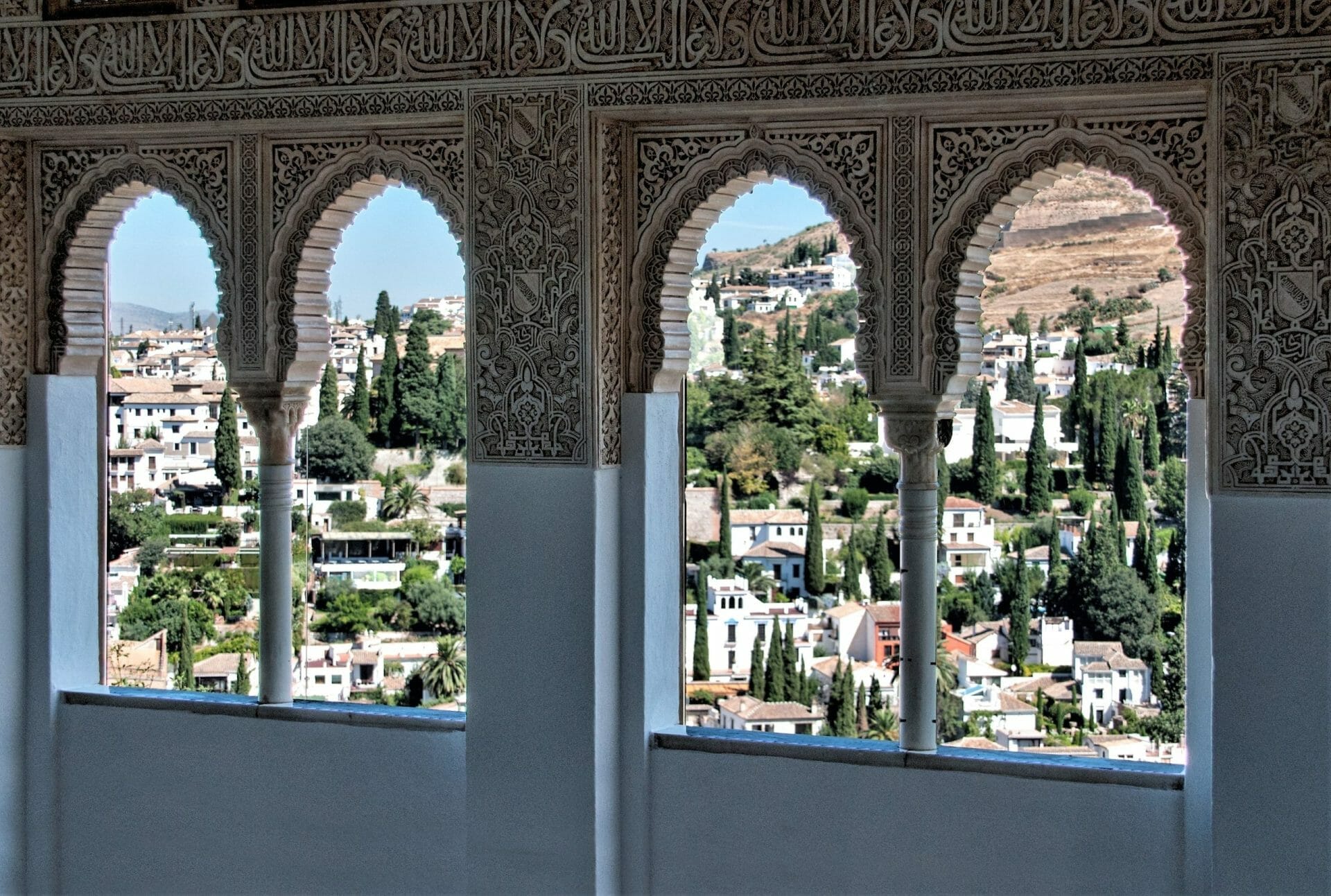
7-Day Andalusia Private Tour of Cities and Sierras: Seville, Córdoba, Granada and the Alpujarras
Seville’s noble houses, the Mezquita, the Alhambra and two mountain days. 7 days from $6,188 pp.
Spain
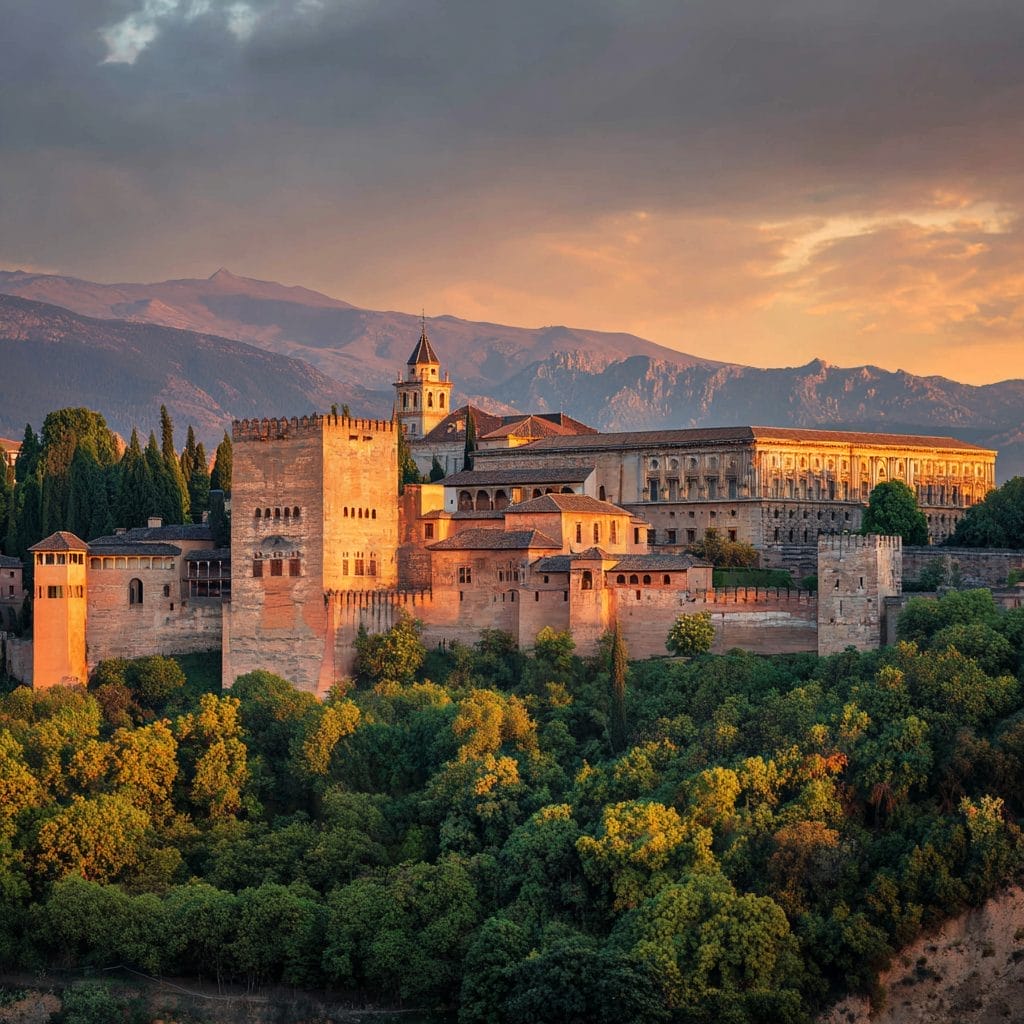
Highlights of Spain: 10-Day Private Tour of Madrid, Andalusia and Barcelona
Madrid, Toledo, Seville, the Alhambra and Gaudí’s Barcelona on a first visit. 10 days from $10,484 pp.
Multi-Country
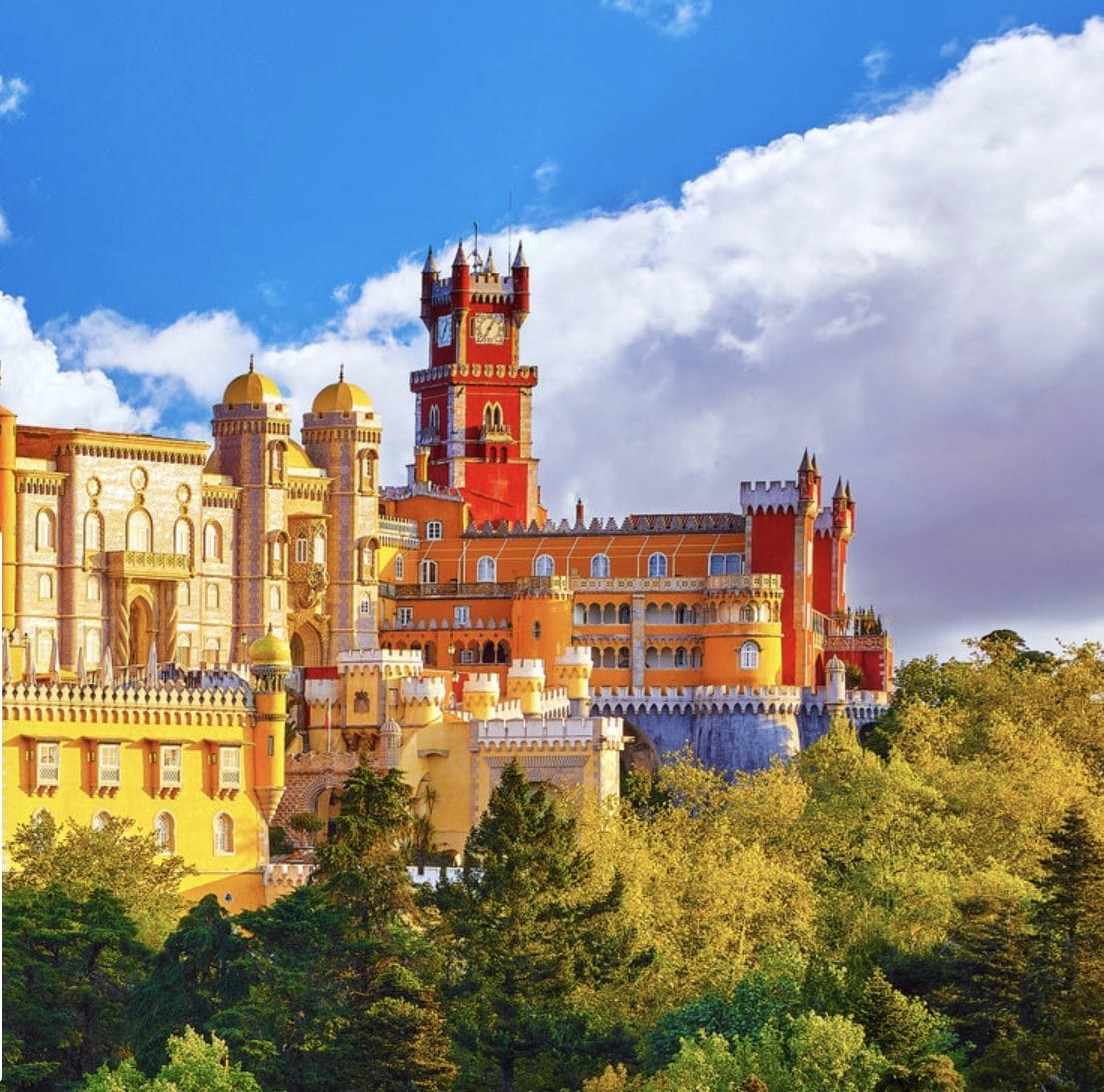
Barcelona to Lisbon Private Tour: 14 Days by Rail and Road Through Spain and Portugal
Barcelona to Lisbon by train and road via Madrid, the Alhambra, Seville and the Algarve. 14 days from $14,892 pp.
Swipe to see all three journeys
How do you want Seville to feel?
Our sample trips are a starting point. Tell us your dates and what you love. Your first itinerary carries no planning fee and no obligation, and you’ll hear back within one business day.
Start planningWhat do our travelers say about Andalusia?
Frequently asked questions about private Seville tours
What are the top attractions in Seville?
The Real Alcázar, the cathedral and Giralda, the Plaza de España and the Triana quarter lead most lists, with Casa de Pilatos close behind. With a licensed guide, you see them at the quiet hours, with entries reserved before you arrive.
What are the best off-the-beaten-path experiences in Seville?
Buying sweets from cloistered nuns through a convent turntable, a private flamenco performance in a Seville courtyard and a chef-led morning at the Mercado de Triana. Beyond the city, Itálica’s mosaic floors and the trails of the Sierra de Aracena feel a world away from the crowds.
What do most people not know about Seville?
Oranges from the Alcázar gardens go to the British royal family for marmalade. Cruzcampo, the city’s beer, takes its name from the cross at the end of a pilgrim route that starts at Casa de Pilatos. And you climb the Giralda by ramps, not stairs.
Why take a private tour of Seville?
Seville rewards local knowledge. Our licensed guides and local contacts open doors a visitor would walk past, from the Alcázar’s upper royal apartments to a private flamenco evening, and your licensed driver handles every transfer.
Can a private Seville tour include Granada or Portugal?
Yes. Every journey is tailor-made, so Seville pairs easily with Granada and Córdoba, or with Lisbon on one private journey through Spain and Portugal.
Plan your private Seville journey
Our sample journeys are a starting point. The 7-Day Andalusia Private Tour of Cities and Sierras pairs Seville with Córdoba, Granada and the Alpujarras from $6,188 per person. Southern Spain in 7 Days travels by road from Seville through Córdoba to Granada from $6,188. The 12-Day Private Luxury Tour of Spain adds Madrid, Toledo and Barcelona from $10,608. Each is tailor-made, so your planner shapes the route, the hotels and the pace around you.
Since 2002, nearly 17,000 travelers have journeyed with us. Your journey is planned by our Spain team, led by founder Dan O’Beirne, an American in Europe since 1998, and Magical Private Travel maintains excellent ratings on Trustpilot and Google’s independent review platforms. Planned from Europe. American precision with local expertise.
More answers on our FAQ page. Explore more of private Spain journeys.
Ready when you are. Your first itinerary carries no planning fee and no obligation.
Start planning