







Plan three nights in Madrid, or four with a day in Toledo or Segovia, ideally from April to June or from late September to November. Your licensed guide takes you through the Prado, the Royal Palace and the old Madrid of the Habsburgs, then into the taverns of La Latina and Las Letras. Private Madrid journeys start from $884 per person per day, based on double occupancy, excluding flights.
At a glance. Ideal stay: three nights, or four with a day trip · Best months: April to June, late September to November · Nearest airport: Madrid Barajas (MAD), about 25 minutes from the center · From $884 per person per day, double occupancy, excl. flights
Madrileños eat cocido in three courses from one pot. The broth comes first, with fine noodles, then the chickpeas, cabbage and potatoes, then the meats. It is a midday dish, served at the classic taverns at lunch, and on a cold day the table lingers over it until late afternoon. Madrid runs on that rhythm: a late lunch, a later dinner and a city still out walking at midnight. Knowing where to sit down for each is our work.
What does a licensed guide show you in Madrid?
Your licensed guide shapes each day around what you love, with timed entries reserved before you arrive and the great rooms visited at the quiet hours.
The Prado in its first quiet hour
The Prado holds the deepest collection of Velázquez and Goya anywhere. Las Meninas survived the fire that destroyed the old royal Alcázar in 1734, and it anchors the great Velázquez hall. Goya’s Black Paintings were painted on the walls of his country house and later moved to canvas. Your guide times the visit for the quieter first hour and builds the route around the painters you care about, from El Greco to Rubens. The Prado, the Retiro gardens and the Paseo del Prado together form a UNESCO World Heritage site.
The Royal Palace, still in use
The Royal Palace has some 3,400 rooms, and it remains the official residence of the Spanish king, used for state ceremonies, while the royal family lives at the Zarzuela Palace on the city’s outskirts. Inside, the Throne Room keeps its Tiepolo ceiling, and the royal collection holds a set of decorated Stradivarius instruments. Beside the palace, below the Almudena Cathedral, the remains of the wall of Majriṭ, the Muslim fortress Madrid grew from, recall that the capital began as a ninth-century outpost of Córdoba.
The Madrid of writers
In Las Letras, the old literary quarter, Cervantes is buried in the convent of the Trinitarias, where the nuns still live. His remains were located there only in 2015. Lope de Vega’s house stands a few streets away, furnished from the inventory he left, with the small garden he wrote about.
Where do Madrileños eat and drink?
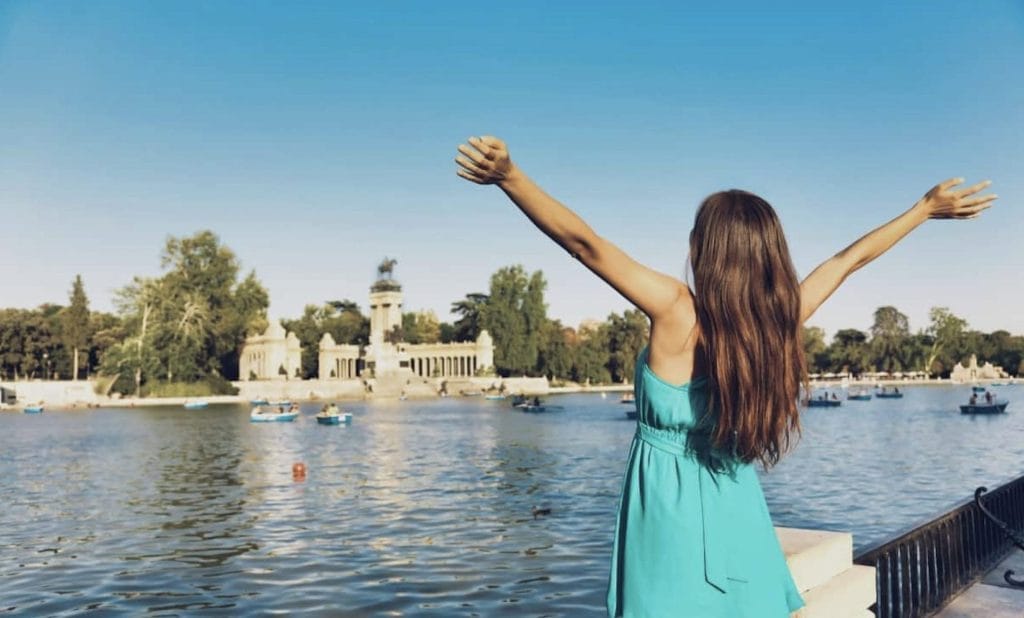
At the counter first, then at the table. On Sunday the city takes its vermouth before lunch, poured from the tap with an olive and a slice of orange, in the bars around La Latina. Lhardy, open since 1839, keeps a silver urn of consommé by the door for regulars who stop in on a cold day.
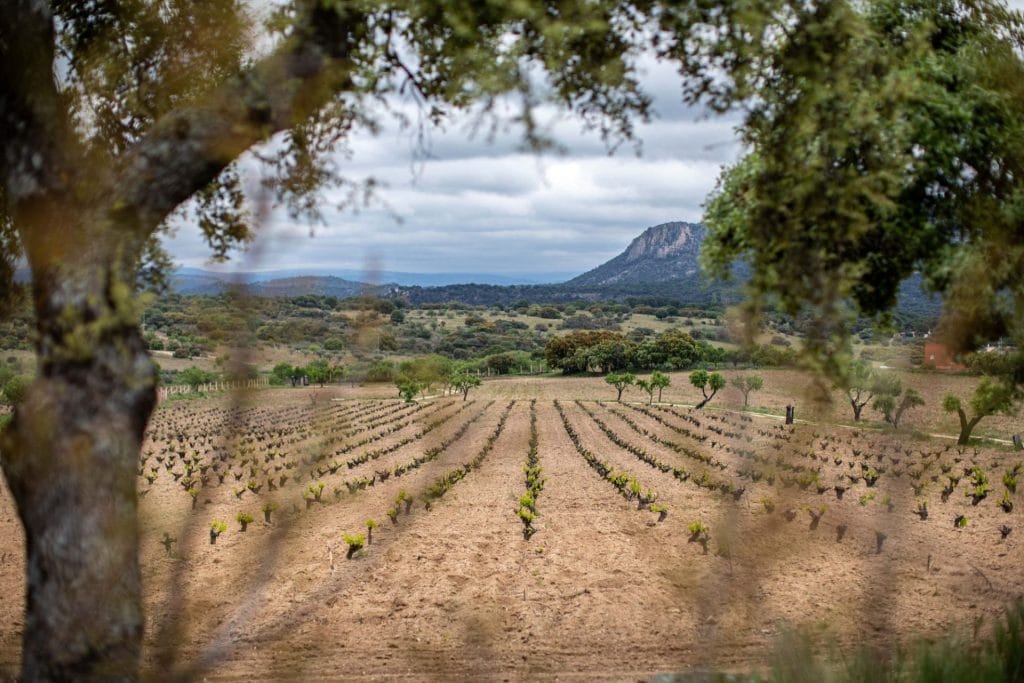
Sobrino de Botín, which claims to be the oldest restaurant in the world, still roasts suckling pig and lamb in its wood oven, and for adventurous eaters, callos a la madrileña, a slow tripe stew with chorizo, is the city’s other winter classic. Madrid also has its own wine region. In the Sierra de Gredos to the west, old garnacha vines grow on granite, and a few of Spain’s most admired small producers work there.
Behind a plain door near the Plaza Mayor, the cloistered nuns of the Corpus Christi convent, known as Las Carboneras, sell their almond biscuits through a revolving turntable in the wall. We can direct you to the best ones. On request, a local chef leads you through a neighborhood market in the morning and cooks lunch with what you choose.
What are the best hotels in Madrid?
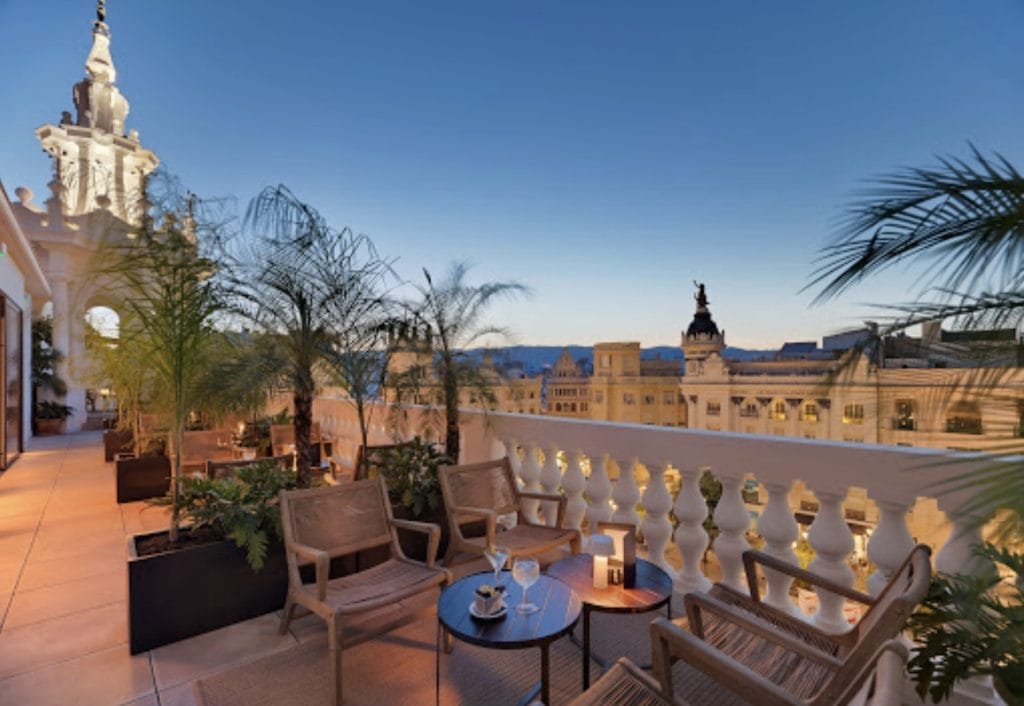
Two of the finest are the Mandarin Oriental Ritz and the Four Seasons Madrid, both on our list of vetted luxury five-star and deluxe four-star boutique hotels. The Mandarin Oriental Ritz opened in 1910 with King Alfonso XIII at the ceremony, and a full restoration has returned its gilded rooms to their first elegance, a short walk from the Prado. The Four Seasons Madrid fills a group of historic bank buildings off the Puerta del Sol, with a rooftop restaurant and a spa. Your planner matches the neighborhood to your pace, from the boutiques of Salamanca to the quiet streets of Chamberí.
How many days should you spend in Madrid?
Three days. One for the Prado and the Retiro, one for the Royal Palace and the old Habsburg quarter, and one for the markets, Las Letras and lunch at a classic tavern. Add a fourth day for Toledo or Segovia and keep the same hotel, since both sit about half an hour away by high-speed train.

When is the best time to visit Madrid?
April to June and late September to November bring warm days and cool evenings. Madrid sits at about 2,200 feet, one of the highest capitals in Europe, so the air is dry and the light is sharp. July and August average highs near 90°F, and the city empties in August as Madrileños leave for the coast. December brings lights along the Gran Vía and the Christmas market in the Plaza Mayor. Hotels, like airlines, use dynamic pricing, so rates rise with demand. A higher price marks a popular week, not a poor time to travel.
Where can you hike near Madrid?
The Sierra de Guadarrama National Park rises about an hour north of the city, granite peaks and pine forest that reach nearly 8,000 feet at Peñalara. We know the light hiking trails with the finest views, from the glacial lakes below Peñalara to the old royal pine forests above La Granja. Closer in, the Casa de Campo, the former royal hunting estate on the city’s western edge, covers about five times the area of Central Park.
What are the best day trips from Madrid?
Toledo, about half an hour by high-speed train, holds the cathedral sacristy’s El Grecos and convent marzipan. Segovia brings its Roman aqueduct and roast suckling pig. Ávila keeps its medieval walls, with nearly 90 towers, and El Escorial, the monastery palace of Philip II, sits in the Guadarrama foothills. Your licensed driver handles each day, so you return to the same hotel each night.
How does Madrid fit a journey through Spain?
Madrid sits at the center of Spain’s high-speed rail network. Trains reach Seville and Barcelona in about two and a half to three hours, and Granada in just over three hours, with a driver transfer at each end. Most of our private journeys through Spain begin or end here, and Lisbon is a short flight away for travelers pairing Spain and Portugal on one private journey.
Private Madrid Journeys

Spain
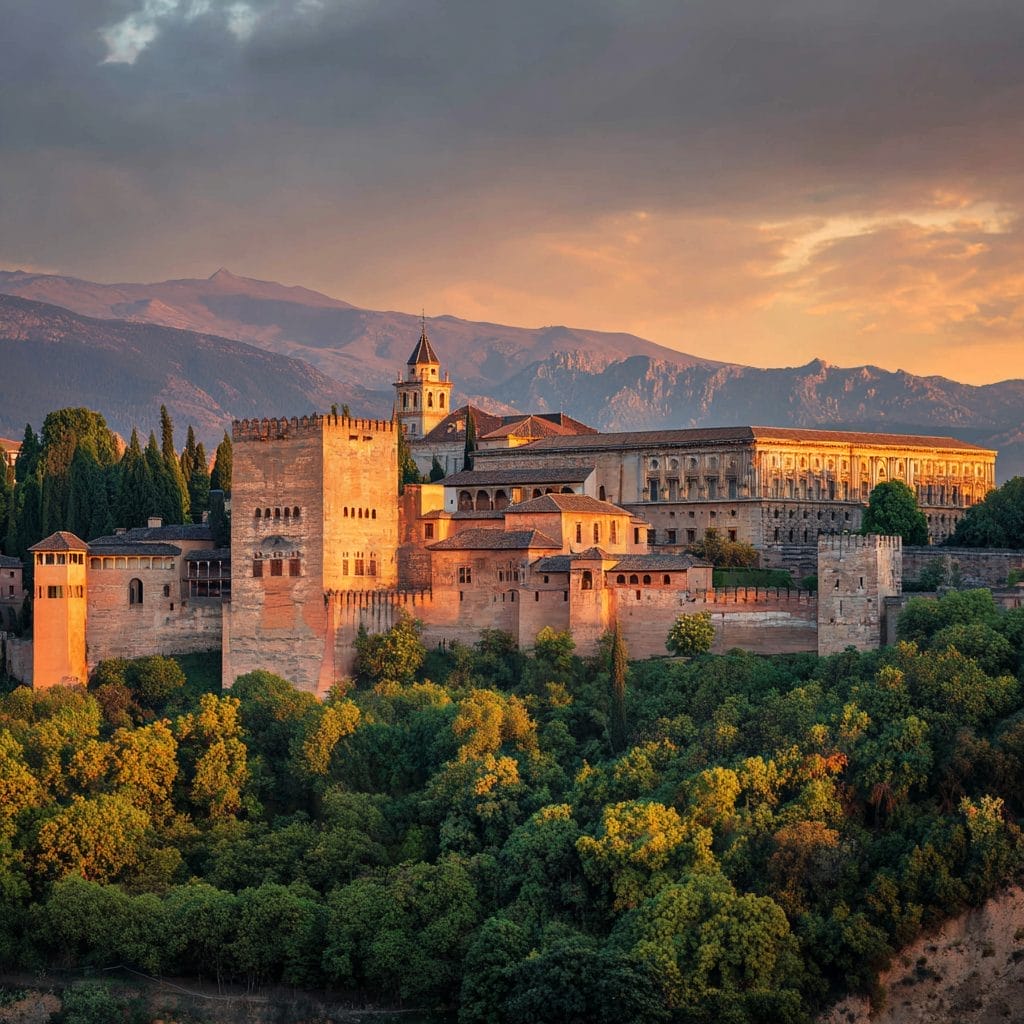
7-Day Private Spain Tour from Madrid: The Prado, the Alhambra and Seville’s Palaces
The Prado, the Alhambra’s Nasrid Palaces and Seville’s Alcázar by high-speed train. 7 days from $6,188 pp.
Spain
Highlights of Spain: 10-Day Private Tour of Madrid, Andalusia and Barcelona
Madrid, Toledo, Seville, the Alhambra and Gaudí’s Barcelona on a first visit. 10 days from $10,484 pp.

Spain
7-Day Private Spain Tour: Madrid, Segovia and Barcelona
Madrid, the Prado, Segovia’s aqueduct, the Gothic Quarter and Gaudí’s Barcelona. 7 days from $6,188 pp.
Swipe to see all three journeys
How do you want Madrid to feel?
Our sample trips are a starting point. Tell us your dates and what you love. Your first itinerary carries no planning fee and no obligation, and you’ll hear back within one business day.
Start planningWhat do our travelers say about Spain?
Frequently asked questions about private Madrid tours
What are the top attractions in Madrid?
The Prado, the Royal Palace, the Retiro gardens, the Reina Sofía with Picasso’s Guernica and the Thyssen-Bornemisza lead most lists, with the Plaza Mayor and the old Habsburg quarter close behind. A licensed guide links them at an easy pace, with entries reserved before you arrive.
What are the best off-the-beaten-path experiences in Madrid?
Buying almond biscuits from cloistered nuns through a convent turntable, consommé from Lhardy’s silver urn, Sunday vermouth in La Latina and a day of light hiking in the Sierra de Guadarrama. In the Sierra de Gredos, a visit to a small garnacha producer shows a side of Madrid few travelers see.
What do most people not know about Madrid?
Madrid began as Majriṭ, a Muslim fortress built under the emirs of Córdoba. Cervantes is buried in a convent where nuns still live. And Las Meninas survived the fire that destroyed the royal palace before the current one.
Why take a private tour of Madrid?
Madrid’s great museums reward a guide who knows the collections, and its best tables reward someone who knows the city. Our licensed guides and local contacts shape each day around your interests, and your licensed driver handles every transfer and day trip.
Can a private Madrid tour include Toledo, Seville or Barcelona?
Yes. Every journey is tailor-made, so Madrid pairs easily with Toledo and Segovia as day trips, and with Seville, Granada or Barcelona by high-speed train.
Plan your private Madrid journey
Our sample journeys are a starting point. The 7-Day Private Spain Tour from Madrid links the Prado, the Alhambra and Seville’s palaces from $6,188 per person. The 7-Day Private Spain Tour: Madrid, Segovia and Barcelona adds Segovia’s aqueduct and Gaudí’s Barcelona from $6,188. Highlights of Spain in 10 Days runs from Madrid through Andalusia to Barcelona from $10,484. Each is tailor-made, so your planner shapes the route, the hotels and the pace around you.
Since 2002, nearly 17,000 travelers have journeyed with us. Your journey is planned by our Spain team, led by founder Dan O’Beirne, an American in Europe since 1998, and Magical Private Travel maintains excellent ratings on Trustpilot and Google’s independent review platforms. Planned from Europe. American precision with local expertise.
More answers on our FAQ page. Explore more of private Spain journeys.
Ready when you are. Your first itinerary carries no planning fee and no obligation.
Start planning